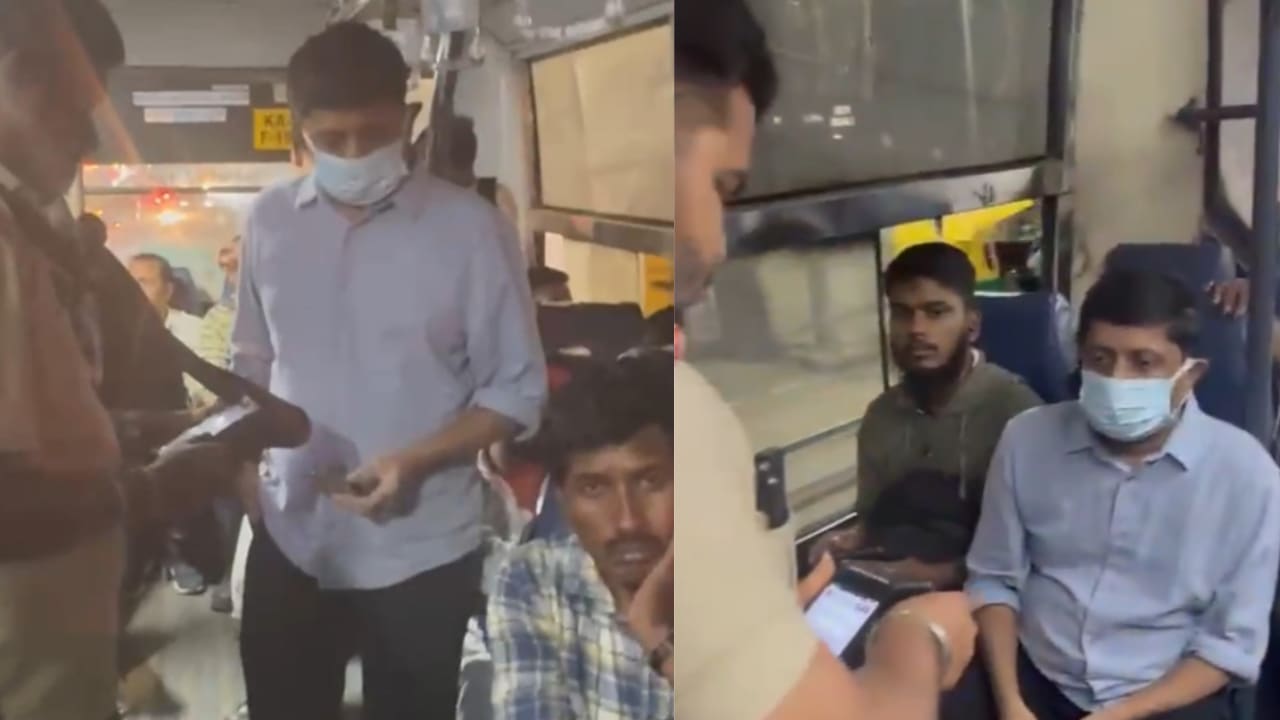
No change: Conductor tells Karnataka transport minister to get off bus
Source Entity
TNN
Intelligence Synthesis
AI-Generated Core Insights
Karnataka Transport Minister Byrathi Suresh faced unexpected challenges during a surprise incognito inspection of city transport, including a bus conductor demanding exact change and an auto-rickshaw driver charging inflated fares.
A Reality Check on the Streets: Minister Byrathi Suresh’s Surprise Inspection
In a move designed to bridge the gap between policy and practice, Karnataka Transport Minister Byrathi Suresh recently conducted a surprise, incognito inspection of the state's urban transport systems. Rather than receiving a curated tour of departmental successes, the Minister was met with the raw, unvarnished reality of daily commuting. This "undercover" approach is intended to bypass the polished reports typically provided to officials, allowing for a direct assessment of how public services function at the ground level.
The "Exact Change" Dilemma: Friction in Public Transit
The most striking moment of the inspection occurred aboard a city bus, where the Minister encountered a situation that millions of commuters face daily. When unable to provide the exact change required for a fare, the Minister was told by a conductor to exit the vehicle. While this might appear to be a minor dispute over coins, it highlights a significant systemic friction point in public transport: the inefficiency of cash transactions and the lack of flexible fare-settlement options. For a Minister, this moment served as a visceral reminder that even small administrative or logistical hurdles can lead to significant commuter frustration.
Predatory Pricing and the Auto-Rickshaw Struggle
The challenges did not end with the bus service. Transitioning to the streets, the Minister also faced the notorious issue of inflated fares from auto-rickshaw drivers. This encounter underscores a persistent struggle in urban mobility where regulatory frameworks—such as meter requirements—are frequently ignored in favor of arbitrary, higher prices. For the average citizen, this represents a "hidden tax" on movement, making predictable budgeting for daily travel nearly impossible.
The Strategic Value of Grassroots Monitoring
From a political and governance perspective, such incognito inspections are highly strategic. By removing the "official" veneer, the government can identify where enforcement is failing and where staff behavior deviates from prescribed standards. These incidents provide the Minister with direct, anecdotal evidence that can be used to justify policy shifts, such as the implementation of more robust digital payment systems in buses or increased patrolling to ensure auto-rickshaw drivers adhere to regulated rates.
Looking Ahead: Toward a Seamless Commute
The fallout from this inspection is likely to influence future transport initiatives in Karnataka. Moving forward, there will likely be increased pressure to modernize the payment infrastructure to mitigate "exact change" conflicts and to tighten the enforcement of fare regulations through better technology or stricter policing. Ultimately, the Minister's experience serves as a critical diagnostic tool, revealing that while the infrastructure may exist, the user experience remains marred by small but impactful systemic inefficiencies.
Summary
Minister Byrathi Suresh’s firsthand experience highlights the gap between transport policy and the daily reality of commuters. The incidents involving bus conductors and auto-rickshaw drivers point toward a need for improved digital payment integration and stricter fare enforcement to ensure a smoother, more predictable urban transit experience.