Snails' Teeth Beats Spider Silk as Nature's Strongest Material (2015)
Source Entity
Hacker News
Intelligence Synthesis
AI-Generated Core Insights
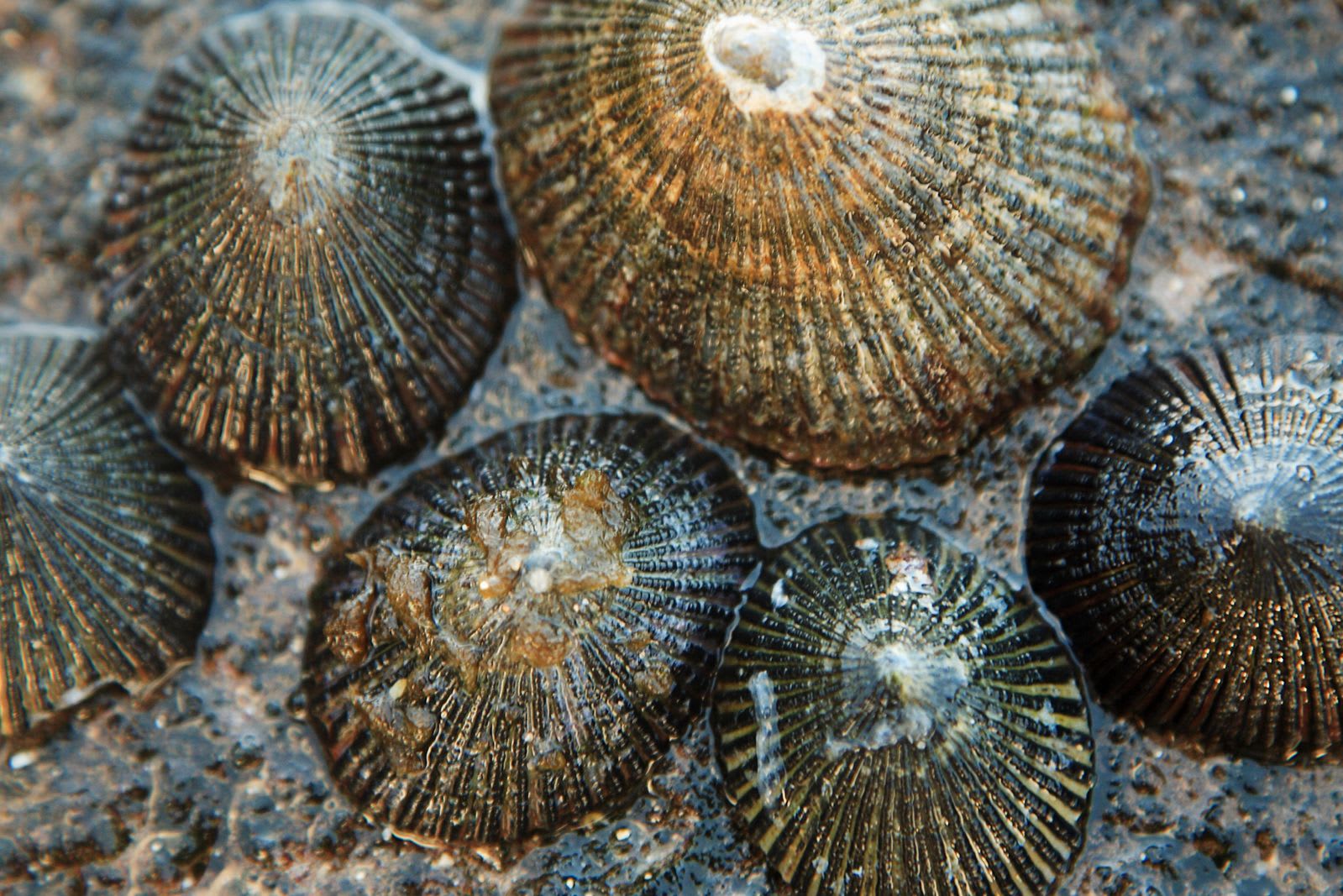
A landmark 2015 study revealed that the teeth of limpets, a type of aquatic snail, are the strongest known biological material, surpassing the tensile strength of spider silk.
Nature's Unlikely Champion: The Strength of Limpet Teeth
For decades, spider silk was widely regarded as the gold standard of biological materials, praised for its incredible tensile strength and elasticity. However, a groundbreaking discovery in 2015 shifted this paradigm when researchers identified that the teeth of limpets—small, aquatic snails—are actually the strongest biological material known to science. This finding challenged previous assumptions about organic structural limits and opened new doors for the field of materials science.
The Mechanics of Extreme Durability
The extraordinary strength of limpet teeth is not a result of a single element but rather a sophisticated composite structure. These teeth are composed of a mineralized chitin fiber composite. Specifically, the researchers found that the teeth contain a mineral called goethite, which is integrated into an organic matrix of chitin. This combination creates a material that can withstand immense pressure and wear, which is essential for the limpet's survival. Limpets use their teeth to scrape algae off hard rocks in high-energy intertidal zones, where they are constantly battered by waves, requiring a material that does not degrade under extreme mechanical stress.
Surpassing the Legend of Spider Silk
While spider silk is renowned for its ability to stretch and absorb energy, the limpet's teeth excel in sheer strength and hardness. The 2015 analysis demonstrated that the mineralized fibers in the snail's teeth possess a higher tensile strength than the proteins found in spider silk. This distinction is critical; while silk is an optimized polymer for trapping prey and building webs, the limpet's tooth is an optimized tool for abrasion. The discovery highlights that "strength" in nature is context-dependent, but in terms of raw load-bearing capacity, the limpet takes the crown.
Implications for Biomimicry and Engineering
The discovery of such a potent biological material has profound implications for biomimicry—the practice of emulating nature's patterns and strategies to solve human problems. Engineers and material scientists are now looking at the molecular architecture of limpet teeth to develop new synthetic materials. By mimicking the way goethite is woven into chitin, humans could potentially create lightweight, ultra-strong composites for use in aerospace engineering, high-performance sports equipment, or even advanced body armor that is more durable than current Kevlar iterations.
Future Trends in Bio-Inspired Materials
Looking forward, this event signals a trend toward exploring "extreme" biological niches to find the next generation of industrial materials. The shift from studying charismatic mega-fauna or well-known insects to studying obscure mollusks suggests that the most valuable scientific breakthroughs may lie in the least expected places. We can expect future research to focus on the synthesis of these mineral-organic hybrids in laboratory settings, aiming to produce materials that combine the flexibility of polymers with the hardness of minerals.
Conclusion
The revelation that a small sea snail possesses the strongest biological material on Earth serves as a powerful reminder of nature's efficiency. By surpassing the legendary strength of spider silk, limpet teeth provide a blueprint for the future of material science, promising a new era of bio-inspired engineering that prioritizes both durability and lightness.