Lok Adalat settles over 2.39 lakh cases in Kalaburagi district
Source Entity
India Latest News: Top National Headlines Today & Breaking News | The Hindu
Intelligence Synthesis
AI-Generated Core Insights
A National Lok Adalat held across courts in the Kalaburagi district of Karnataka successfully settled over 2.39 lakh pending cases, operating under the directives of the National Legal Services Authority (NALSA) and the Karnataka State Legal Services Authority.
Judicial Efficiency: The Impact of National Lok Adalat in Kalaburagi
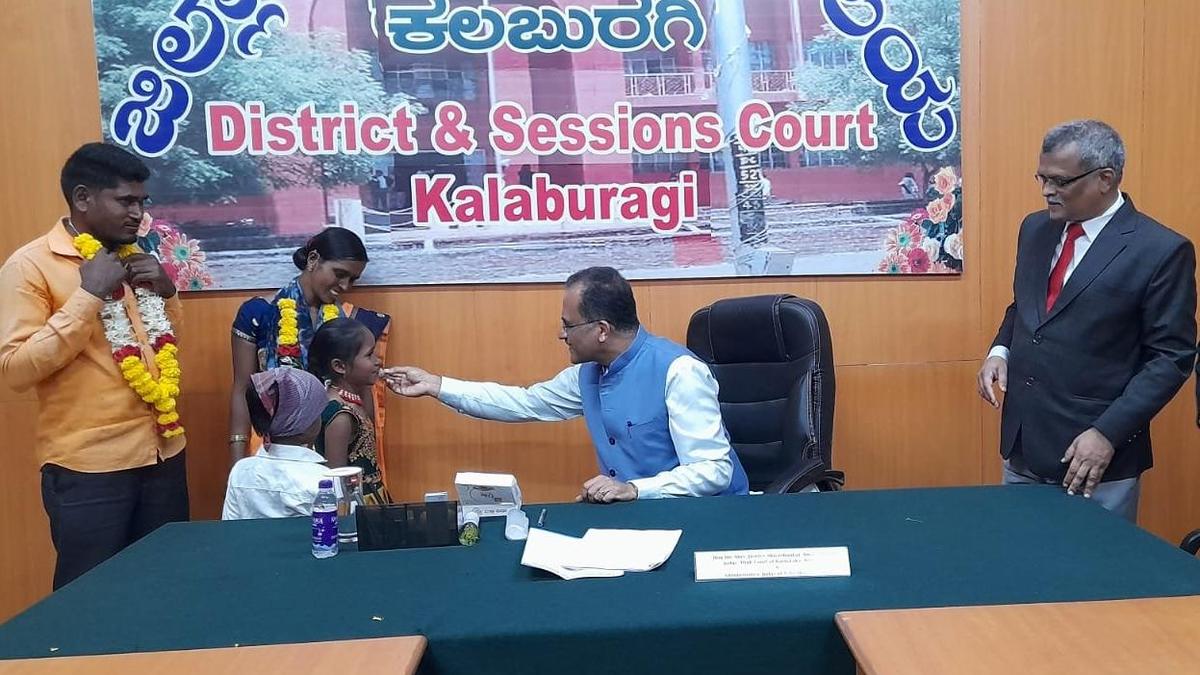
In a significant stride toward reducing judicial backlog, the National Lok Adalat recently concluded its proceedings across all courts in the Kalaburagi district. The event saw the resolution of an impressive 2.39 lakh cases, marking a substantial achievement for the regional legal system. Organized under the strict directives of the National Legal Services Authority (NALSA) and the Karnataka State Legal Services Authority, this initiative underscores the government's commitment to providing swift and accessible justice to the common citizen.
Understanding the Lok Adalat Framework
To understand the magnitude of the Kalaburagi settlement, one must look at the nature of the 'Lok Adalat' or 'People's Court.' Unlike traditional adversarial litigation, Lok Adalats function as a forum for the amicable settlement of disputes through compromise. This mechanism is a cornerstone of India's Alternative Dispute Resolution (ADR) strategy. Because the awards passed by a Lok Adalat are deemed decrees of a civil court and are final and binding—with no provision for appeal—they provide a definitive end to litigation that might otherwise drag on for decades in the formal court system.
Analyzing the Scale of Resolution in Kalaburagi
The settlement of over 2.39 lakh cases in a single district is a staggering figure that highlights both the efficiency of the current administration and the desperate need for such interventions. Such a high volume of resolutions suggests a wide array of cases were handled, likely ranging from petty criminal offenses and matrimonial disputes to electricity bills and motor accident claims. By clearing this volume of cases in a single day of concentrated effort, the Kalaburagi district courts have effectively liberated significant judicial resources, allowing judges to focus on more complex trials that require rigorous evidentiary examination.
The Role of NALSA and State Legal Authorities
The success of this event was not accidental but the result of coordinated planning between NALSA and the Karnataka State Legal Services Authority. These bodies provide the necessary legal framework and administrative support to ensure that litigants are informed and that the mediation process is fair. The collaboration between national and state-level authorities ensures that the guidelines for settlement are standardized, preventing arbitrary decisions and maintaining the integrity of the legal process while prioritizing the speed of resolution.
Societal and Economic Implications
Beyond the numbers, the resolution of these cases carries profound societal implications for the residents of Kalaburagi. Long-term legal battles often create immense psychological stress and financial burdens on litigants, particularly those from marginalized backgrounds. By facilitating a settlement, the Lok Adalat removes the 'Sword of Damocles' hanging over thousands of families. Economically, this efficiency reduces the cost of litigation and prevents the stagnation of assets or funds that are often frozen during prolonged legal disputes, thereby contributing to the local economic fluidity.
Future Trends in Judicial Administration
The Kalaburagi experience serves as a blueprint for other districts facing similar judicial bottlenecks. We can expect a trend toward more frequent and specialized Lok Adalats, potentially utilizing digital platforms to further increase the reach and speed of settlements. As the Indian judiciary continues to grapple with millions of pending cases nationwide, the shift toward ADR mechanisms—as exemplified by this event—will likely become the primary strategy for managing the caseload, moving the legal system from a culture of protracted litigation to one of mediated resolution.
Conclusion
The settlement of 2.39 lakh cases in the Kalaburagi district is a testament to the efficacy of the National Lok Adalat system. By bridging the gap between the law and the people, and through the strategic coordination of NALSA and state authorities, this event has provided immediate relief to thousands of citizens and significantly lightened the load on the district's judicial infrastructure.
Verification Required?