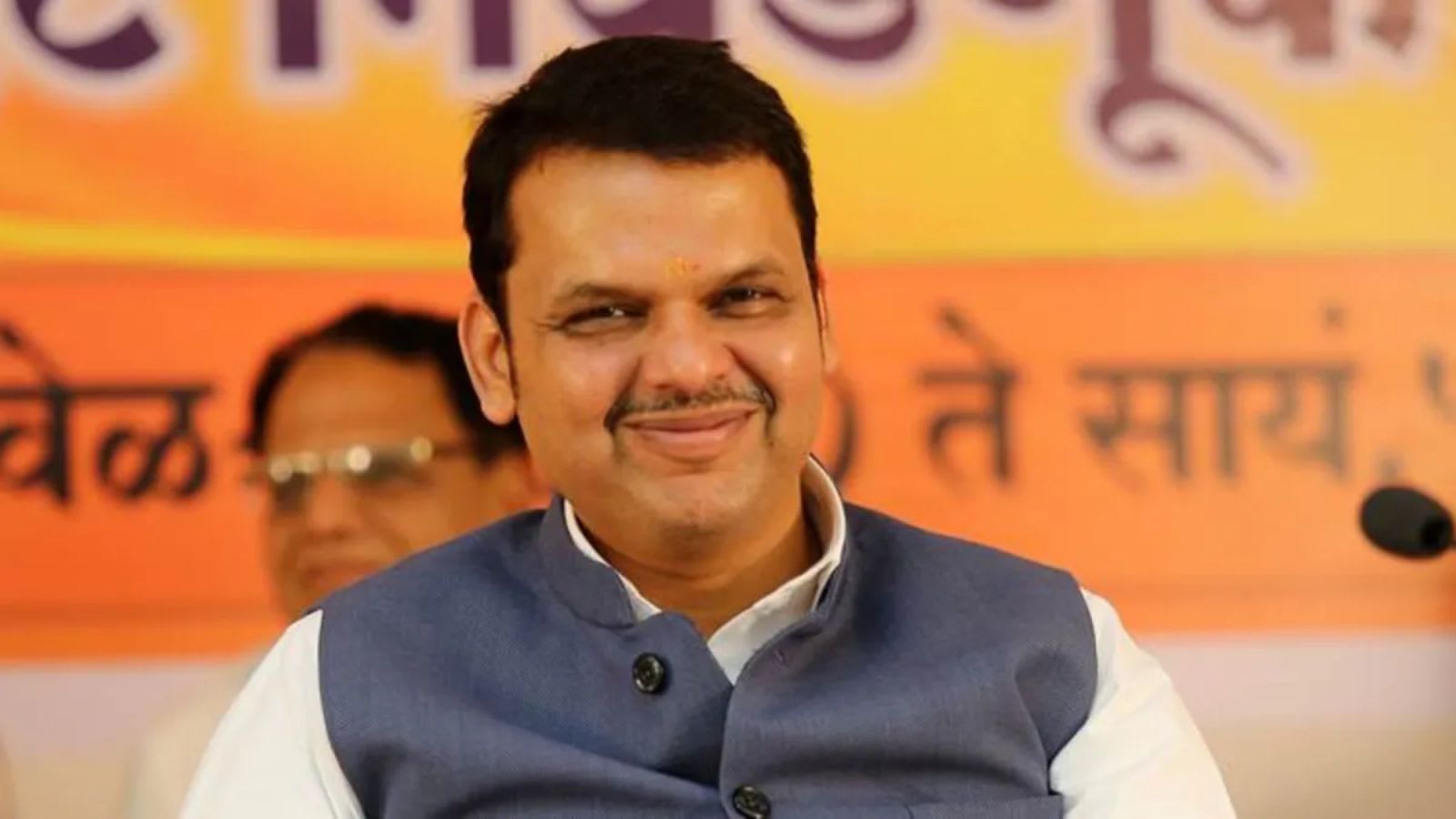
Maharashtra CM buzz: Raut says Fadnavis could move to Delhi, Bawankule may fill in
Source Entity
The Indian Express
Intelligence Synthesis
AI-Generated Core Insights
Opposition leaders Sanjay Raut and Rohit Pawar have ignited political speculation in Maharashtra, suggesting that Devendra Fadnavis may move to a central role in Delhi, potentially paving the way for Bawankule to take over as Chief Minister.
Political Turbulence in Maharashtra: Analyzing the Fadnavis-Delhi Speculation
The political landscape of Maharashtra is currently characterized by extreme volatility and strategic posturing. Recent statements by Sanjay Raut of the Shiv Sena (UBT) and Rohit Pawar of the NCP (SP) have injected fresh uncertainty into the state's administrative hierarchy. The speculation centers on the possibility of Devendra Fadnavis, a cornerstone of the ruling Mahayuti alliance, moving to a central role in New Delhi. This narrative suggests that such a move would create a leadership vacuum in the state, which could potentially be filled by BJP leader Bawankule.
The 'Delhi Move' Narrative and BJP Strategy
The notion of a senior state leader shifting to central politics is a recurring theme in the Bharatiya Janata Party's (BJP) organizational strategy. Devendra Fadnavis, having served as Chief Minister and possessing a deep understanding of both state administration and national party dynamics, is a prime candidate for a high-level appointment in the national capital. By floating this possibility, the opposition is tapping into the perceived tension between state-level ambitions and the requirements of the central party leadership. This speculation serves to question the long-term commitment of current leadership to the state's immediate governance.
The Role of Bawankule and Internal Dynamics
The specific mention of Bawankule as a potential successor is particularly telling. As a key organizational figure within the BJP in Maharashtra, Bawankule represents the party's grassroots and organizational machinery. His elevation would signal a shift away from the high-profile, administrative image projected by Fadnavis toward a leadership style more aligned with party organizational loyalty. This creates a narrative of internal restructuring that the opposition can exploit to suggest instability or a lack of consensus within the ruling coalition.
Strategic Objectives of the Opposition
It is crucial to analyze these claims through the lens of political warfare. Sanjay Raut and Rohit Pawar represent factions that have been sidelined from the current power structure following the splits in the Shiv Sena and NCP. By seeding doubts about the continuity of the Chief Minister's office, they aim to create psychological friction among the coalition partners of the Mahayuti. Such rumors are often designed to trigger internal rivalry, provoke distrust among allies, and project an image of a government in flux to the general electorate.
Historical Context of Maharashtra's Leadership Churn
Maharashtra has witnessed unprecedented leadership churn in recent years, with multiple chief ministers occupying the office in a remarkably short span. This instability was driven by party splits and the formation of unconventional coalitions. This historical context makes any speculation about a change in leadership—whether grounded in fact or strategic conjecture—highly potent. The state's political environment is now primed for sudden shifts, making the public and the political class more susceptible to rumors regarding leadership transitions.
Future Implications and Stability
Looking ahead, the stability of the Maharashtra government depends heavily on the perceived unity of its top leadership. If the rumors of Fadnavis's departure persist, the ruling alliance may be forced to make overt public declarations of stability to quell dissent and reassure their voter base. Conversely, if a move to Delhi were to materialize, it would necessitate a complex and delicate negotiation process to ensure the coalition remains intact, as the choice of a successor could alienate certain factions within the alliance.
Conclusion
In summary, while the claims made by Raut and Pawar currently reside in the realm of political speculation, they highlight the fragility of alliances in Maharashtra. The interplay between local leadership ambitions and central command remains a critical fault line. Whether these statements are mere tactical maneuvers or based on insider knowledge, they underscore the ongoing struggle for narrative control in one of India's most politically complex states.