Man bitten by rattlesnake in California required 54 vials of antivenom to survive
Source Entity
TIMESOFINDIA.COM
Intelligence Synthesis
AI-Generated Core Insights
An Idaho man survived a severe rattlesnake bite in California after receiving an unprecedented 54 vials of antivenom across two hospitals to combat life-threatening blood clotting disorders.
A Medical Anomaly: Surviving an Extreme Envenomation
In a rare and harrowing medical case, an Idaho man has survived a rattlesnake bite in California that required an extraordinary 54 vials of antivenom. While most rattlesnake bites are treated with a fraction of this amount—typically ranging from four to twelve vials depending on the severity—this case represents a extreme outlier in toxicological emergency medicine. The patient's survival is a testament to both the rapid intervention of first responders and the capacity of California's tertiary healthcare systems to manage critical, life-threatening complications.
The Physiology of Hemotoxicity and Coagulopathy
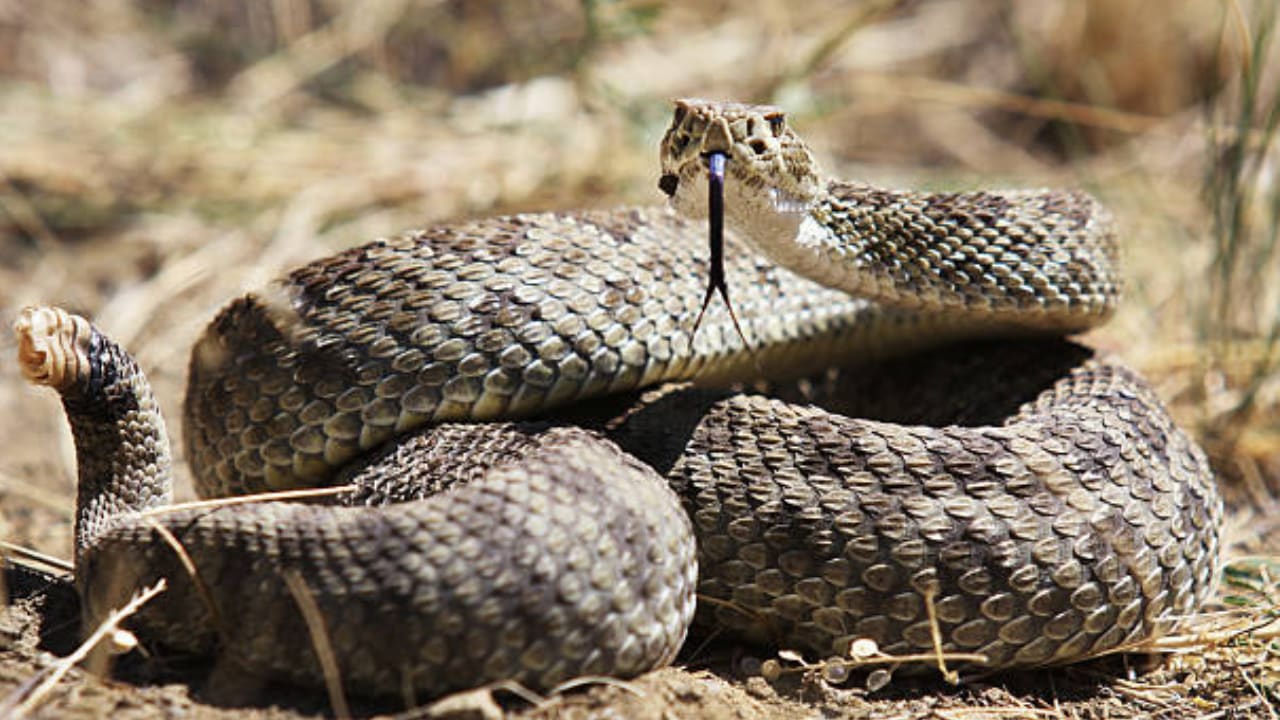
The primary driver behind the massive dose of antivenom was the rapid spread of venom and the development of a dangerous blood clotting disorder. Rattlesnake venom, particularly from the Crotalus genus common in California, contains potent hemotoxins and proteases. These toxins trigger a cascade that leads to Venom-Induced Consumption Coagulopathy (VICC), a state where the body's clotting factors are exhausted as the venom triggers widespread, microscopic clotting. This paradoxically leaves the patient at high risk for spontaneous and uncontrollable internal bleeding. The severity of this man's reaction suggests a massive systemic absorption of venom, necessitating a continuous and aggressive administration of antivenom to neutralize the toxins before permanent organ failure occurred.
Logistics of Critical Care and Antivenom Supply
This event highlights the precarious nature of specialized pharmaceutical stockpiles in regional hospitals. The fact that Oroville Hospital exhausted its entire supply of antivenom underscores the volatility of treating rare but severe wildlife encounters. In many rural or mid-sized facilities, antivenom is kept in limited quantities because it is expensive and has a strict shelf life. The subsequent transfer to Stanford Hospital was a critical pivot; as a major academic medical center, Stanford possesses the resources and specialized toxicology expertise required to administer high-volume doses and manage the systemic instability associated with such an extreme reaction.
The Risks of High-Dose Antivenom Therapy
While the 54 vials were necessary to save the patient's life, such a high volume of antivenom introduces its own set of medical risks. Most antivenoms are derived from equine (horse) serum, which can trigger severe allergic reactions or anaphylaxis. Furthermore, the administration of large quantities of foreign proteins can lead to serum sickness, an immune response that causes joint pain, fever, and rash days or weeks after treatment. The medical team's ability to stabilize the patient while navigating the thin line between neutralizing the venom and triggering a systemic allergic response is a significant clinical achievement.
Regional Context and Public Safety
This incident serves as a stark reminder of the dangers inherent in California's diverse ecosystems, especially for visitors from other regions, such as this man from Idaho. The interaction between human encroachment and rattlesnake habitats often leads to such encounters. From a public health perspective, this case emphasizes the importance of immediate transport to a facility capable of handling severe envenomation. The transition from a local hospital to a specialized center like Stanford illustrates the necessary hierarchy of care in emergency toxicology, where stabilization is the first goal, followed by intensive specialized treatment.
Summary and Future Implications
Ultimately, the recovery of the Idaho man is a remarkable outcome given the scale of the envenomation. This case may provide valuable data for toxicologists regarding the upper limits of antivenom efficacy and the management of extreme coagulopathy. It also suggests a need for improved coordination in the distribution of antivenom across regional health networks to ensure that smaller hospitals are not left depleted during catastrophic events. As climate change shifts the habitats of venomous reptiles, such extreme medical emergencies may become more frequent, necessitating a more robust infrastructure for antivenom availability.