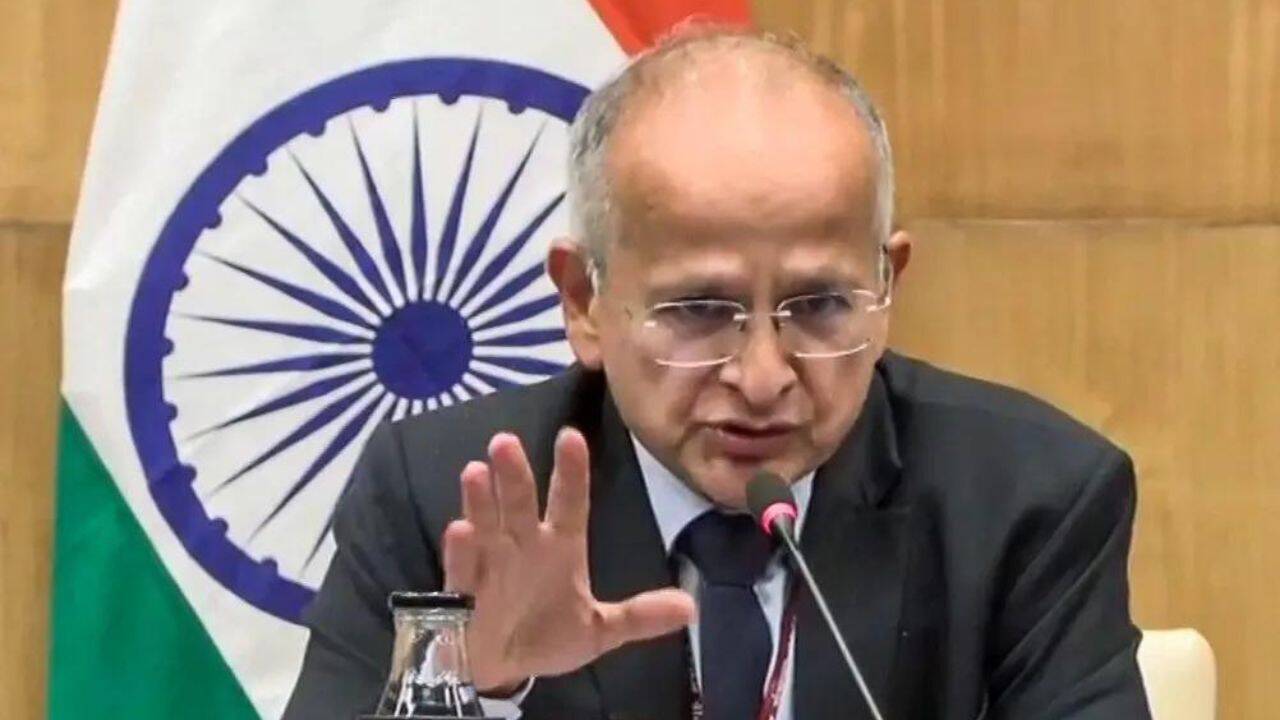
'Prefers direct contact': MEA on New Zealand scribe's query on PM Modi
Source Entity
TOI NEWS DESK
Intelligence Synthesis
AI-Generated Core Insights
The Ministry of External Affairs (MEA) clarified Prime Minister Narendra Modi's preference for direct engagement with voters, describing it as a strategic political method that has contributed to his electoral success and longevity, while highlighting the goal of strengthening the Indo-Pacific order with New Zealand.
The Diplomacy of Direct Engagement: Analyzing MEA's Response to New Zealand Inquiry
The Ministry of External Affairs (MEA) recently addressed a query from a New Zealand journalist regarding Prime Minister Narendra Modi's specific mode of interaction with the public. By emphasizing a preference for "direct contact," the MEA provided a window into the strategic communication framework that has defined the current Indian administration's relationship with its electorate. This response is not merely a clarification of a personal preference but a defense of a calculated political methodology that prioritizes the removal of intermediaries.
The Philosophy of Disintermediation
At the core of the MEA's explanation is the concept of disintermediation—the removal of intermediaries between the leader and the people. In the context of Indian politics, this means pivoting away from traditional press conferences or relying solely on party spokespeople to convey the Prime Minister's message. By leveraging digital platforms, massive public rallies, and direct broadcast addresses, PM Modi creates a perceived unmediated link with the voter. This strategy allows for a more controlled narrative and a more intimate, albeit one-sided, connection with the grassroots, ensuring that the intended message reaches the public without being filtered through journalistic lenses.
Linking Communication to Electoral Success
The MEA explicitly linked this direct engagement style to the Prime Minister's electoral success and his prolonged tenure. This suggests that the administration views the "direct contact" model as a primary driver of political longevity. By bypassing the "filter" of the traditional media, the leadership can frame its achievements and policies directly to the public, reducing the risk of critical framing by intermediaries. This approach has fundamentally altered the landscape of Indian campaigning, moving from local party-led outreach to a centralized, leader-centric communication model that maximizes the Prime Minister's personal brand.
Strategic Ties with New Zealand and the Indo-Pacific
Beyond the domestic political analysis, the context of this exchange occurred during a visit aimed at strengthening the "rule-based Indo-Pacific order." New Zealand, as a key partner in the Pacific, shares India's interest in a stable, open, and inclusive maritime environment. The MEA's decision to explain the PM's internal political style to a foreign scribe indicates a desire to project an image of a leader who is deeply connected to his people, thereby presenting a strong, mandate-backed representative on the global stage. This connects internal political strength to external diplomatic leverage.
Global Trends in Political Communication
The "direct contact" method described by the MEA mirrors a global trend seen in various democratic nations where leaders increasingly use social media and direct digital communication to bypass traditional journalistic scrutiny. This shift often leads to a more polarized political environment but grants the leader greater agility in responding to events and mobilizing supporters. In the case of India, this has been integrated into a sophisticated machinery of political outreach that blends modern technology with traditional mass mobilization, making it a benchmark for contemporary political strategy.
Conclusion: The Intersection of Power and Perception
In summary, the MEA's response to the New Zealand journalist serves as a formal acknowledgement of the strategic importance of PM Modi's communication style. By framing it as a "political method" that ensures electoral success, the MEA underscores the symbiotic relationship between how the Prime Minister communicates domestically and how he is perceived internationally. Ultimately, the focus remains on consolidating a rule-based order in the Indo-Pacific, supported by a leadership style that emphasizes direct, unmediated power and a strong connection to the electorate.