MCC begins drive against footpath encroachments in Mysuru
Source Entity
India Latest News: Top National Headlines Today & Breaking News | The Hindu
Intelligence Synthesis
AI-Generated Core Insights
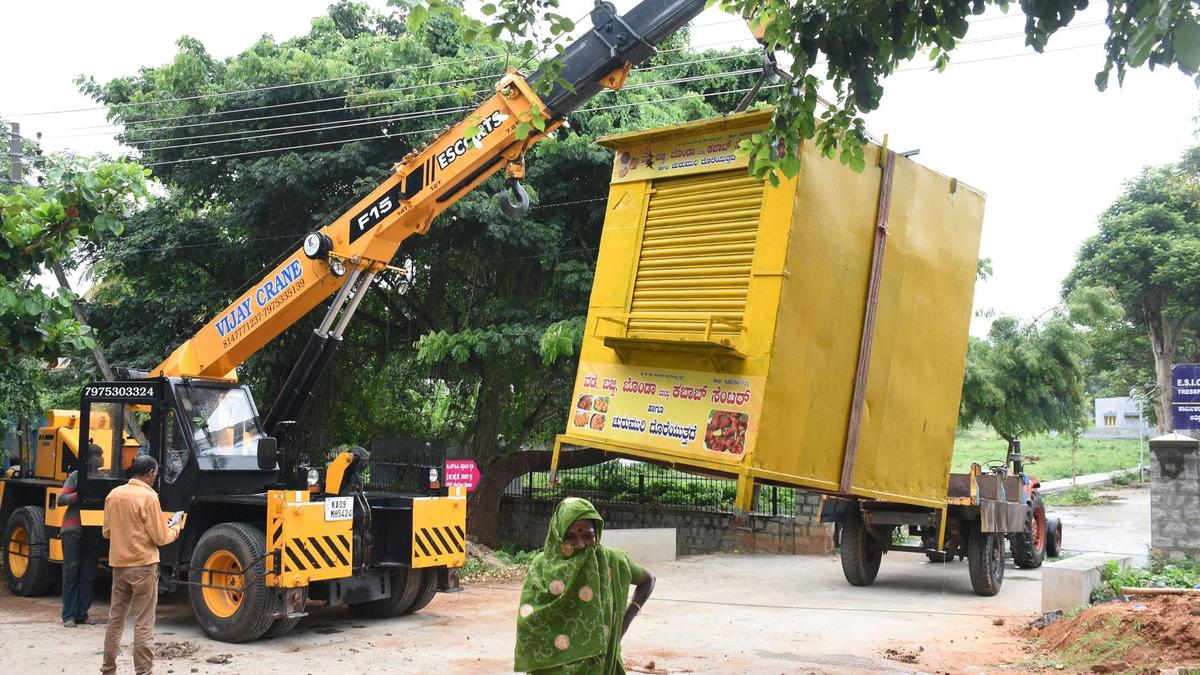
The Mysuru City Corporation (MCC) has launched a campaign to clear footpath encroachments across the city, following a similar urban management initiative implemented in Bengaluru to improve pedestrian mobility.
Reclaiming the Streets: Analysis of the MCC's Footpath Clearance Drive
The Mysuru City Corporation (MCC) has officially initiated a campaign to remove encroachments from city footpaths, a move that signals a tightening of urban governance and a push for better pedestrian infrastructure. This initiative is not an isolated event but is explicitly modeled after a similar drive conducted in Bengaluru. By targeting the illegal occupation of pedestrian walkways, the MCC aims to restore the primary function of these spaces: ensuring the safe and unobstructed movement of citizens.
The Urbanization Ripple Effect
This drive highlights a growing trend in Karnataka's urban centers where the pressure of rapid population growth and commercial expansion has led to the gradual erosion of public spaces. In cities like Mysuru and Bengaluru, footpaths often transition from pedestrian walkways to makeshift marketplaces. While this provides a low-barrier entry for small-scale entrepreneurs and street vendors, it creates a systemic failure in urban planning. The decision by the MCC to mirror Bengaluru's actions suggests a coordinated state-level approach to urban discipline, aiming to standardize how municipal bodies handle the tension between commercial viability and public utility.
Pedestrian Safety and Traffic Implications
From a logistical perspective, footpath encroachment creates a dangerous domino effect on city traffic. When pedestrians are forced off the sidewalks and onto the main carriage-ways due to vendor stalls or illegal extensions, the risk of road accidents increases exponentially. Furthermore, this bottlenecking slows down vehicular traffic, contributing to the congestion that plagues many heritage cities. By reclaiming these spaces, the MCC is not merely performing an aesthetic cleanup but is implementing a critical safety measure to segregate pedestrian and vehicular traffic, thereby reducing the likelihood of collisions and improving the overall flow of the city's transit network.
The Socio-Economic Conflict of Street Vending
Beneath the surface of this administrative drive lies a complex socio-economic struggle. Street vending is a primary source of livelihood for thousands of marginalized citizens. The conflict arises when the right to livelihood clashes with the right to public access. Historically, such drives often face resistance because the removal of encroachments without the provision of designated 'vending zones' can lead to economic hardship for the poor. For the MCC's drive to be sustainable and not merely a temporary exercise in displacement, the corporation must balance enforcement with the creation of organized marketplaces that satisfy both the vendors' needs and the pedestrians' rights.
Future Trends in Municipal Governance
Looking ahead, this drive is likely a precursor to more stringent urban management policies. As Mysuru continues to grow as a tourism and educational hub, the demand for 'Smart City' infrastructure will increase. We can expect the MCC to move toward digital mapping of encroachments and the implementation of stricter zoning laws. The trend suggests a shift toward a more regulated urban environment where the 'informal economy' of the streets is brought into a formal framework, ensuring that the city remains navigable and accessible to all residents and visitors.
Conclusion
In summary, the MCC's drive against footpath encroachments is a necessary step toward restoring urban order and enhancing public safety in Mysuru. While the immediate focus is on clearing obstructions, the long-term success of this initiative will depend on the administration's ability to integrate street vendors into a planned urban ecosystem. By learning from the Bengaluru model, Mysuru has the opportunity to redefine its public spaces as inclusive, safe, and efficient environments for everyone.
Verification Required?