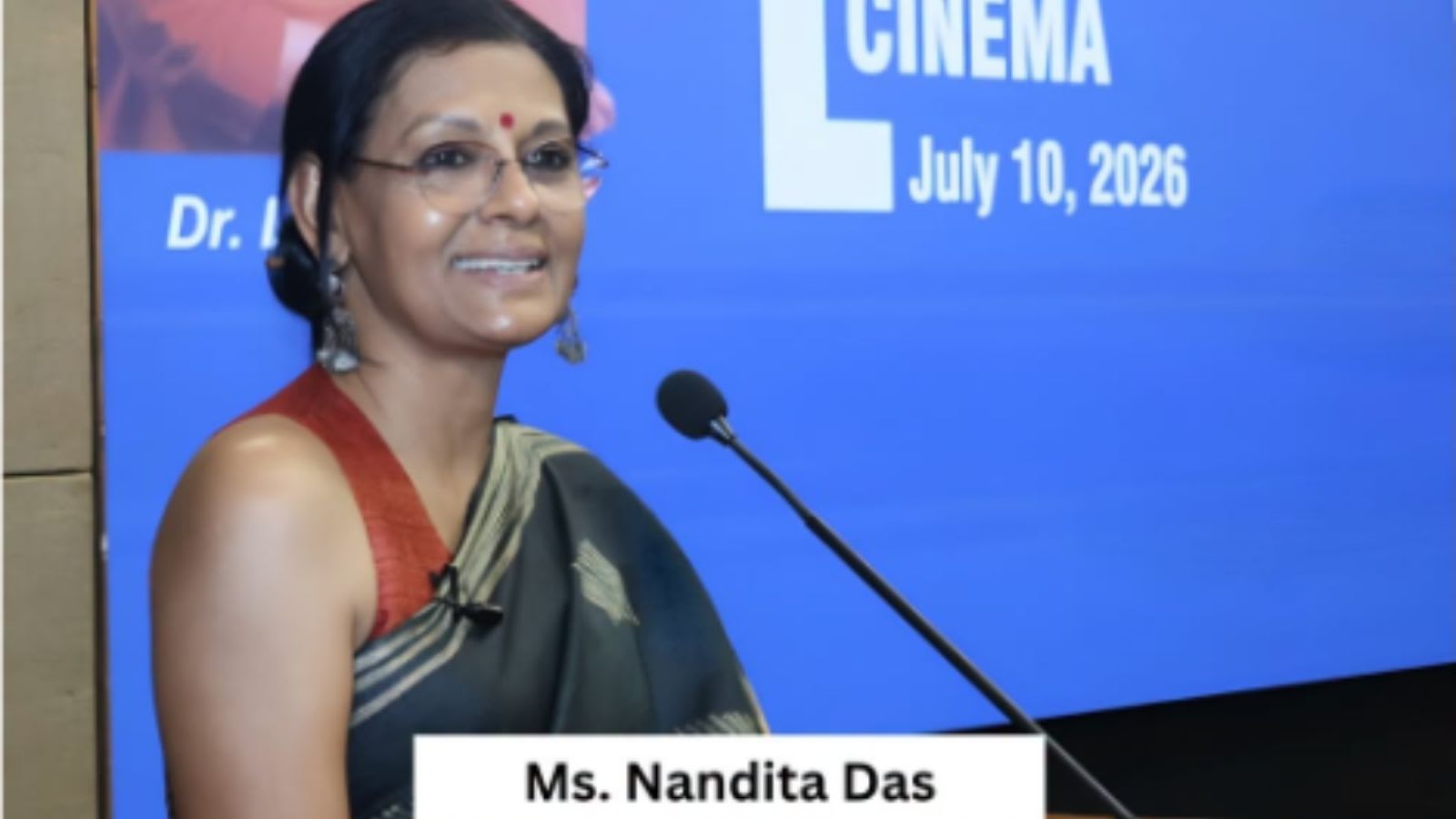
Films should create conversations, not just entertainment, says Nandita Das
Source Entity
The Indian Express
Intelligence Synthesis
AI-Generated Core Insights
Filmmaker Nandita Das delivered the 17th Dr. Lalita Iyer Memorial Lecture at the Ahmedabad Management Association, emphasizing that cinema should serve as a catalyst for social dialogue rather than just a medium for escapist entertainment, drawing on her background in social work.
Cinema as a Catalyst for Change: Analyzing Nandita Das’s Vision
During the 17th Dr. Lalita Iyer Memorial Lecture held at the Ahmedabad Management Association (AMA), acclaimed filmmaker Nandita Das presented a compelling argument regarding the fundamental purpose of motion pictures. Rather than viewing cinema solely through the lens of commercial entertainment or escapism, Das posited that the medium's highest calling is to foster meaningful social conversations. This perspective challenges the prevailing industry trend of prioritizing mass-market appeal over intellectual and social substance.
The Synthesis of Social Work and Storytelling
A central theme of Das's lecture was the profound influence of her background in social work on her cinematic journey. By bridging the gap between grassroots activism and mainstream storytelling, Das demonstrates how real-world struggles can be translated into narrative structures that resonate with a wider audience. This intersection suggests that a filmmaker's role is not merely to observe society, but to engage with its complexities through a lens informed by direct human experience, ensuring that the stories told are grounded in reality.
Moving Beyond Mere Entertainment
The distinction Das draws between "entertainment" and "conversation" is critical in the context of modern media consumption. While traditional entertainment often seeks to provide temporary relief or distraction from reality, conversation-driven cinema aims to leave a lasting impact on the viewer's consciousness. This approach requires filmmakers to tackle uncomfortable truths and systemic issues, effectively turning the viewing experience into a space for collective reflection and subsequent public debate.
The Implications for the Creative Industry
Das's remarks at the AMA carry significant weight for the broader creative economy and the management of cultural institutions. As media platforms become increasingly fragmented and content becomes more ephemeral, the call for "conversation-starting" content serves as a reminder of the enduring power of the moving image. For creators and producers, this implies a necessary shift in focus from purely aesthetic or commercial success toward the socio-cultural relevance and longevity of their work.
Future Trends in Socially Conscious Cinema
Looking ahead, the demand for narratives that tackle complex social realities is likely to grow as global audiences become more socially aware and digitally connected. Das's philosophy aligns with a rising trend where viewers seek authenticity and depth over superficiality. As digital platforms expand the reach of independent and socially conscious filmmakers, the ability to spark global conversations through localized, authentic stories will become a hallmark of impactful and successful modern cinema.
Conclusion
In summary, Nandita Das's lecture at the Ahmedabad Management Association serves as a powerful manifesto for the responsible use of cinematic tools. By advocating for a cinema that prioritizes dialogue over distraction, she underscores the potential for art to act as both a mirror to society and a driver for progressive, meaningful change.