New parasitic wasp species discovered in Jammu & Kashmir
Source Entity
The Indian Express
Intelligence Synthesis
AI-Generated Core Insights
A new species of parasitic wasp has been discovered in the Himalayan region of Jammu and Kashmir, potentially offering a sustainable alternative for biological pest control.
Discovery of a New Parasitic Wasp in the Himalayas
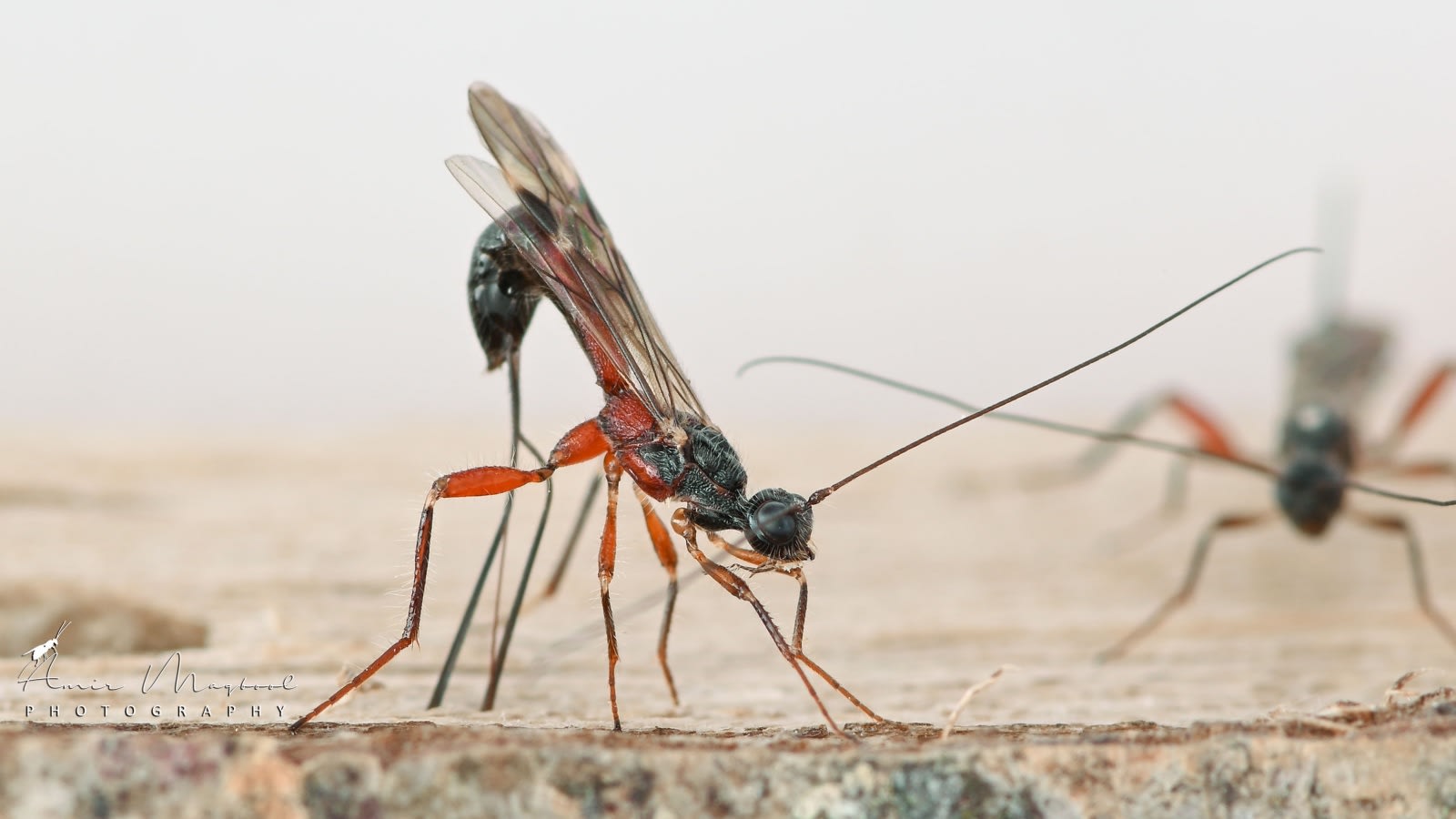
The Himalayan region of Jammu and Kashmir has recently revealed a new biological treasure: a previously undocumented species of parasitic wasp. This discovery, detailed in a study published in the scientific journal Zootaxa, highlights the immense and often untapped biodiversity of the high-altitude ecosystems of Northern India. The identification of this species is not merely a taxonomic achievement but a significant finding for entomologists and ecologists who study the complex interactions between predators and prey in fragile mountain environments.
The Role of Parasitoids in Ecological Balance
To understand the significance of this discovery, one must understand the nature of parasitic wasps, known scientifically as parasitoids. Unlike typical parasites that live on a host without necessarily killing it, parasitoids eventually kill their hosts as a mandatory part of their development. By targeting specific insect pests, these wasps act as natural regulators of insect populations. In the context of the Jammu and Kashmir region, this new species likely plays a critical role in maintaining the equilibrium of the local ecosystem, preventing any single insect species from dominating and damaging the native flora.
Biodiversity and the Himalayan Landscape
Jammu and Kashmir's unique topography—characterized by extreme altitude variations, isolated valleys, and diverse climatic zones—creates a "natural laboratory" for speciation. The geographic isolation provided by the Himalayan peaks often leads to the evolution of endemic species that are found nowhere else on Earth. This discovery reinforces the theory that the region remains a frontier for biological exploration, where many species likely exist without formal scientific descriptions. The presence of such specialized insects suggests a highly evolved and intricate food web that supports the overall resilience of the Himalayan biosphere.
Implications for Biological Pest Control
One of the most promising aspects of this discovery is the potential application of the wasp in biological control. Modern agriculture is currently facing a crisis of chemical resistance, where pests evolve to survive synthetic pesticides, leading to increased chemical usage and environmental degradation. Parasitic wasps offer a "green" alternative; by introducing or supporting these natural enemies, farmers can manage pest populations without relying on toxic chemicals. If this new species is found to target agricultural pests common to the region, it could lead to the development of sustainable, eco-friendly farming practices in the Himalayan foothills.
The Importance of Taxonomic Research
The publication of this research in Zootaxa underscores the ongoing necessity of traditional taxonomy in the age of genomic sequencing. While DNA barcoding is becoming common, the detailed morphological analysis required to describe a new species ensures a comprehensive understanding of the organism's physical adaptations and behavioral traits. Documenting these species is a race against time, as climate change and habitat loss threaten to erase biodiversity before it can even be recorded. This discovery serves as a reminder that rigorous field surveys and taxonomic descriptions are essential for conservation efforts.
Future Trends and Environmental Outlook
Looking forward, this discovery is likely to spark further entomological expeditions in the region. Experts predict a trend toward integrating these biological findings with climate modeling to see how shifting temperatures might affect the distribution of such parasitoids. If the warming climate causes pests to migrate to higher altitudes, the role of native parasitic wasps will become even more critical in preventing ecological collapses. Future research will likely focus on the specific host-range of this new wasp to determine its viability as a commercial biocontrol agent.
Conclusion
In summary, the discovery of a new parasitic wasp species in Jammu and Kashmir is a testament to the biological richness of the Himalayas. By bridging the gap between basic taxonomic science and applied agricultural ecology, this finding opens new doors for sustainable pest management and deeper conservation strategies. It highlights the critical need to protect these high-altitude habitats to preserve the natural mechanisms that keep our planet's ecosystems healthy and balanced.