Pak refuses to accept grooming gang leader unless UK hands over political dissidents
Source Entity
NAOMI CANTON
Intelligence Synthesis
AI-Generated Core Insights
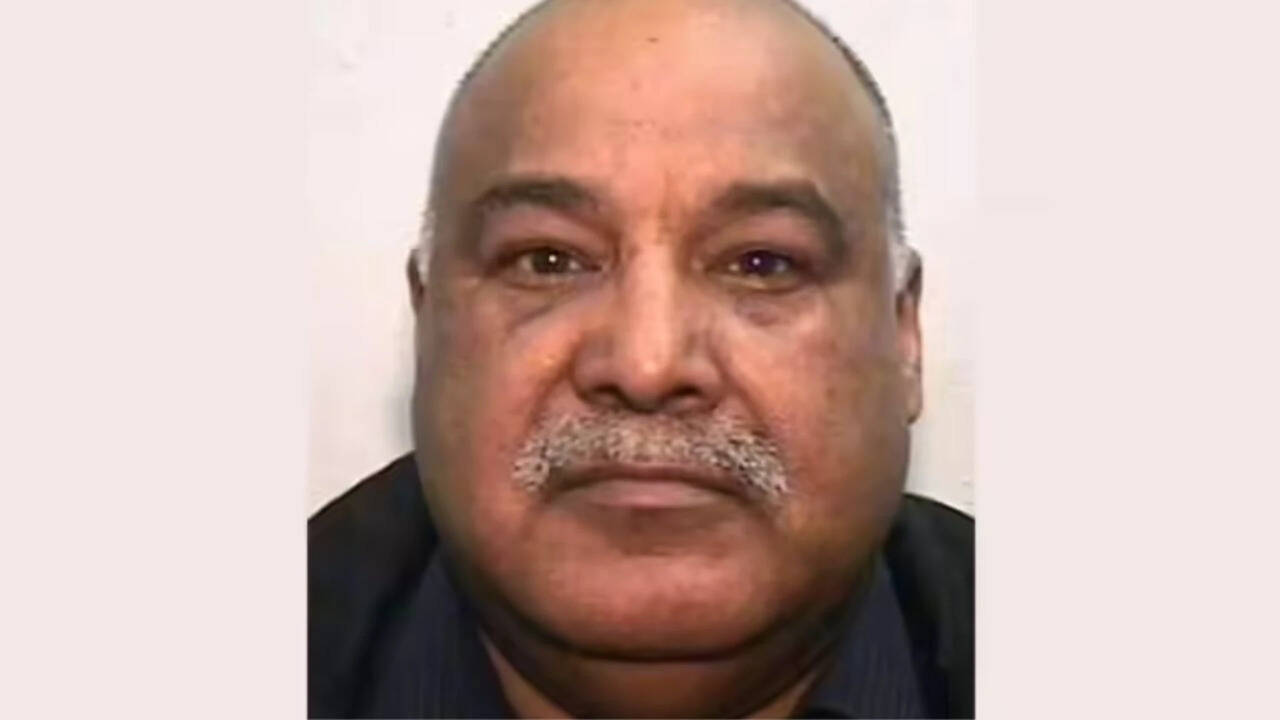
Pakistan has refused to accept the deportation of Shabir Ahmed, a grooming gang leader whose British citizenship was revoked, unless the UK extradites political dissidents Shahzad Akbar and Adil Raja, resulting in a diplomatic impasse.
Diplomatic Deadlock: The Intersection of Criminality and Political Leverage
The current standoff between the United Kingdom and Pakistan represents a complex intersection of criminal justice and geopolitical maneuvering. At the center of the dispute is Shabir Ahmed, a convicted grooming gang leader whose British citizenship was revoked, rendering him subject to deportation. While the UK seeks to remove a high-profile criminal from its soil, Pakistan has transformed the administrative process of deportation into a diplomatic bargaining chip, refusing to accept Ahmed unless the UK complies with demands to extradite specific political dissidents.
The Case of Shabir Ahmed and Citizenship Revocation
Shabir Ahmed's situation is a prime example of the UK government's increasingly stringent approach to citizenship. In recent years, the Home Office has expanded its powers to strip individuals of their British nationality if it is deemed conducive to the public good, particularly in cases involving terrorism or organized crime, such as the grooming gangs that have shocked the British public. By revoking Ahmed's citizenship, the UK has effectively shifted the burden of his incarceration or supervision back to his country of origin. However, this legal mechanism relies entirely on the willingness of the receiving nation to accept the individual, a vulnerability that Pakistan is currently exploiting.
Political Dissidents as Bargaining Chips
Pakistan's refusal to accept Ahmed is not based on the merits of his criminal case, but rather on a demand for the reciprocal extradition of figures such as Shahzad Akbar and Adil Raja. These individuals are characterized by the Pakistani government as criminals or threats to state security, while supporters and international observers often view them as political dissidents. By linking the return of a known criminal like Ahmed to the handover of political opponents, Islamabad is attempting to use a humanitarian and legal loophole to silence critics living abroad. This tactic highlights a broader trend where authoritarian-leaning regimes utilize diplomatic channels to pursue 'transnational repression.'
The Legal Impasse and Extradition Hurdles
From a legal standpoint, the UK is highly unlikely to grant Pakistan's request. Extradition processes in the UK are governed by strict human rights laws and treaties that prohibit the handover of individuals if there is a substantial risk that they will face torture, unfair trials, or political persecution. Given the documented concerns regarding the judicial system in Pakistan and the political nature of the charges against Akbar and Raja, the British courts would likely block any extradition attempt. This creates a paradoxical stalemate: the UK cannot force Pakistan to take Ahmed, and Pakistan cannot force the UK to surrender its residents.
Broader Implications for UK-Pakistan Relations
This incident underscores the fragility of the bilateral relationship between London and Islamabad. The use of a deported criminal as leverage suggests a shift toward a more transactional form of diplomacy. For the UK, this scenario is an embarrassing failure of the citizenship revocation strategy, as it leaves a dangerous individual in a legal limbo—unable to stay in the UK but unable to be deported. For Pakistan, the move signals a willingness to prioritize the neutralization of political rivals over the cooperation of international law enforcement efforts to combat organized crime.
Conclusion and Future Outlook
Ultimately, the standoff over Shabir Ahmed is likely to end in a protracted legal battle or a quiet diplomatic compromise that does not involve the extradition of political dissidents. The UK may be forced to keep Ahmed in immigration detention for an extended period, or find alternative legal avenues to ensure his removal. This case serves as a cautionary tale for the UK government regarding the limitations of citizenship revocation; without the guaranteed cooperation of the receiving state, the power to strip nationality is an incomplete tool for public safety. As long as Pakistan views the return of criminals as a currency for political gains, such diplomatic frictions are inevitable.