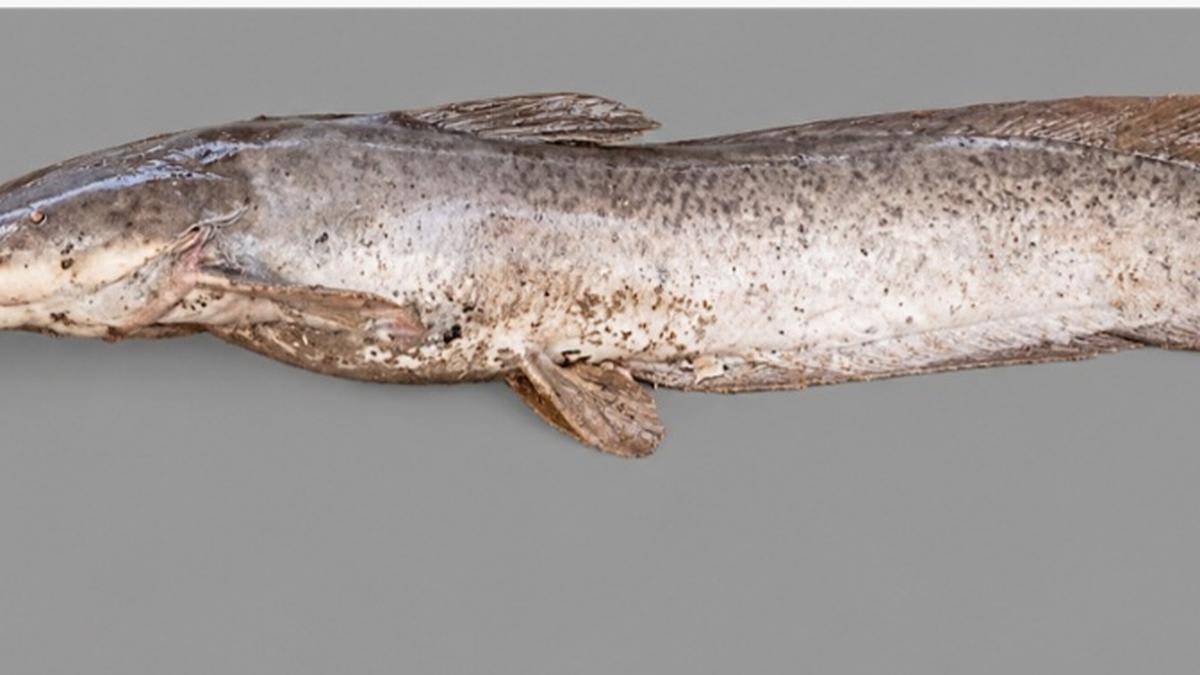
Initiative launched in Periyar Tiger Reserve for managing invasive African catfish
Source Entity
India Latest News: Top National Headlines Today & Breaking News | The Hindu
Intelligence Synthesis
AI-Generated Core Insights
The Periyar Tiger Reserve has launched a conservation initiative to manage the invasive African catfish, aiming to restore native aquatic biodiversity while providing sustainable livelihood opportunities for local communities through the harvest of the invasive species.
Balancing Ecology and Economy: The African Catfish Initiative in Periyar Tiger Reserve
The Periyar Tiger Reserve (PTR), a critical biodiversity hotspot located in the Western Ghats of Kerala, India, is currently implementing a strategic intervention to combat the proliferation of the invasive African catfish (Clarias gariepinus). This initiative represents a sophisticated shift in conservation methodology, moving away from purely restrictive protectionism toward a model of "utilization-based management." By targeting a species that threatens the delicate equilibrium of the reserve's aquatic ecosystems, the PTR aims to safeguard indigenous fish populations while simultaneously integrating the socio-economic needs of the surrounding human populations.
The Ecological Threat of the African Catfish
The introduction of the African catfish into the waterways of the Periyar Tiger Reserve has created significant ecological instability. As a hardy, opportunistic apex predator with a high reproductive rate and a tolerance for low-oxygen environments, the African catfish outcompetes native species for food and breeding grounds. More critically, it preys upon juvenile native fish and amphibians, leading to a decline in endemic biodiversity. This disruption ripples through the food web, potentially affecting larger predators and altering the nutrient cycling within the reserve's water bodies, which are essential for the overall health of the tiger reserve's flora and fauna.
A Synergistic Approach to Conservation and Livelihoods
What distinguishes this initiative is its dual-purpose design. Rather than attempting a costly and often futile total eradication through chemical or mechanical means, the PTR is leveraging the economic value of the invasive species. By encouraging the targeted harvest of the African catfish, the reserve transforms an ecological liability into a community asset. This approach provides local populations with a sustainable source of protein and potential income, effectively incentivizing the community to act as the primary agents of invasive species control. When local inhabitants benefit financially from the removal of a pest, the long-term sustainability of the conservation effort increases exponentially.
The Role of Community-Led Biodiversity Protection
Historically, conservation efforts in protected areas have often clashed with the needs of indigenous and local communities, leading to conflict and poaching. This initiative in the Periyar Tiger Reserve seeks to flip this narrative by fostering a symbiotic relationship between the forest administration and the people. By involving locals in the management of the African catfish, the PTR is building a sense of ownership and stewardship over the reserve's natural resources. This participatory model is crucial because the success of biodiversity protection in large landscapes depends heavily on the cooperation of those who live on the fringes of the wilderness.
Global Context and the "Invasive-to-Resource" Trend
This strategy aligns with a growing global trend in environmental science known as the "invasive-to-resource" pipeline. Similar models have been deployed worldwide, such as the promotion of lionfish consumption in the Caribbean to protect coral reefs. By creating a market for invasive species, conservationists can fund restoration projects and reduce the pressure on native species. The PTR initiative serves as a regional case study in how adaptive management can be used to handle biological invasions in tropical freshwater systems, providing a blueprint for other tiger reserves and national parks across Asia facing similar challenges with non-native species.
Long-term Outlook and Future Trends
Looking forward, the success of the Periyar initiative will likely depend on the stability of the market for the African catfish and the ability of the reserve to monitor native species recovery. If the native fish populations begin to rebound, the PTR may need to adjust harvest quotas to ensure the invasive species doesn't become a "protected" economic resource. Future trends in such initiatives will likely incorporate more advanced geospatial tracking and community-led data collection to map the spread of the catfish in real-time, ensuring that removal efforts are concentrated in the most ecologically sensitive zones.
Conclusion
In summary, the initiative in the Periyar Tiger Reserve is a pragmatic and innovative response to a complex biological threat. By intertwining the goals of biodiversity preservation with poverty alleviation, the PTR is demonstrating that ecological health and human welfare are not mutually exclusive. This holistic approach not only addresses the immediate threat of the African catfish but also strengthens the social fabric of the conservation landscape, ensuring a more resilient future for the Western Ghats.
Verification Required?