Ranbir Kapoor’s Ramayana: Part 1 gets trailer release date; makers reveal details
Source Entity
The Indian Express
Intelligence Synthesis
AI-Generated Core Insights
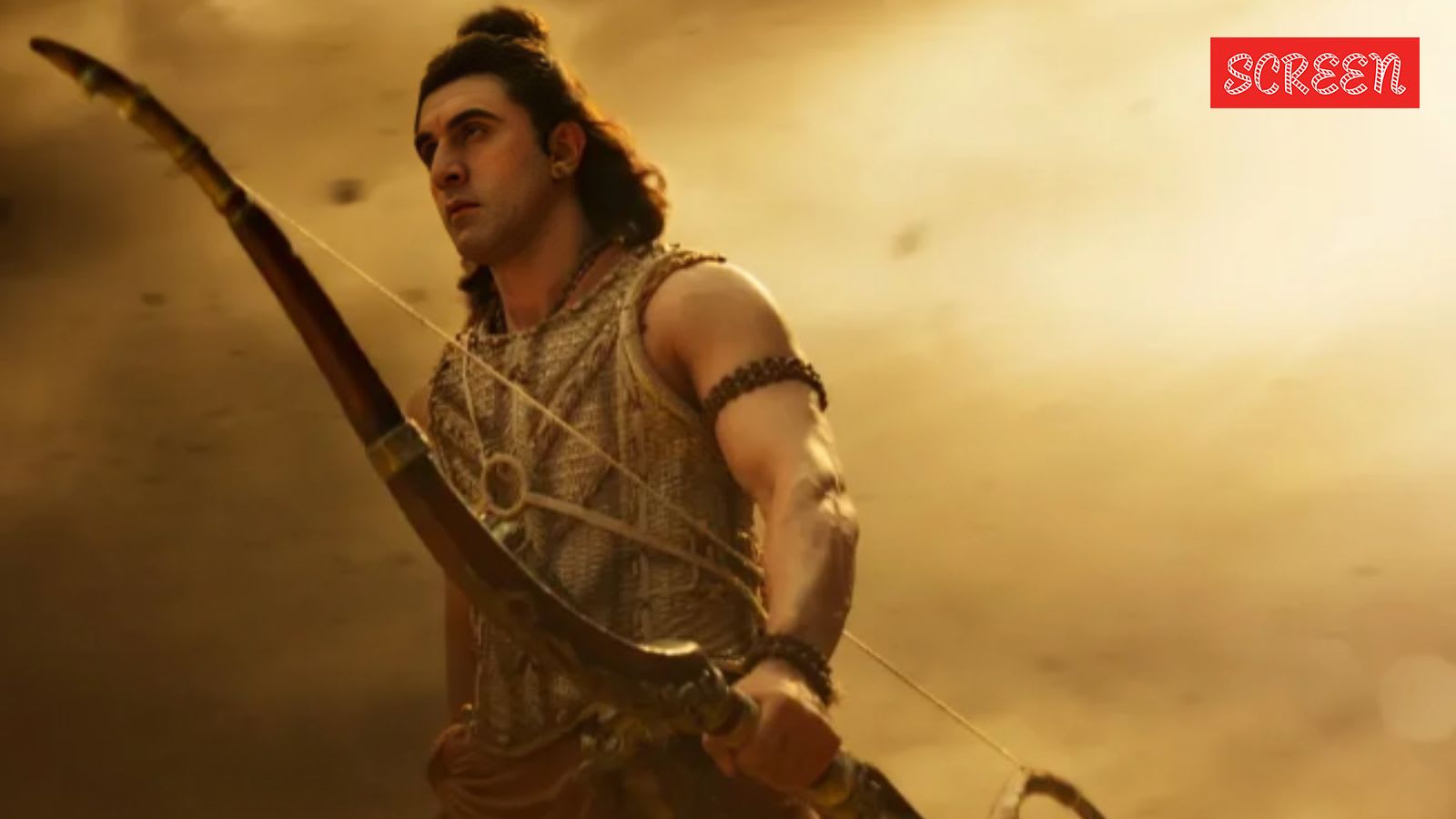
The makers of Nitesh Tiwari's epic cinematic adaptation, 'Ramayana: Part 1', have officially announced the release date for the film's trailer, featuring a star-studded cast including Ranbir Kapoor, Sai Pallavi, and Yash.
The Dawn of a Cinematic Epic: Analyzing the 'Ramayana: Part 1' Trailer Announcement
The announcement of the trailer release date for Nitesh Tiwari's Ramayana: Part 1 marks a pivotal moment in contemporary Indian cinema. For months, the project has been shrouded in secrecy and intense speculation, making this official update a significant event for both the film industry and the general public. The film aims to bring one of the world's most revered epics to the big screen with modern sensibilities, and the anticipation surrounding the first visual glimpse—the trailer—is a testament to the story's enduring cultural resonance.
Strategic Casting and Pan-India Appeal
One of the most discussed aspects of this production is its casting strategy. By casting Ranbir Kapoor as Lord Ram, the makers are leveraging one of Bollywood's most versatile actors to bring a blend of serenity and strength to the protagonist. The inclusion of Sai Pallavi as Sita is a masterstroke in casting; known for her natural acting style and immense popularity in South Indian cinema, she brings an authenticity and grace that is essential for the role. Furthermore, the casting of Yash (of KGF fame) as Ravana ensures a powerhouse performance for the antagonist and guarantees a massive draw from the Kannada-speaking markets. This 'Pan-India' approach is a calculated move to unify diverse regional audiences under one cinematic experience.
Nitesh Tiwari's Directorial Vision
Director Nitesh Tiwari, who previously achieved critical and commercial success with Dangal, is known for his ability to balance grounded human emotions with grand narratives. His transition to a mythological epic suggests a desire to move away from the overly stylized tropes of older mythological films and instead focus on a more nuanced, character-driven retelling. The industry expects Tiwari to implement cutting-edge VFX and production design to recreate the ancient world, ensuring that the scale of the film matches the magnitude of the source material while maintaining a sense of emotional intimacy.
Navigating Cultural Sensitivity and Expectation
Adapting the Ramayana is an exercise in high-stakes storytelling. Given the deep religious and spiritual significance of the text, the filmmakers face the daunting task of balancing creative interpretation with traditional reverence. Any deviation from the established narrative can lead to significant public discourse. Therefore, the upcoming trailer will serve as the first 'litmus test' for the public's reception. The makers must carefully curate the visuals and dialogue to signal respect for the epic's sanctity while promising a fresh, cinematic perspective that appeals to a younger, globalized generation.
Broader Implications for the Indian Film Industry
The success of Ramayana: Part 1 could signal a renewed era of high-budget mythological storytelling in India. In recent years, there has been a visible trend of returning to indigenous roots and folklore to create 'spectacle cinema' that can compete with global franchises. If Tiwari succeeds in delivering a visually stunning and emotionally resonant epic, it will likely pave the way for more ambitious adaptations of ancient texts, encouraging studios to invest in high-concept historical and mythological dramas that leverage state-of-the-art technology.
Conclusion
In summary, the announcement of the trailer release date for Ramayana: Part 1 is more than just a marketing beat; it is the beginning of a massive cultural event. With a strategic cast, a capable director, and a story that is woven into the fabric of millions of lives, the film is positioned to be a landmark in Indian cinema. As the industry awaits the trailer, the focus remains on whether the production can successfully translate the timeless wisdom and grandeur of the Ramayana into a modern cinematic language.