Flagging church attacks, AAP’s Sanjay Singh writes to PM Narendra Modi
Source Entity
The Indian Express
Intelligence Synthesis
AI-Generated Core Insights
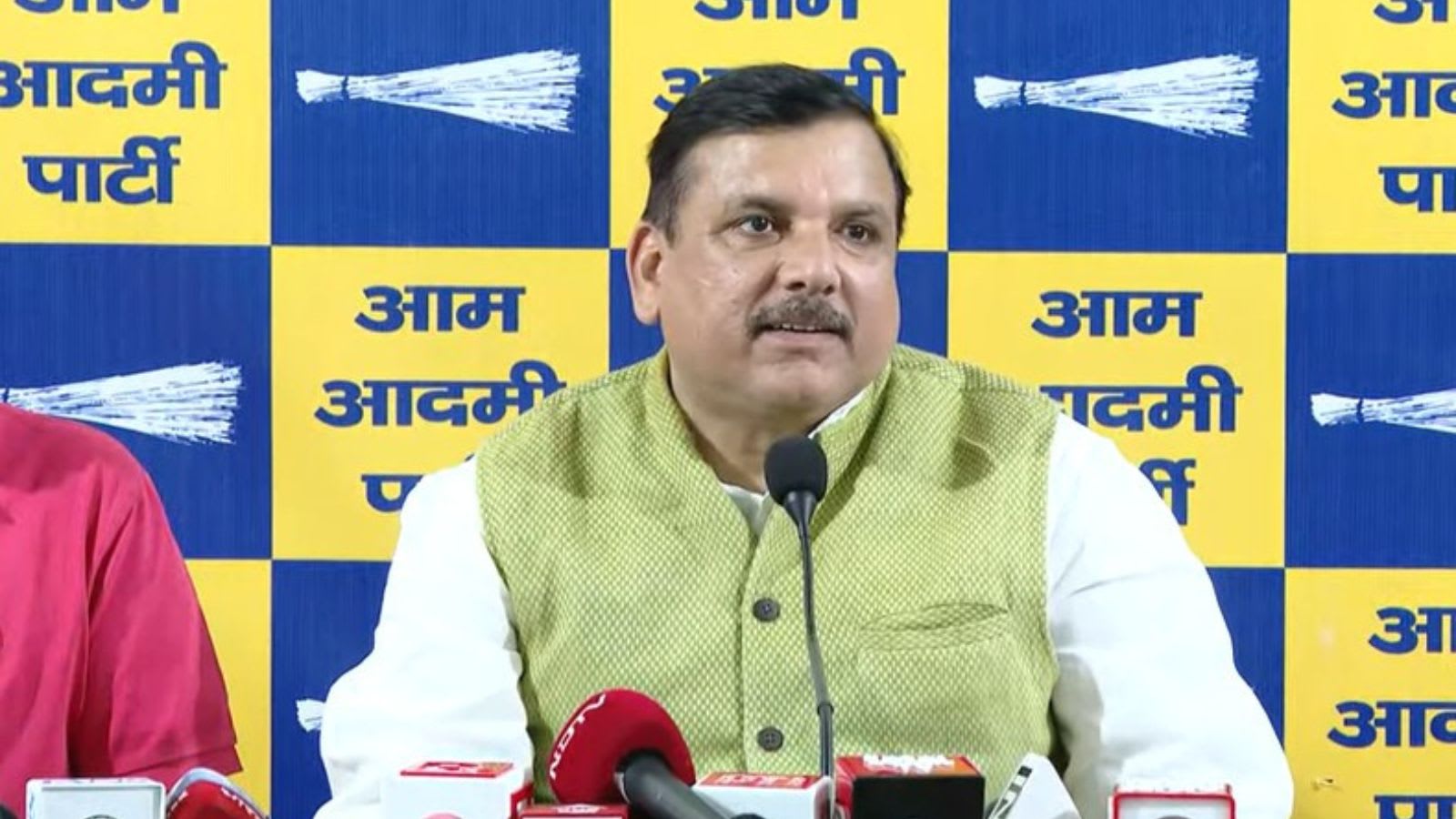
AAP leader Sanjay Singh has written a formal letter to Prime Minister Narendra Modi, expressing grave concern over the rising frequency of attacks targeting churches, Christian institutions, and members of the Christian community across India.
Analysis of AAP's Appeal Against Religious Violence
In a significant political move, Sanjay Singh, a prominent leader of the Aam Aadmi Party (AAP), has formally addressed Prime Minister Narendra Modi to highlight a disturbing trend of violence and harassment directed at the Christian community in India. The letter serves as a formal grievance, flagging the increasing attacks on churches, religious institutions, and pastors. This action underscores a growing friction between the opposition's narrative of inclusive secularism and the current sociopolitical climate, positioning the protection of minority rights as a critical point of contention in the national discourse.
The Scope of the Concern
The core of Singh's communication focuses on the systemic nature of these attacks. By mentioning not just individual members of the community but also "Christian institutions" and "pastors," the appeal suggests that the violence is not merely sporadic or isolated, but rather targeted at the structural foundations of the faith's presence in India. Such attacks often involve the vandalism of property or physical assaults, which create an atmosphere of fear and insecurity. This specific focus on institutions indicates a concern that the infrastructure of religious practice is being deliberately undermined.
Sociopolitical Context and Religious Freedom
To understand the weight of this letter, one must consider the broader context of religious freedom in India. The Indian Constitution guarantees the right to profess, practice, and propagate religion. However, in recent years, there have been numerous reports of communal tensions and allegations of forced conversions, which often serve as triggers for vigilante actions against minority groups. By writing directly to the Prime Minister, Sanjay Singh is reminding the executive branch of its constitutional obligation to maintain law and order and protect all citizens regardless of their faith, suggesting that current state mechanisms may be insufficient or indifferent.
Political Implications for the AAP
From a strategic political perspective, the Aam Aadmi Party is positioning itself as a champion of marginalized and minority communities. By taking up the cause of the Christian community, AAP seeks to broaden its appeal and contrast its governance philosophy with that of the ruling Bharatiya Janata Party (BJP). This move allows the party to frame the current administration as failing in its duty to protect the pluralistic fabric of the nation. It is a calculated effort to gain traction among minority voters and human rights advocates who are concerned about the rise of religious polarization.
Broader Implications and International Scrutiny
The escalation of such reports, and the subsequent political outcry, often draws the attention of international human rights organizations and foreign governments. Persistent reports of attacks on religious minorities can impact India's global image as the "world's largest democracy." If the concerns raised by leaders like Sanjay Singh are not addressed through transparent investigations and legal accountability, it may lead to increased diplomatic pressure and critical reports from global bodies regarding the state of religious liberty in the country.
Conclusion and Future Outlook
In summary, Sanjay Singh's letter to PM Modi is more than a simple administrative request; it is a political signal regarding the fragility of communal harmony. The outcome of this appeal—whether it results in a government response, a policy shift, or remains an ignored grievance—will likely dictate the intensity of future protests and parliamentary debates on the subject. Moving forward, the trend suggests a deepening divide in how the Indian state and its opposition view the balance between majority cultural identity and minority protections, making this a pivotal issue for upcoming electoral cycles.