Shobha Karandlaje urges Amit Shah to halt Karnataka permanent residence certificate rollout
Source Entity
The Indian Express
Intelligence Synthesis
AI-Generated Core Insights
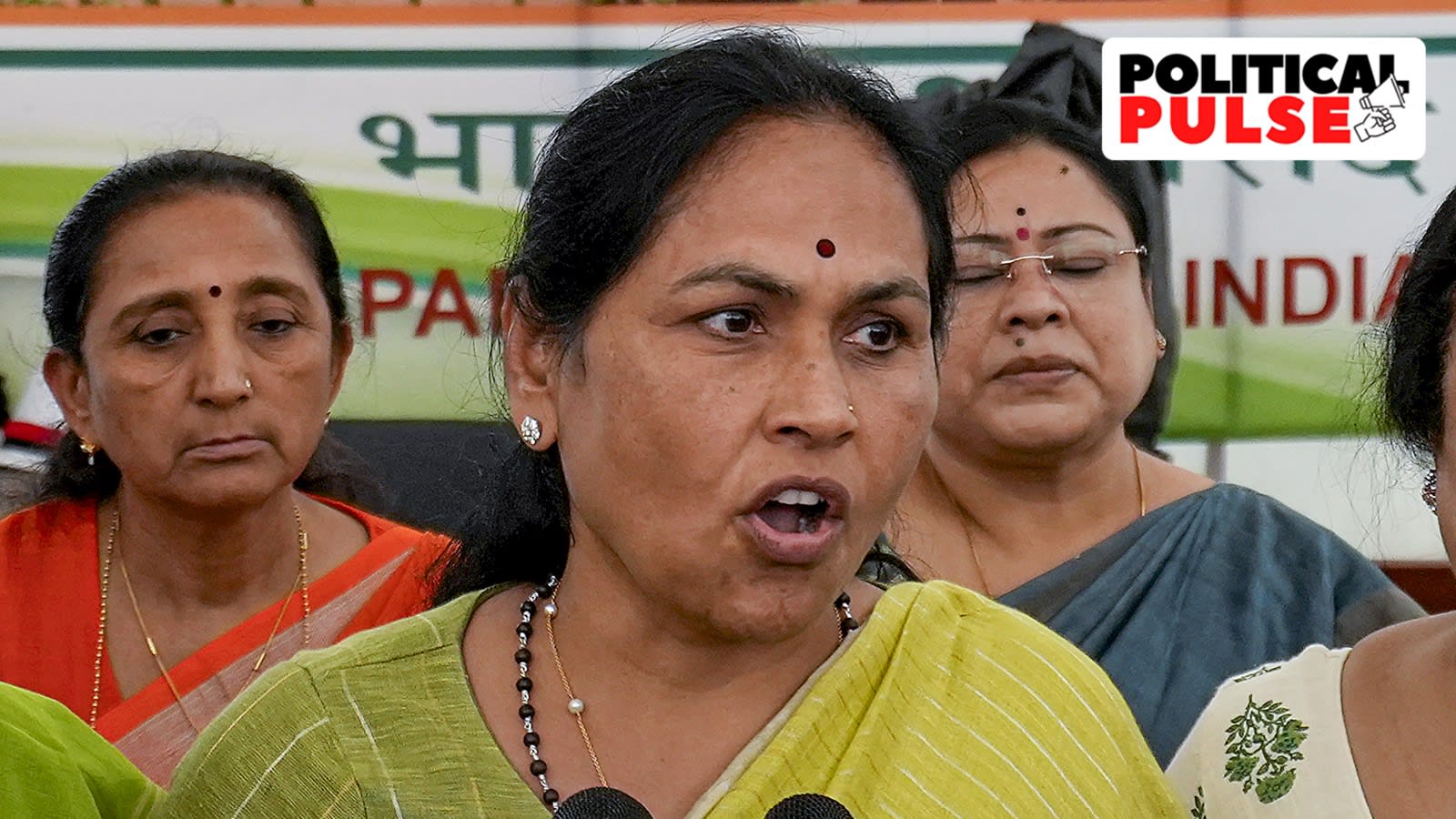
Union Minister Shobha Karandlaje has formally requested Home Minister Amit Shah to intervene and halt the Karnataka government's plan to implement Permanent Residence Certificates (PRC) for long-term residents, sparking a political debate over residency and rights.
Political Standoff Over Karnataka's Permanent Residence Certificates
In a significant political development, Union Minister Shobha Karandlaje has called upon Union Home Minister Amit Shah to intervene and stop the Karnataka state government's move to introduce Permanent Residence Certificates (PRC). This request underscores a deepening rift between the central leadership's representatives and the state administration regarding the definition of residency and the subsequent allocation of state-specific benefits. The core of the issue lies in how the state identifies 'permanent residents,' a process that often carries heavy political and socio-economic weight in a diverse state like Karnataka.
The Mechanics and Controversy of the PRC
Permanent Residence Certificates (PRC) are administrative documents used to establish a person's long-term connection to a specific state. While ostensibly a bureaucratic tool, the rollout of such certificates often triggers intense debate over 'sons of the soil' policies. In Karnataka, these certificates are typically linked to eligibility for government employment quotas, admissions into professional educational institutions, and certain land-ownership rights. By seeking to expand or redefine who qualifies as a permanent resident, the state government risks alienating various demographic groups or creating new categories of 'outsiders' and 'insiders,' which Karandlaje suggests could lead to instability.
Political Dynamics: BJP vs. State Administration
The intervention of Shobha Karandlaje, a prominent figure in Karnataka politics and a Union Minister, signals that the BJP views this move as a potential point of contention. By involving Amit Shah, the Home Minister, Karandlaje is elevating a state-level administrative decision to a matter of national security or federal concern. This move is likely a strategic attempt to check the state government's authority and ensure that residency criteria do not unfairly disadvantage specific voting blocs or contradict broader national guidelines on migration and citizenship.
Socio-Economic Implications and Migrant Rights
If the PRC rollout proceeds, the implications for long-term residents who may lack traditional documentation could be severe. Many individuals who have lived, worked, and contributed to Karnataka's economy for decades may find themselves excluded from state benefits if the criteria for 'permanency' are too rigid or politically skewed. This creates a precarious environment for the migrant workforce and those from bordering states, potentially leading to legal challenges in the High Court regarding the fundamental right to move and reside anywhere within the territory of India, as guaranteed by the Constitution.
Historical Context of Domicile Disputes
Karnataka has a long history of debates surrounding the 'Kannadiga' identity and the protection of local interests. From the agitation for the unification of Karnataka to modern-day disputes over job reservations for locals, the tension between regionalism and cosmopolitanism is a recurring theme. The PRC issue is the latest iteration of this struggle. Historically, whenever residency requirements are tightened, it results in a surge of regionalist sentiment, which political parties often leverage to consolidate their base. Karandlaje's appeal to the Center suggests a fear that the current rollout could be manipulated for such political gains.
Future Trends and Potential Outcomes
Looking forward, this conflict is likely to evolve into a legal battle. If the Union Home Ministry does not intervene, the opposition is expected to challenge the PRC guidelines in court, arguing that they are discriminatory or unconstitutional. We can expect an increase in the rhetoric surrounding 'local rights' versus 'national integration' as the state elections approach. The resolution of this standoff will likely depend on whether the state government is willing to refine its criteria to be more inclusive or if the Central government decides to exercise its influence to standardize residency norms across states.
Summary
The request by Shobha Karandlaje to Amit Shah highlights the volatility of residency-based certification in Karnataka. By challenging the PRC rollout, the Union Minister is tapping into a complex web of regional identity, constitutional rights, and political strategy, ensuring that the definition of a 'permanent resident' remains a central point of contention in the state's political landscape.