Speedy completion of UAPA trials a challenge, says CJI Suryakant
Source Entity
DHANANJAY MAHAPATRA
Intelligence Synthesis
AI-Generated Core Insights
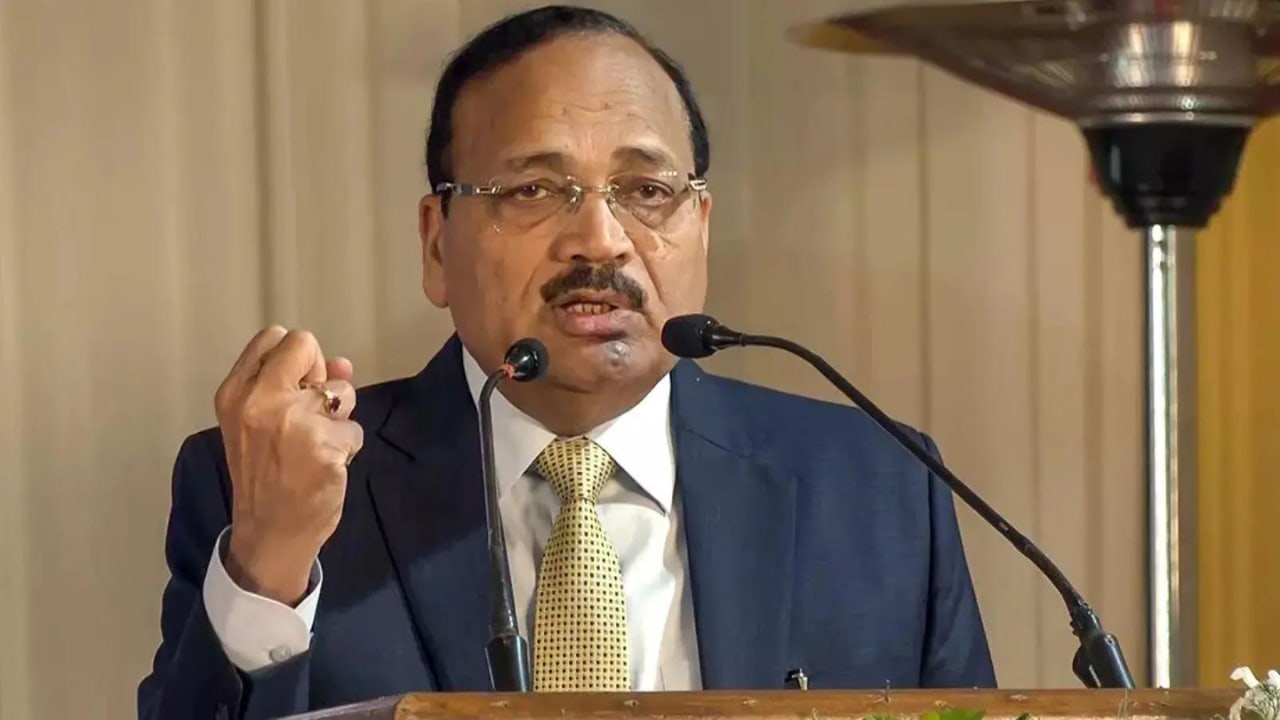
Chief Justice of India Suryakant has highlighted the significant challenges in ensuring the speedy completion of trials under the Unlawful Activities (Prevention) Act (UAPA), noting that the establishment of special courts is a vital step toward addressing these judicial delays.
Addressing the Judicial Bottleneck: CJI Suryakant on UAPA Trials
The Complexity of Anti-Terror Litigation
The Unlawful Activities (Prevention) Act (UAPA) stands as one of India's most stringent pieces of legislation, designed to combat terrorism and activities that threaten national sovereignty. However, the very nature of these cases—involving complex evidence, sensitive intelligence, and high-stakes national security concerns—presents a unique set of challenges for the judiciary. Chief Justice of India (CJI) Suryakant recently underscored these difficulties, noting that the speedy completion of trials under this act remains a significant hurdle for the legal system.
The Burden of Delayed Justice
One of the primary concerns in UAPA-related litigation is the prolonged duration of trials, which can lead to extended periods of pre-trial detention. The stringent bail provisions within the UAPA often make it difficult for accused individuals to secure release, making the speed of the trial a critical component of the constitutional right to liberty. When trials drag on for years, it places an immense burden on both the accused and the judicial infrastructure, highlighting a persistent tension between the state's need for thorough investigation and the mandate for a timely trial.
Special Courts as a Structural Solution
To mitigate these delays, the judiciary has leaned toward the implementation of special courts. As noted by CJI Suryakant, the establishment of these dedicated judicial bodies is a vital step in addressing the procedural bottlenecks inherent in terrorism cases. Special courts are designed to handle specific types of offenses, allowing for more concentrated judicial attention, specialized procedural handling, and, ideally, a more streamlined evidentiary process that is not bogged down by the massive general backlog found in standard criminal and civil courts.
Historical Context of Judicial Reform
The push for specialized courts is not a new phenomenon in the Indian legal landscape but rather an evolution of long-standing efforts to manage judicial pendency. Historically, India has introduced various special acts and dedicated tribunals to handle matters ranging from economic offenses to narcotics. The current focus on UAPA trials reflects a broader systemic recognition that generalist courts may struggle with the specialized evidentiary requirements and the sheer gravity of anti-terror litigation, necessitating a more segmented and focused approach to justice.
Future Trends in Judicial Efficiency
Looking ahead, the effectiveness of special courts in expediting UAPA trials will likely depend on sustained institutional support, adequate staffing, and consistent resource allocation. Future trends suggest a move toward greater digitalization of court proceedings and the potential for more specialized training for judges handling high-security cases. If the implementation of special courts succeeds, it could serve as a blueprint for handling other complex, high-impact legal frameworks that currently face significant delays due to their specialized nature.
Conclusion
In summary, the remarks by CJI Suryakant highlight a critical intersection of national security and judicial efficiency. While the UAPA is considered essential for maintaining national order, the judicial process must evolve to ensure that the pursuit of security does not result in indefinite delays. The strategic deployment of special courts represents a significant, though challenging, path forward in balancing the complexities of anti-terror law with the fundamental requirement of a speedy trial.