Why more people are choosing Tai Chi walking for better health
Source Entity
The Indian Express
Intelligence Synthesis
AI-Generated Core Insights
Dr. Palaniappan Manickam is promoting Tai Chi walking as an effective method for integrating meditation into daily physical activity to improve balance and overall wellness.
The Rise of Mindful Movement: Analyzing the Benefits of Tai Chi Walking
In an era dominated by high-intensity interval training and fast-paced fitness regimes, a growing movement toward "slow exercise" is gaining traction. Recently, gastroenterologist Dr. Palaniappan Manickam highlighted the practice of Tai Chi walking, describing it as a powerful tool for those seeking to merge physical activity with mental clarity. By advocating for this practice, Dr. Manickam is tapping into a broader medical trend that emphasizes the synergy between the mind and body, suggesting that movement does not always need to be strenuous to be profoundly beneficial to one's health.
The Mechanics of Tai Chi Walking
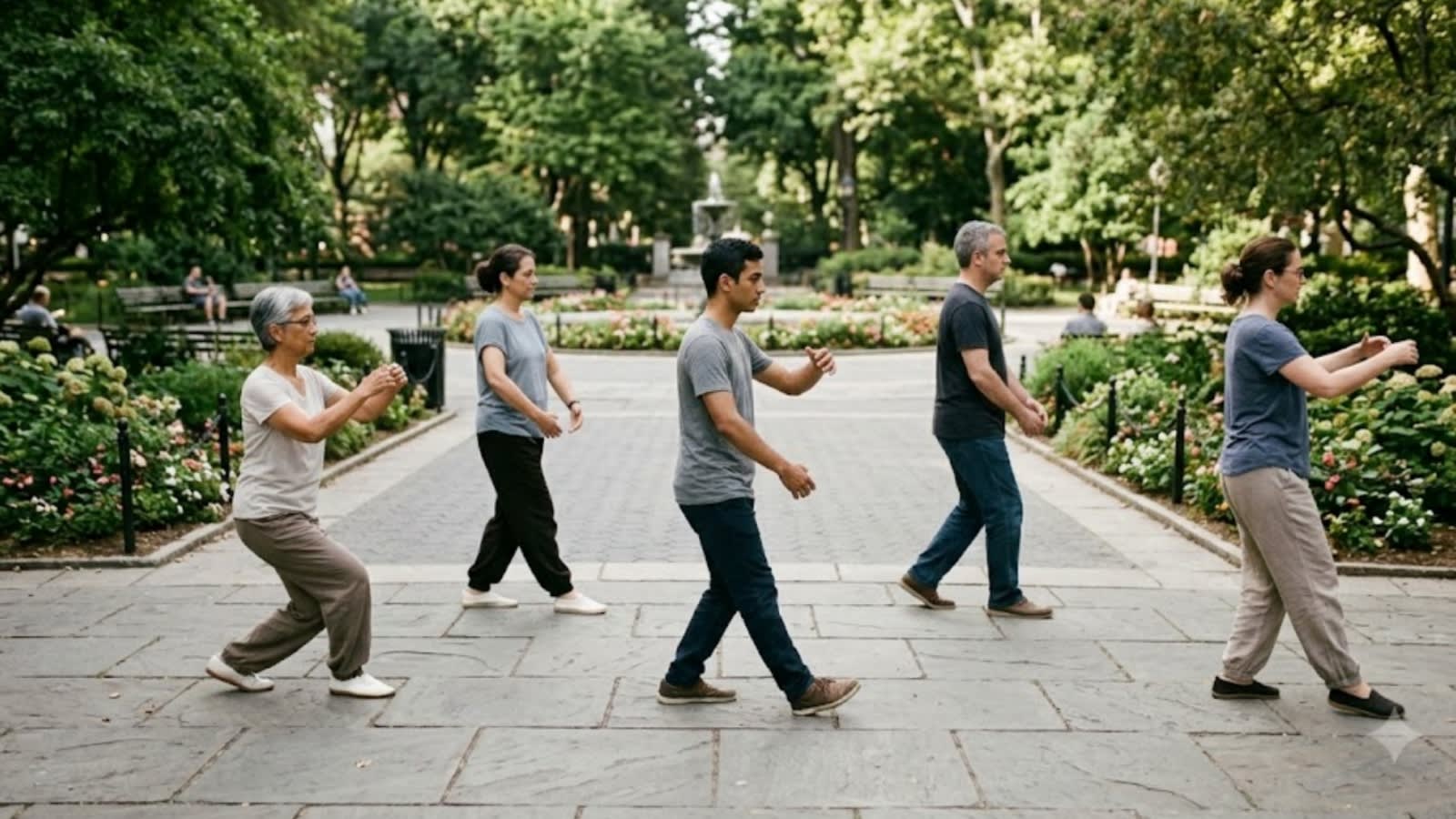
Tai Chi walking is a derivative of Tai Chi Chuan, a traditional Chinese martial art known for its slow, flowing movements. Unlike a standard brisk walk, Tai Chi walking involves a deliberate shift of weight, precise foot placement, and a synchronized breathing pattern. This mindful approach transforms a mundane activity into a form of "moving meditation." By focusing on the sensation of the foot meeting the ground and the alignment of the spine, practitioners can lower their cortisol levels and enter a state of flow, which reduces stress and anxiety while maintaining physical activity.
Enhancing Balance and Proprioception
One of the primary clinical benefits mentioned by Dr. Manickam is the improvement of balance. From a physiological perspective, Tai Chi walking enhances proprioception—the body's ability to sense its position in space. This is achieved through the slow, controlled transfer of weight from one leg to another, which strengthens the stabilizing muscles in the ankles, knees, and hips. For aging populations, this is particularly critical, as improved balance significantly reduces the risk of falls and subsequent fractures, thereby increasing independence and quality of life in later years.
The Intersection of Medicine and Holistic Wellness
It is noteworthy that a gastroenterologist, a specialist in the digestive system, is promoting a practice like Tai Chi walking. This reflects a holistic approach to medicine where specialists recognize the "gut-brain axis." Stress and anxiety are known to exacerbate gastrointestinal issues, such as Irritable Bowel Syndrome (IBS). By promoting a practice that lowers stress through meditation and gentle movement, medical professionals like Dr. Manickam are addressing the root causes of systemic health issues rather than just treating the symptoms, bridging the gap between clinical medicine and integrative wellness.
Contrasting with Modern Fitness Paradigms
For decades, the prevailing health narrative has focused on "burning calories" and achieving high heart rates. While cardiovascular exercise remains essential, the shift toward Tai Chi walking represents a necessary correction. This practice acknowledges that the nervous system requires periods of downregulation to recover from the chronic stress of modern urban living. By prioritizing grace, intention, and breath over speed and intensity, Tai Chi walking offers a sustainable form of exercise that is accessible to individuals of all fitness levels, regardless of age or physical limitation.
Future Trends in Integrative Health
Looking forward, it is likely that we will see a broader integration of these mindful movement practices into standard preventative healthcare. As the global population ages and the prevalence of mental health struggles increases, the demand for low-impact, high-reward activities will grow. We can expect to see more healthcare providers prescribing "mindful movement" alongside traditional medication, treating balance and mental stillness as vital signs of overall health just as important as blood pressure or cholesterol levels.
Conclusion
Dr. Palaniappan Manickam's endorsement of Tai Chi walking serves as a reminder that health is not merely the absence of disease, but a state of harmony between the physical and mental selves. By combining the meditative aspects of Tai Chi with the simplicity of walking, individuals can improve their balance, reduce their stress, and cultivate a deeper connection with their bodies. As this practice becomes more mainstream, it promises to offer a gentle yet effective path toward longevity and holistic well-being.