Trump admin eases export controls for UAE; Warren blasts 'corrupt' provision
Source Entity
US Top News and Analysis
Intelligence Synthesis
AI-Generated Core Insights
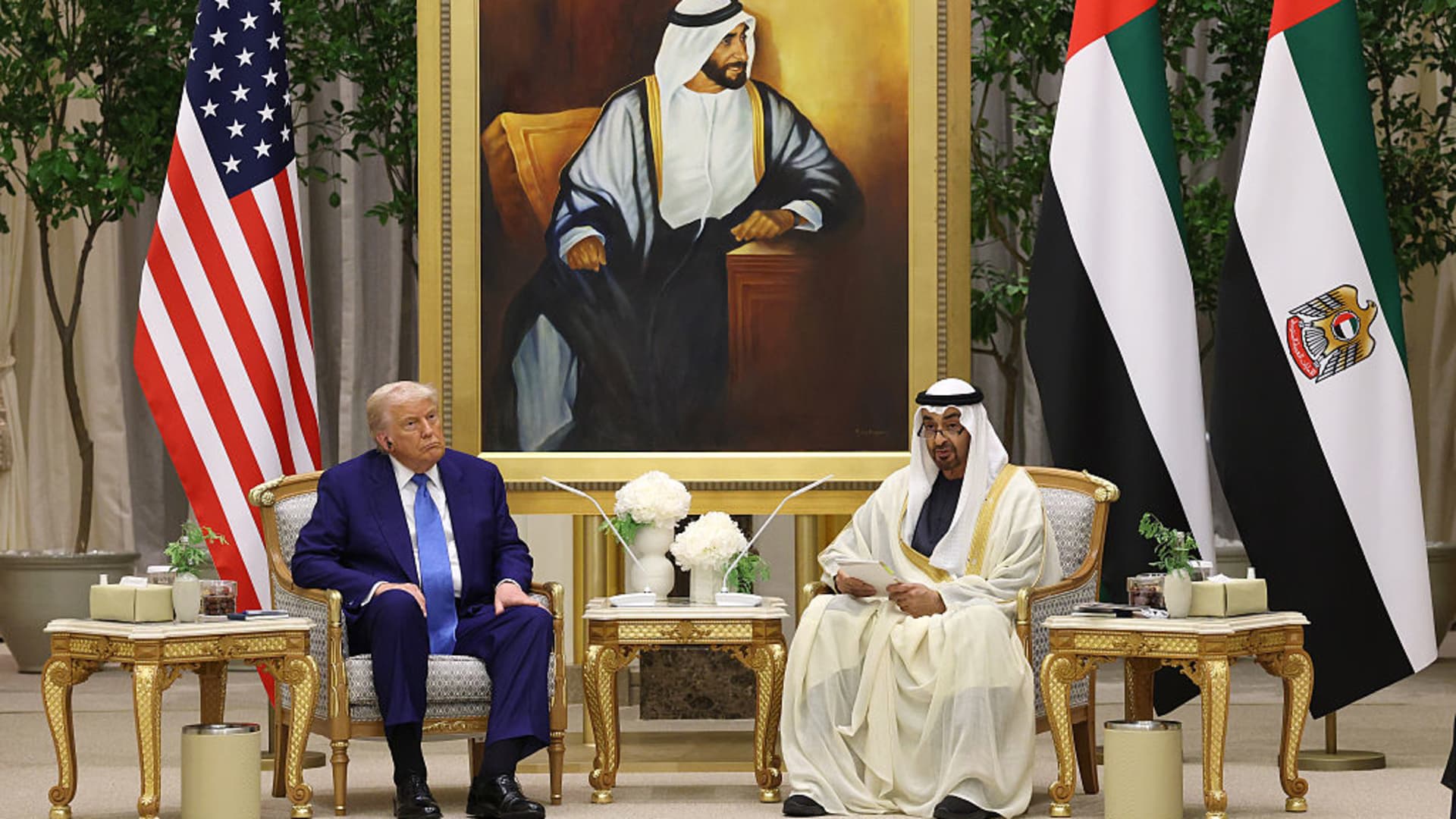
The Trump administration has eased export controls for the UAE, specifically granting favorable review to MGX. This move has drawn sharp criticism from Senator Elizabeth Warren, who alleges corruption due to MGX's $2B Binance investment utilizing a stablecoin linked to the Trump family.
Geopolitical Leverage and the Easing of Export Controls
The decision by the Trump administration to ease export controls for the United Arab Emirates (UAE), specifically regarding the entity MGX, represents a significant shift in the intersection of national security and foreign diplomacy. Export controls are traditionally utilized by the U.S. Commerce Department to prevent sensitive dual-use technologies—particularly in the realms of artificial intelligence, semiconductors, and quantum computing—from falling into the hands of strategic adversaries. By granting MGX a "favorable review" process, the administration is effectively signaling a high level of trust in the UAE's ability to manage these technologies, potentially accelerating the UAE's ambition to become a global hub for advanced technology.
The Financial Nexus: MGX, Binance, and Stablecoins
At the heart of this controversy is the financial architecture supporting MGX's operations. The revelation that MGX utilized a stablecoin linked to President Trump's family to facilitate a $2 billion investment into Binance adds a layer of complexity that transcends simple trade policy. Stablecoins, which are digital assets pegged to a reserve currency, are often scrutinized for their lack of transparency and regulatory oversight. In this instance, the direct link between a policy-making administration and a private financial instrument used by a foreign entity receiving trade favors creates a perceived loop of mutual benefit. This $2 billion infusion into Binance, one of the world's largest cryptocurrency exchanges, further intertwines U.S. executive policy with the volatile global crypto-economy.
Political Backlash and Allegations of Corruption
Senator Elizabeth Warren's condemnation of the provision as "corrupt" highlights the growing tension between executive discretion in foreign policy and legislative oversight. Warren's critique centers on the concept of a conflict of interest, suggesting that the easing of export controls is not a strategic national security decision, but rather a quid pro quo resulting from financial ties. This narrative aligns with broader historical debates regarding the influence of private wealth on public office. The accusation suggests that the "favorable review" is a reward for financial activities involving the Trump family's stablecoin, thereby undermining the integrity of the Commerce Department's regulatory framework.
Broader Implications for U.S.-UAE Relations
This development underscores the evolving strategic partnership between the United States and the UAE. As the UAE seeks to diversify its economy away from oil, investment in high-tech infrastructure via firms like MGX is critical. However, tying these strategic advancements to personalized financial instruments risks politicizing the bilateral relationship. If export controls are viewed as negotiable based on financial affiliations rather than security benchmarks, it could set a precedent that other Gulf nations or global partners may attempt to leverage, potentially weakening the overall efficacy of U.S. technology safeguards.
Future Trends and Regulatory Outlook
Looking forward, this event is likely to trigger increased scrutiny of the nexus between digital assets and foreign diplomacy. We can expect Senator Warren and her allies to push for more stringent disclosure requirements for stablecoins and other crypto-assets linked to political figures. Furthermore, the Commerce Department may face increased pressure from Congress to standardize the "favorable review" process to ensure that no single entity receives preferential treatment based on non-security criteria. The long-term trend suggests a collision course between the rapid innovation of DeFi (Decentralized Finance) and the rigid requirements of national security law.
Summary
In essence, the easing of export controls for MGX is more than a trade adjustment; it is a flashpoint for debates over government ethics and the influence of digital finance on foreign policy. While the administration may frame this as a strategic alignment with a key ally, the financial ties to the Trump family and the resulting outcry from political opponents like Elizabeth Warren cast the move in a contentious light, suggesting a blurring of the line between state interests and private gain.