UN Special Rapporteurs flag ‘discrimination’ in SIR exercise, seek government’s response
Source Entity
Damini Nath
Intelligence Synthesis
AI-Generated Core Insights
Three UN Special Rapporteurs have formally contacted the central government to express concerns regarding alleged discrimination against minority communities during the Election Commission's Special Intensive Revision (SIR) of electoral rolls.
UN Experts Raise Alarm Over Electoral Integrity and Minority Rights
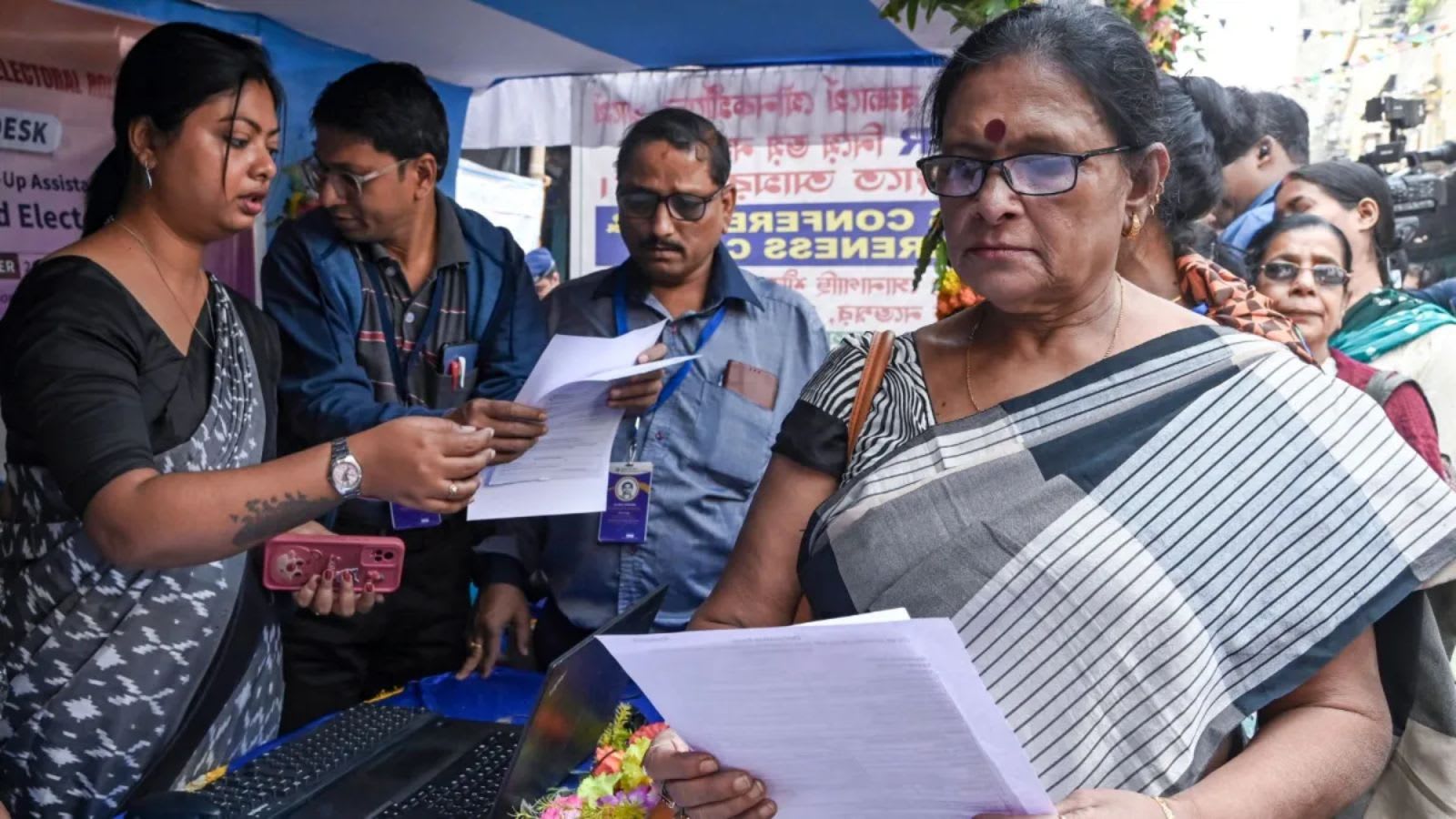
Three United Nations-appointed Special Rapporteurs have formally intervened by writing to the central government to express grave concerns regarding the Special Intensive Revision (SIR) exercise conducted by the Election Commission. The core of the dispute centers on allegations that the process of updating and scrubbing electoral rolls has disproportionately targeted minority communities, leading to potential disenfranchisement. This diplomatic communication signifies a critical intersection between national administrative procedures and international human rights standards, highlighting a tension between state-led electoral maintenance and the protection of fundamental voting rights.
The Mechanics of SIR and the Risk of Disenfranchisement
Special Intensive Revision (SIR) is typically designed as an administrative mechanism to ensure that electoral rolls are accurate, removing deceased voters and correcting clerical errors. However, when such exercises are perceived as discriminatory, they can become tools for systemic exclusion. The Rapporteurs' concerns likely stem from reports that certain demographics are being purged from the lists without due process or adequate notification. In a democratic framework, the accuracy of the voter list is the bedrock of legitimacy; if the 'cleaning' process is biased, it effectively alters the electoral landscape before a single vote is cast, potentially skewing representation in legislative bodies.
The Role of UN Special Rapporteurs in Global Governance
UN Special Rapporteurs are independent experts appointed to monitor and report on specific human rights themes or country-specific situations. Their involvement in the SIR exercise indicates that the allegations have reached a threshold of international concern. By seeking a formal response from the government, the Rapporteurs are leveraging the International Covenant on Civil and Political Rights (ICCPR), which mandates that every citizen should have the right to vote without unreasonable restrictions. This move places the central government under international scrutiny, forcing it to justify its administrative actions against a backdrop of global human rights benchmarks.
Broader Implications for Democratic Legitimacy
Beyond the immediate administrative concerns, this event underscores a broader struggle regarding the definition of citizenship and belonging. When minority groups feel targeted during electoral revisions, it fosters a climate of alienation and distrust in state institutions. The perceived weaponization of bureaucratic processes—such as the SIR—can lead to decreased voter turnout and a crisis of legitimacy for the eventual winners of an election. If a significant portion of the minority population is excluded from the rolls, the resulting government may be viewed as unrepresentative, potentially leading to social instability and increased internal friction.
Historical Context and Comparative Trends
Historically, the manipulation of voter rolls has been a common tactic in various global contexts to marginalize opposition or ethnic minorities. From the 'Jim Crow' era in the United States to various contested elections in the Global South, the 'technical' removal of voters has often served as a proxy for political exclusion. The current scrutiny of the SIR exercise reflects a global trend where international bodies are becoming more vigilant about 'administrative disenfranchisement.' This shift indicates that the world is moving away from simply monitoring election day and toward monitoring the entire electoral lifecycle, including the preparation of voter lists.
Conclusion and Future Outlook
In summary, the intervention by the UN Special Rapporteurs serves as a critical warning regarding the transparency of the Special Intensive Revision process. The central government's response to these queries will be pivotal; a transparent, evidence-based rebuttal or a corrective action plan could restore international confidence. Conversely, a dismissive response may further isolate the administration on the global human rights stage. Moving forward, the implementation of digital, transparent, and verifiable voter registration systems will be essential to prevent such allegations and ensure that the democratic process remains inclusive and equitable for all citizens, regardless of their minority status.