US CBDC ban to go into effect without Trump signoff on housing bill
Source Entity
Cointelegraph by Turner Wright
Intelligence Synthesis
AI-Generated Core Insights
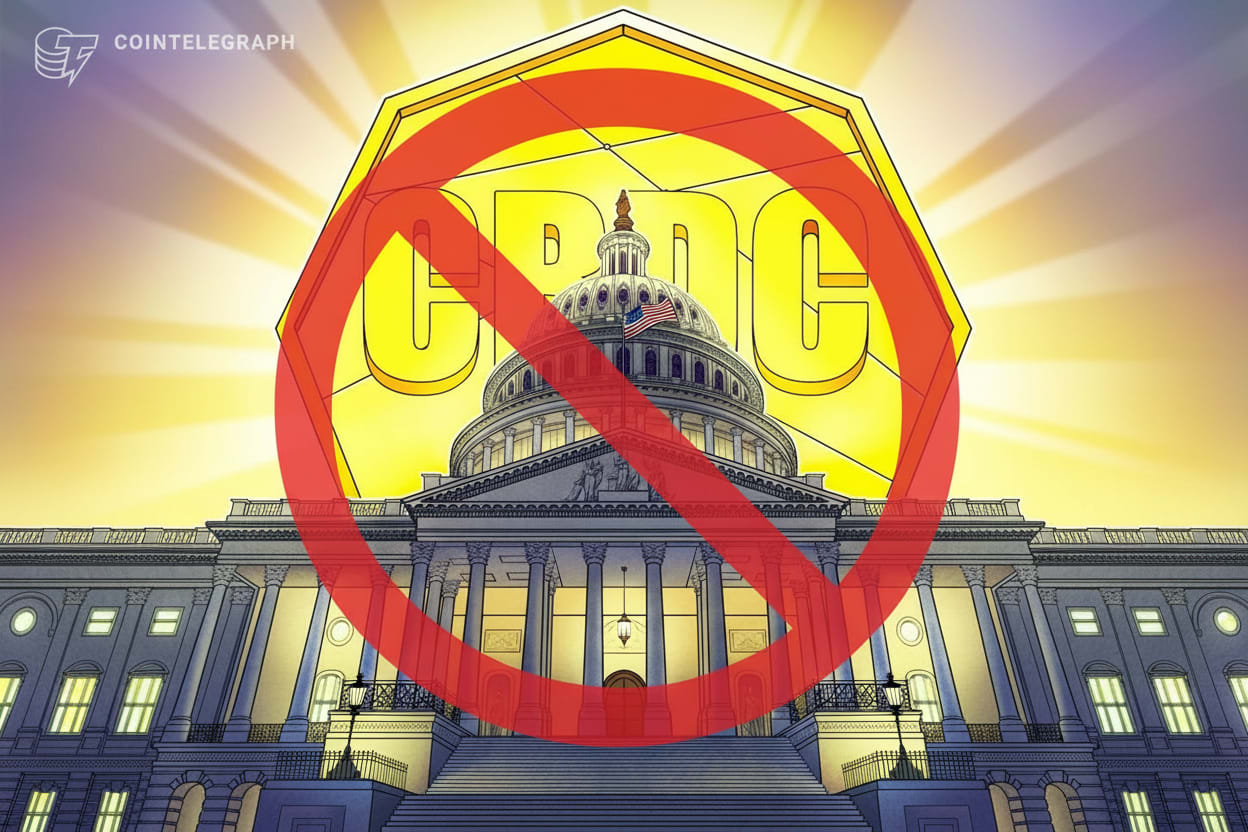
A ban on the creation of a US Central Bank Digital Currency (CBDC) until 2030 is set to become law as part of the 21st Century ROAD to Housing Act, even without Donald Trump's signature.
The Intersection of Housing Reform and Monetary Policy
In a surprising legislative development, the United States is poised to implement a significant restriction on its monetary future through an unlikely vehicle: the 21st Century ROAD to Housing Act. The inclusion of a ban on a Central Bank Digital Currency (CBDC) within a housing bill demonstrates a strategic legislative bundling, where high-priority social policy is paired with contentious financial regulations to ensure passage. By tethering the CBDC ban to housing legislation, lawmakers have effectively ensured that the restriction on the Federal Reserve's digital ambitions becomes a matter of law, regardless of the executive's final signature.
Understanding the CBDC Ban and Its Motivations
A Central Bank Digital Currency is a digital form of a country's sovereign currency, issued and regulated by the central bank. While proponents argue that CBDCs could streamline payments and increase financial inclusion, critics—including many in the current political climate—view them as tools for unprecedented government surveillance. The ban extending until the end of 2030 is a direct response to these privacy concerns. By prohibiting the issuance of a CBDC, the law prevents the government from potentially monitoring individual transactions in real-time or implementing programmable money that could restrict how citizens spend their funds.
The Legislative Mechanism of the "Non-Signoff"
The situation surrounding Donald Trump's decision not to sign the bill highlights a specific facet of the US legislative process. Under the US Constitution, if a president does not sign a bill within ten days (excluding Sundays) while Congress is in session, the bill automatically becomes law without the president's signature. This mechanism allows legislation to move forward even when the executive branch is hesitant or wishes to distance itself from the act's specific provisions. In this instance, the 21st Century ROAD to Housing Act will transition into law on Saturday, cementing the CBDC ban into the federal regulatory framework.
Implications for the Federal Reserve and Financial Innovation
This ban places a significant constraint on the Federal Reserve, which has been exploring the technical feasibility of a digital dollar to maintain the US dollar's status as the global reserve currency in an increasingly digital world. With a legal barrier in place until 2030, the Fed is effectively sidelined from launching a retail CBDC. This creates a vacuum that will likely be filled by private-sector innovations, such as stablecoins and other private digital assets. The move signals a preference for a market-driven digital currency ecosystem rather than a state-managed one, potentially accelerating the growth of the private crypto-asset industry.
Political Context and Strategic Posturing
Donald Trump has been a vocal critic of CBDCs, often framing them as a threat to financial freedom. His decision to not sign the bill, while allowing it to become law, may be a calculated political move. By not explicitly endorsing the bill through a signature, he avoids tying his brand to the specific housing provisions of the act, while still achieving the policy outcome he desires: the prevention of a government-controlled digital currency. This maneuver allows the administration to claim a victory against "surveillance banking" without having to champion the entirety of the housing legislation.
Global Competitive Landscape and Future Outlook
On a global scale, the US is taking a markedly different path than other superpowers. China, for example, has already aggressively rolled out the digital yuan (e-CNY). By banning a CBDC until 2030, the US is prioritizing civil liberties and the existing banking infrastructure over the perceived efficiency of a central bank digital token. However, this creates a long-term strategic question: will the US remain competitive in cross-border settlements if other nations move toward fully integrated digital sovereign currencies?
Summary of Impacts
Ultimately, the enactment of the 21st Century ROAD to Housing Act marks a pivotal moment in US financial history. It establishes a clear timeline—ending in 2030—during which the US government is forbidden from introducing a CBDC. This decision reinforces the primacy of private financial institutions and protects individual transaction privacy, while simultaneously challenging the Federal Reserve to find alternative ways to modernize the American payment system without the use of a sovereign digital token.