A tiny GLP-1 implant is the latest bet to help patients maintain their weight loss
Source Entity
US Top News and Analysis
Intelligence Synthesis
AI-Generated Core Insights
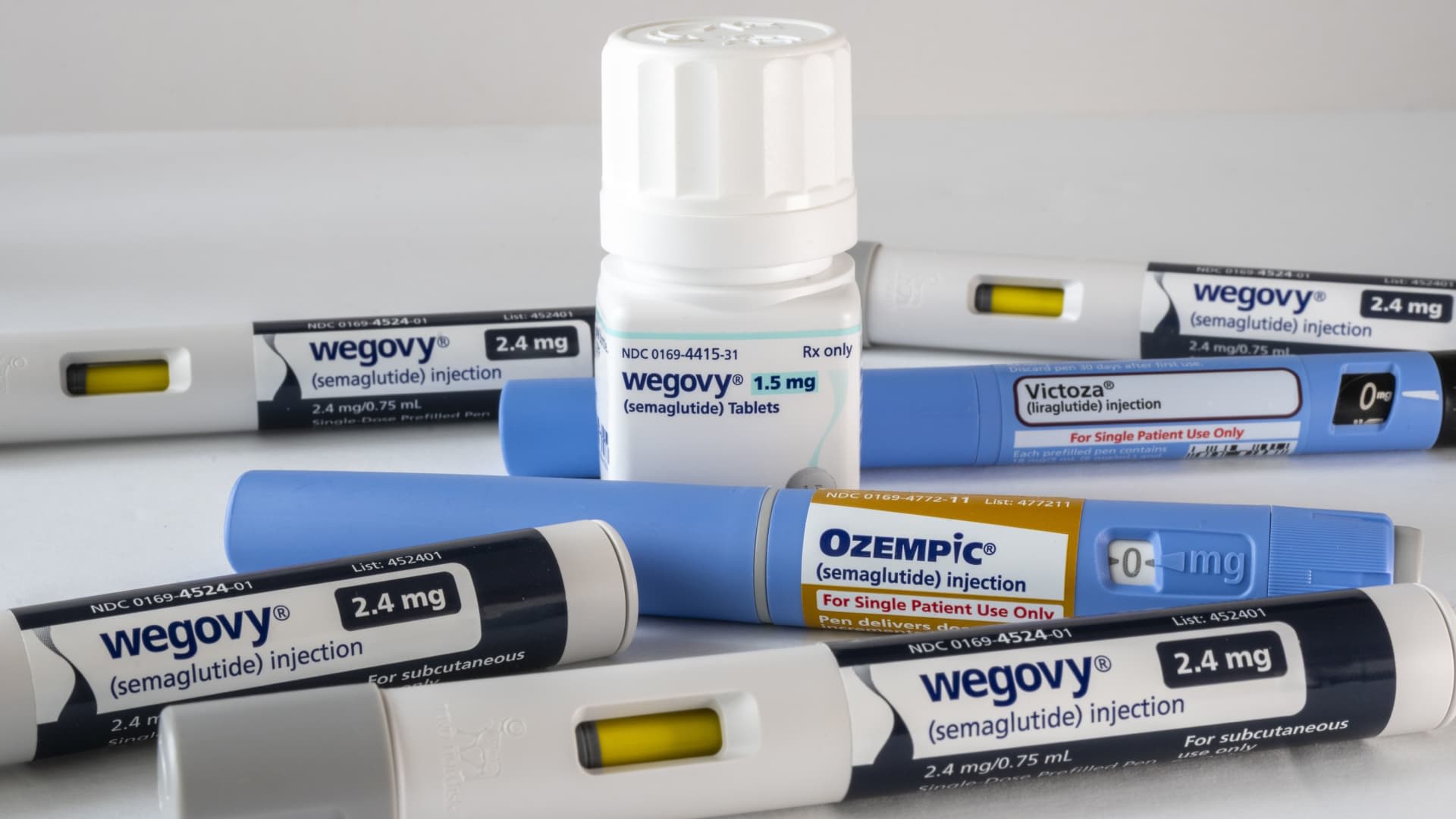
Vivani Medical is developing a tiny implant designed to deliver semaglutide, the active ingredient in Wegovy and Ozempic, offering a long-term alternative to weekly injections for weight loss and diabetes management.
The Next Frontier in Metabolic Health: The GLP-1 Implant
The landscape of obesity and diabetes treatment has been radically transformed by the emergence of GLP-1 (glucagon-like peptide-1) receptor agonists. The recent announcement that Vivani Medical is developing a tiny implant for the delivery of semaglutide—the powerhouse ingredient behind Novo Nordisk's blockbuster drugs Wegovy and Ozempic—represents a potential paradigm shift in how chronic metabolic conditions are managed. By moving away from the traditional injection model toward a sustained-release implant, the medical community is eyeing a future where patient adherence is no longer a primary barrier to long-term success.
Overcoming the Barrier of Injection Fatigue
One of the most significant hurdles in the current administration of semaglutide is "injection fatigue." While weekly subcutaneous injections are far more manageable than daily doses, they still require a level of commitment, storage (refrigeration), and physical discomfort that can lead to patient non-compliance over several years. For a condition like obesity, which is increasingly viewed as a lifelong chronic disease rather than a temporary state, the psychological and logistical burden of lifelong injections is substantial. Vivani Medical's implant seeks to eliminate this friction, providing a "set-and-forget" mechanism that ensures a steady therapeutic dose without the need for weekly intervention.
The Science of Sustained Semaglutide Delivery
Semaglutide works by mimicking a hormone that targets areas of the brain that regulate appetite and food intake. While the current injectable forms create a peak-and-trough cycle of medication in the bloodstream, an implant could theoretically provide a more stable, linear release of the drug. This stability is critical not only for maintaining weight loss but also for mitigating some of the gastrointestinal side effects often associated with the initial "spike" of a weekly dose. By engineering a delivery system that releases the active ingredient slowly over an extended period, Vivani Medical is leveraging pharmacological engineering to optimize the efficacy of an already potent molecule.
Strategic Implications for Chronic Weight Management
A critical challenge with GLP-1 medications is the "rebound effect," where patients regain weight rapidly after discontinuing the drug. The development of an implant suggests a strategic move toward permanent or semi-permanent maintenance therapy. If a patient can maintain a baseline level of semaglutide through a long-term implant, the risk of relapse is significantly reduced. This shifts the clinical goal from short-term weight loss to long-term metabolic stability, potentially reducing the incidence of obesity-related comorbidities such as Type 2 diabetes, hypertension, and cardiovascular disease.
Market Disruption and the Future of Pharmaceutics
The entry of a delivery-focused company like Vivani Medical into the GLP-1 space highlights a growing trend in the pharmaceutical industry: the decoupling of the drug molecule from the delivery mechanism. While Novo Nordisk holds the patents for semaglutide, the development of novel delivery systems can create new intellectual property and market opportunities. This could lead to a future where the "drug" is a standardized commodity, but the "delivery system" (the implant) is the primary value driver. We can expect to see further competition in this space, with other biotech firms attempting to develop similar long-acting implants for other GLP-1 variants or multi-agonist peptides.
Conclusion: Toward a New Standard of Care
Vivani Medical's bet on a semaglutide implant is more than just a convenience upgrade; it is an attempt to institutionalize the treatment of obesity as a manageable, chronic condition. By removing the behavioral burden of weekly injections, the medical field moves closer to a model of preventative health where metabolic regulation is automated. If successful, this technology could set a new standard of care, ensuring that the weight loss achieved through GLP-1 therapy is not just a temporary victory, but a permanent health transformation.