
AI Executive Summary
"This strategic guide outlines the transition of humanoid robotics from lab environments to the high-friction reality of Bengaluru's logistics sector. It emphasizes the necessity of hardware hardening and infrastructure readiness to eliminate industrial bottlenecks."
Logistics in Bengaluru is a war of attrition. Most managers dream of a seamless robotic workforce. This fantasy dies the moment a robot hits a crack in the concrete. Hardware fails. Dust enters the servos. You need a plan that accounts for the grime.
Hardware Prerequisites
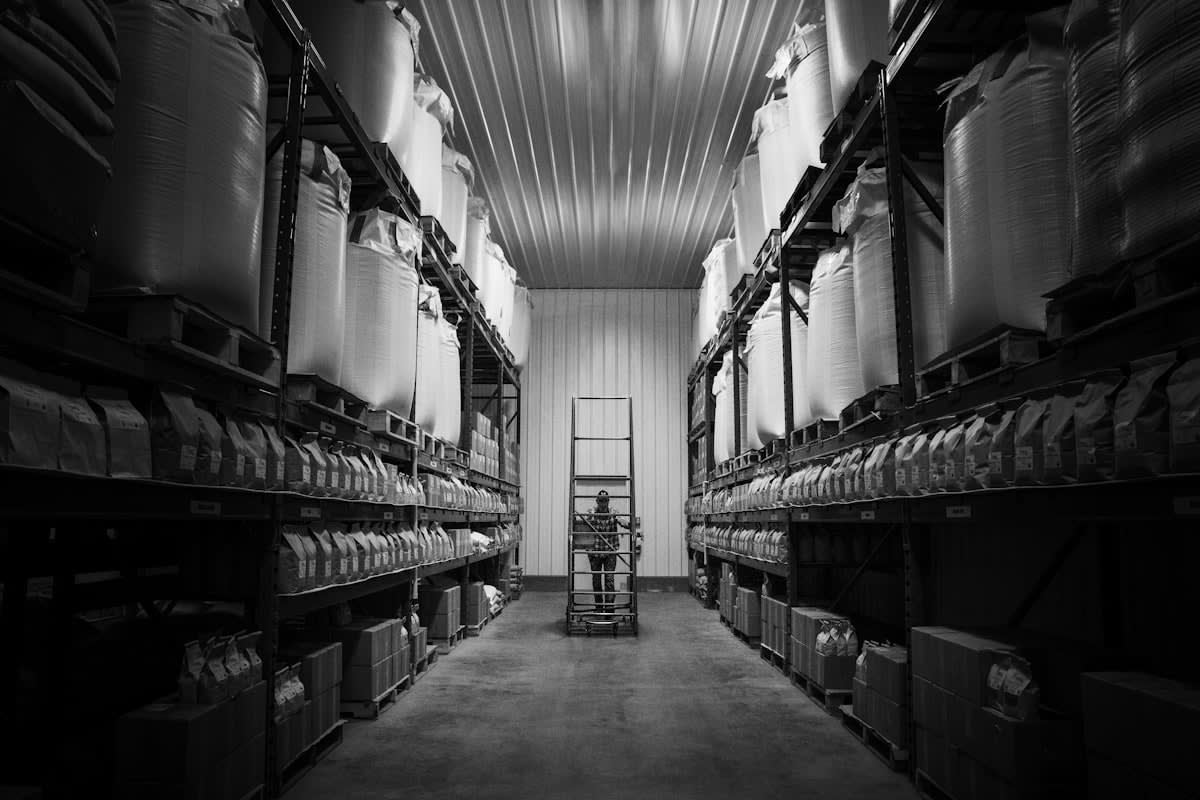
Concrete is the foundation. Potholes in the warehouse floor trip the humanoid's balance sensors. Every dip in the surface requires a corrective torque. This wears out the servos. You must grind the floors flat. Only then can a Figure 03 move without stumbling.
Hardware needs a home. You cannot drop an Apollo 2 into a dirt lot. Leveling the floor is the first expense. High-speed Wi-Fi must reach every corner. Latency kills the coordination between the robot and the warehouse management system. Budget for the infrastructure before the robots.
- Figure 03 humanoid for sorting and sequencing tasks
- Apollo 2 modular AI humanoids for data-heavy training
- Humble Robotics cab-less electric hauling vehicles
- Rockwell FactoryTalk Orchestration software
- Industrial-grade power conditioners to prevent voltage spikes
The Implementation Sequence
- Deploy Figure 03 for parts sorting and sequencing
- Establish a continuous learning loop via Robot Park logic
- Integrate cab-less electric hauling for bulk movement
- Sync movements with AI-powered palletizing orchestration
- Implement WALL foundation models for environmental adaptation
Start with the hardware. Figure 03 is the current benchmark for sorting and sequencing. BMW utilized this model in Spartanburg to replace manual sorting. Most local warehouses lack the precision of a US automotive plant. Dirt clogs the actuators. You will see the robot stutter when the dust settles in the joints.
Data is the fuel. Apptronik built Robot Park in Austin to create a continuous learning loop. This facility allows Apollo 2 to learn from real-world tasks. Bengaluru warehouses are chaotic environments. Robots must experience that chaos to survive. Without a dedicated training loop, your humanoid is just an expensive statue.
"Our 11-month deployment of Figure 02 proved that humanoids are no longer lab experiments - they can be a valuable asset in establishing a flexible, reliable manufacturing workforce."— Brett Adcock, CEO of Figure AI
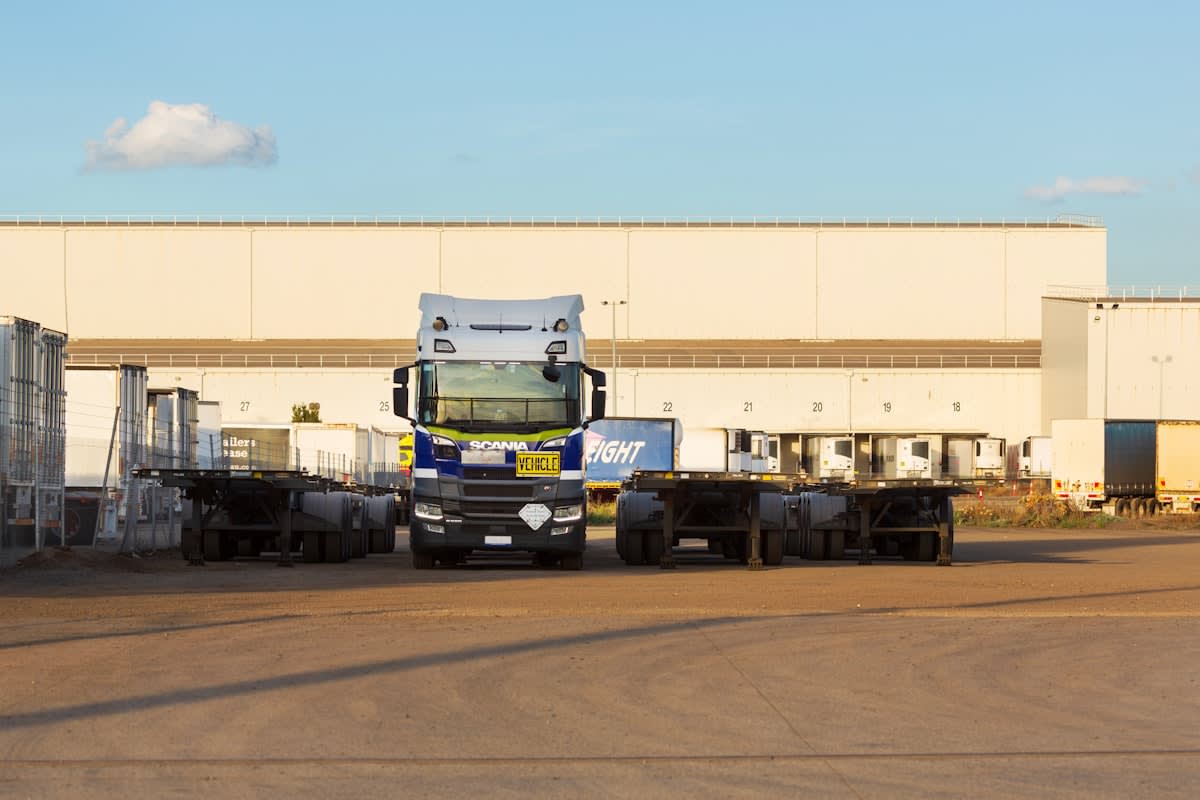
Hauling requires scale. Humble Robotics is building cab-less electric vehicles with $24 million in backing. These machines move the heavy freight that humanoids cannot. Integration means the robot loads the truck. A failure here stops the entire chain. One misalignment results in a crushed pallet and a ruined morning.
Orchestration is the glue. Rockwell Automation uses FactoryTalk to manage the flow of OTTO Motors. ABB adds AI-powered palletizing to the mix. These systems tell the humanoid where to stand. Timing is everything. A three-second lag causes a robot to collide with a moving conveyor.
Intelligence needs a foundation. X Square Robot is spending its RMB20 billion valuation on the WALL foundation models. These models allow a robot to adapt across different physical environments. Logistics centers in India vary wildly in layout. A static script will fail. The QUANXTA Zero Series provides the data infrastructure to fix this.
The Reality Check
Do not confuse a lab demo with a production unit. A robot that can walk on a carpet in a Silicon Valley office will snap its ankle on a Bengaluru warehouse ramp.
| Model | Primary Use Case | Key Strength | Critical Failure Point |
|---|---|---|---|
| Figure 03 | Sorting/Sequencing | Precision Handling | Joint Dust Contamination |
| Apollo 2 | Data Collection | Learning Loop | Thermal Throttling |
| WALL Model | Environmental Adaption | Generalization | High Latency Sync |
Projected Downtime vs. Hardware Hardening
Executive Insight
+18.4%
YTD Growth
The Ugly Reality of Failure
Joints snap under load. Overloading a humanoid leads to immediate mechanical failure. Metal fatigues faster than the manuals claim. Lubricants dry out in the heat. A seized motor turns a productive asset into scrap metal. Repair costs will eat your margins.
Power grids are unreliable. Voltage spikes fry the sensitive electronics in a Figure 03. Bengaluru's electricity is notorious for flickers. One surge can wipe a motherboard. Backup generators are mandatory. Otherwise, you are just buying very heavy paperweights.
Heat is the enemy. Lithium batteries swell when the temperature climbs. A swollen cell can crack the chassis. Cooling systems often fail in high humidity. This leads to thermal throttling. Your robot slows to a crawl just when the volume peaks.