
AI Executive Summary
"This guide provides a critical technical blueprint for safeguarding IoT hardware against the extreme radiant heat and humidity of HCMC's industrial hubs. It outlines the strategic necessity of physical thermal hardening to ensure the long-term reliability of high-cap energy infrastructure."
Prerequisites for Thermal Hardening
- Industrial-grade IP67 aluminum enclosures with integrated heat sinks
- High-conductivity thermal interface materials (minimum 5 W/mK)
- Reflective aluminum foil shielding (minimum 95% reflectivity)
- Active cooling fans with IP5X dust-proof filters
- Thermal sensors with hardware-level interrupt triggers
HCMC is a furnace. Heat does not just slow down the hardware; it kills it. When you examine the 28 MWp rooftop solar installation at the Samsung Electronics HCMC CE Complex, you see a leap in renewable energy. I see a thermal nightmare for any IoT gateway mounted within ten meters of those panels. Humidity turns the air into a conductive soup, while temperatures spike toward limits that would make a server room in Taipei look like a freezer. This environment demands physical shielding, not software patches.
Silicon degrades when the thermal envelope is breached. In HCMC, the combination of 90% humidity and radiant heat from rooftop solar transforms a standard gateway into a brick. You will see the solder joints warp under repeated thermal cycling. This is a physical failure of the board, not a firmware bug. Compare this to the heatwaves in the US, where heat indices hit 115F in New York and Philadelphia, causing dangerous conditions for people. For a gateway, those temperatures combined with stagnant industrial air result in immediate thermal throttling and packet loss.
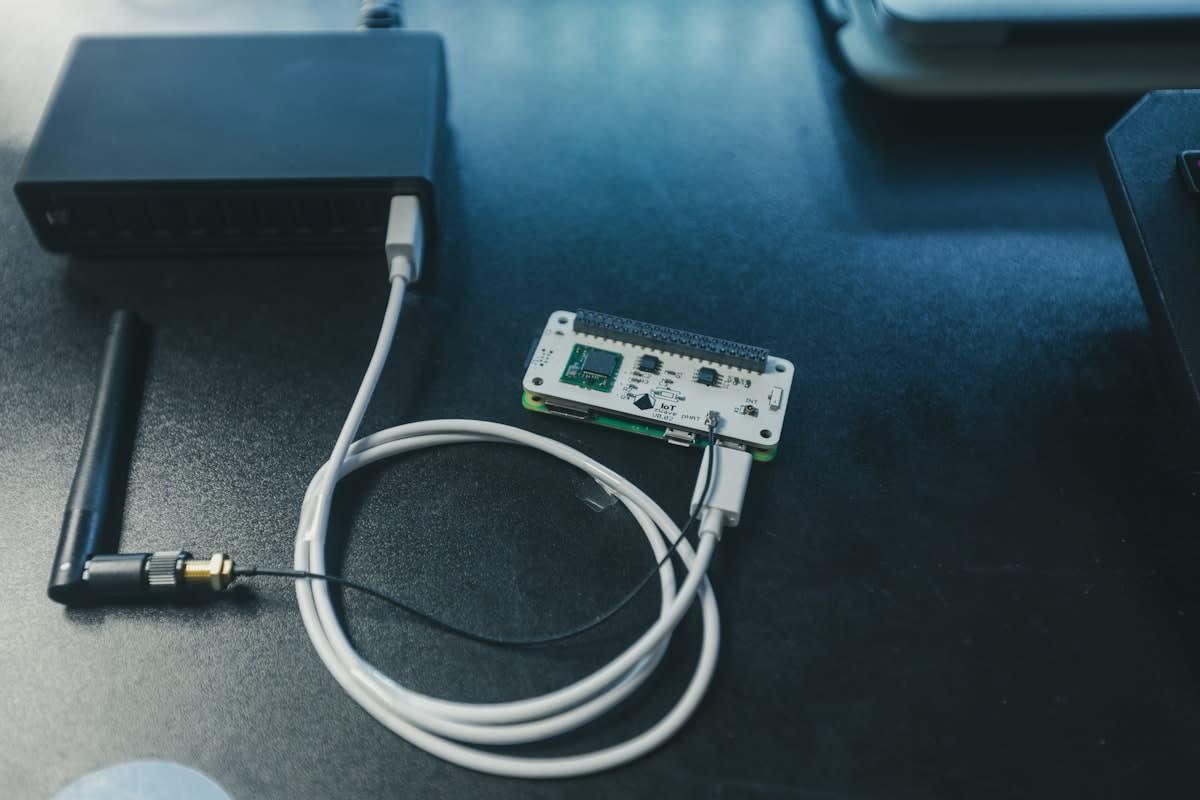
The Physics of Hardware Failure
Capacitors are the first to go. Heat causes the electrolyte to evaporate over time. Once that happens, the voltage ripples kill the CPU. You will find these boards blackened at the edges in the field. This failure is predictable and preventable. Most technicians make the mistake of trusting the manufacturer's ambient temperature rating without accounting for radiant heat from PV arrays.
The 28 MWp rooftop solar system at the Samsung Electronics HCMC CE Complex creates a massive heat sink. Sunlight hits those panels and radiates infrared energy directly onto nearby equipment. Most installers ignore this radiant load. They only look at the ambient air temperature. Resultantly, the IoT gateways overheat even when the air feels manageable to a human.
"The cost of a single gateway failure in a 20-year PPA project is not the price of the box, but the cost of the data gap in a multi-megawatt system."— Field Engineer, HCMC Industrial Zone
Airflow is often an afterthought in these hubs. Industrial complexes use heavy shielding to keep out dust, which traps heat inside the enclosure. This creates a localized oven effect. Thermal throttling kicks in, dropping the clock speed of the processor to maintain stability. Latency spikes follow, rendering real-time monitoring of the solar array useless.
Critical Warning
Never use plastic enclosures for gateways mounted near solar arrays. Plastic acts as an insulator, trapping heat inside the chassis and accelerating component degradation.
Implementation Steps for Thermal Shielding
- Audit the radiant heat load by measuring surface temperatures of nearby solar panels during peak sunlight (12 PM - 2 PM).
- Install a reflective aluminum shield between the solar array and the gateway to deflect infrared radiation.
- Replace standard thermal pads with high-conductivity materials (5 W/mK or higher) to bridge the gap between the CPU and the aluminum chassis.
- Mount the enclosure on a ventilated bracket that allows air to flow underneath the device, preventing heat soak into the mounting surface.
- Set hardware-level thermal interrupts to trigger active cooling fans when the internal temperature exceeds 60 degrees Celsius.
- Verify the seal of the IP67 enclosure to ensure that humidity does not condense on the PCB during the nighttime cool-down.
Shielding is only as good as the interface. If there is a microscopic gap between the processor and the heat sink, the device will overheat regardless of the enclosure material. I have seen 'industrial' gateways fail because the thermal paste dried out in six months. You must use phase-change materials or high-grade pads. These materials maintain their integrity under the cyclic heating of the Vietnamese climate.
| Component | Standard Gateway | Thermally Shielded Gateway | Failure Mode (HCMC) |
|---|---|---|---|
| Enclosure | Polycarbonate | Anodized Aluminum | Plastic warping/Melting |
| Thermal Interface | Silicone Pad (1 W/mK) | Graphite/Ceramic (5+ W/mK) | CPU Throttling |
| Radiation Protection | None | Reflective Foil | Solder Joint Fatigue |
| Cooling | Passive | Hybrid (Active/Passive) | Capacitor Leakage |
Testing must be aggressive. Do not trust a lab simulation performed in a temperate climate. Take the hardware to the roof of a facility like the Samsung CE Complex and leave it for 72 hours of peak exposure. Monitor the internal thermals every minute. If the delta between the CPU and the ambient air exceeds 30 degrees, your shielding has failed. This is the only way to ensure the hardware survives a twenty-year lifecycle.
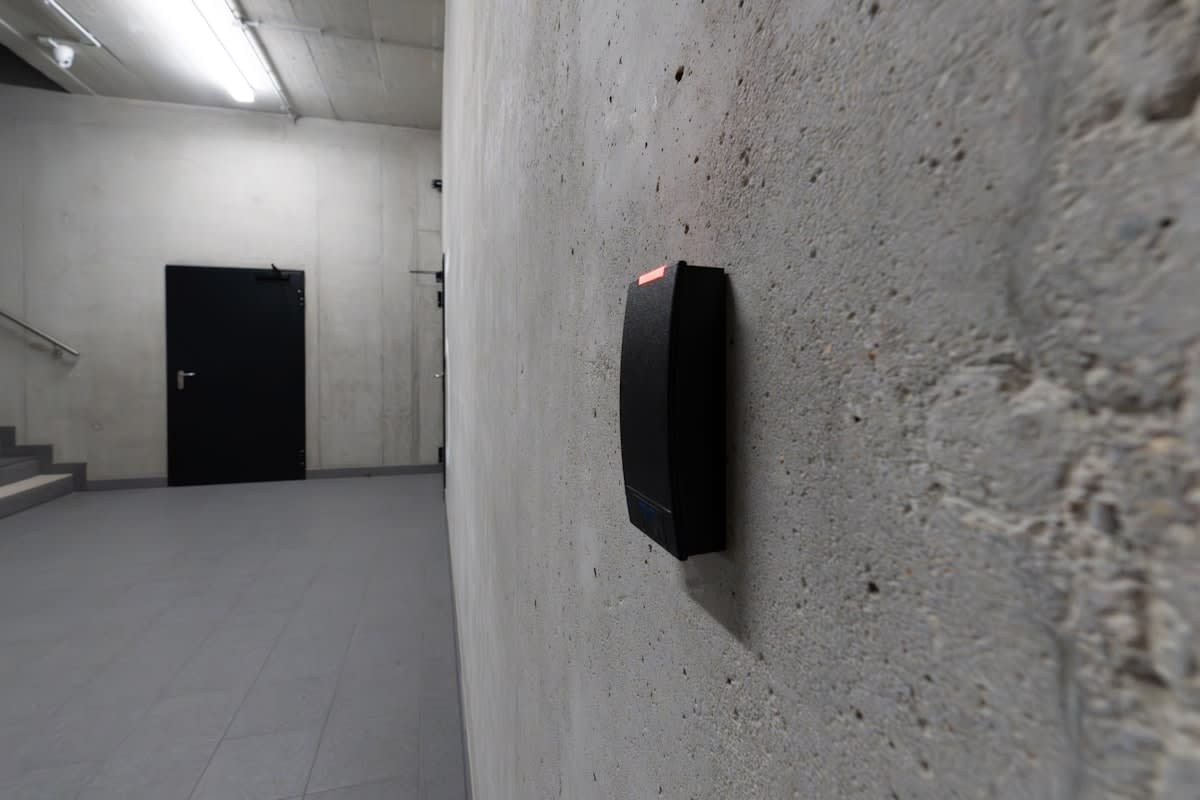
Logistics in HCMC add another layer of difficulty. Moving heavy aluminum shielding and specialized tools across a massive manufacturing site requires coordination. Many teams skip the shielding because it adds weight and installation time. They prioritize the 20-year PPA timeline over the physical health of the hardware. This short-sightedness leads to expensive truck rolls and hardware replacements every eighteen months.
Common Pitfalls
Ignoring the heat island effect is a rookie mistake. Solar panels don't just generate power; they radiate heat into the immediate vicinity. A gateway mounted two feet away from a panel will experience temperatures far higher than the recorded ambient air. You must treat the area around the PV array as a high-heat zone. Failing to do so guarantees a shortened hardware lifespan.
Using consumer-grade fans is another error. Cheap fans seize up when exposed to the fine industrial dust of HCMC. Once the fan stops, the heat builds up rapidly inside the sealed enclosure. This leads to a thermal runaway event. Only use industrial fans with brushless motors and high IP ratings.
Neglecting the cooling cycle is the final mistake. In HCMC, the temperature drop at night can cause moisture to condense inside a poorly sealed enclosure. This condensation creates micro-shorts on the PCB. Your shielding must be airtight. A device that survives the heat but dies from the humidity is still a failure.