AI Executive Summary
"This article analyzes the critical infrastructure gap between AI software and physical deployment. It provides a strategic framework for understanding the hardware dependencies, from low-latency connectivity to thermal management, necessary for scaling humanoid robotics in industrial settings."
Prerequisites for Physical AI
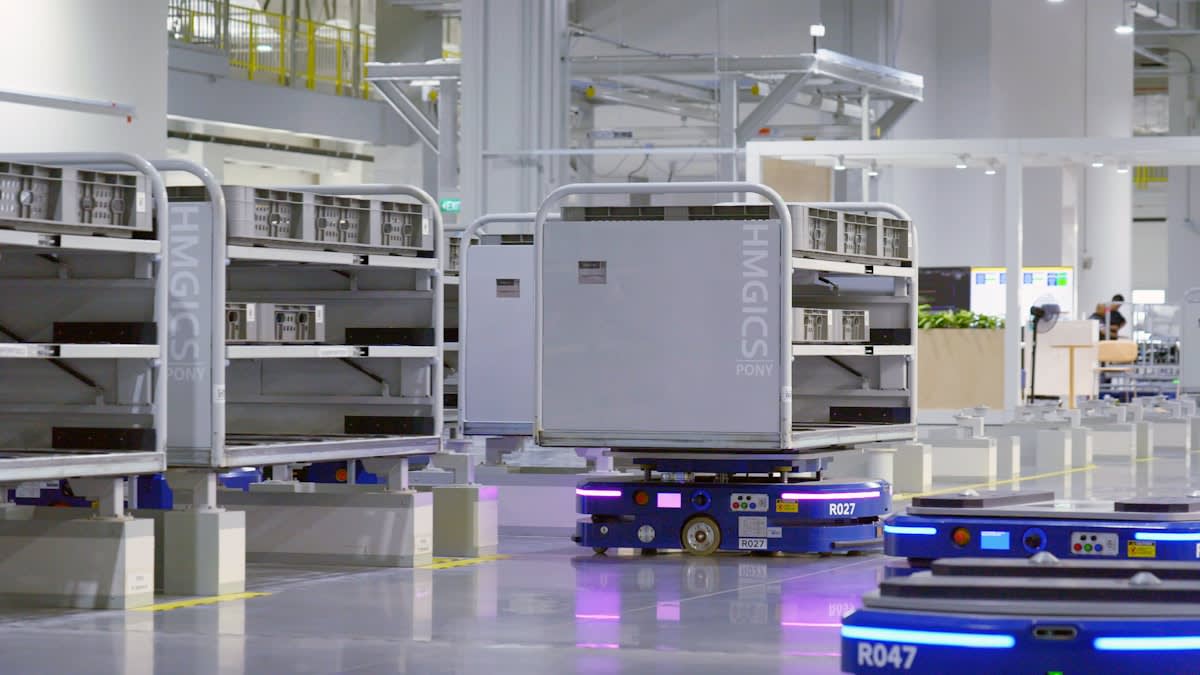
Steel grinds. Hardware fails. Every joint is a liability. BMW learned this during an 11-month pilot of the Figure 02 robot before moving to the Figure 03 in Spartanburg. You cannot simply drop a humanoid onto a factory floor and expect it to sort parts.
- High-capacity data pipes to handle embodied AI foundation models.
- Dedicated training zones like Apptronik's Robot Park in Austin, Texas.
- Low-latency connectivity to avoid the stutter of remote inference.
- Industrial-grade power grids that don't flicker under heavy actuator loads.
The Latency Tax
Latency is a killer. If your control loop lags, the robot doesn't just stop; it oscillates and destroys the part it is holding.
Connectivity is the invisible leash. Tata Communications is spending $152 million to harden subsea cables between Mumbai, Chennai, and Singapore. Compare this massive infrastructure spend to a facility in Lagos where a sudden brownout would turn a million-dollar humanoid into a very expensive paperweight.
The Deployment Sequence
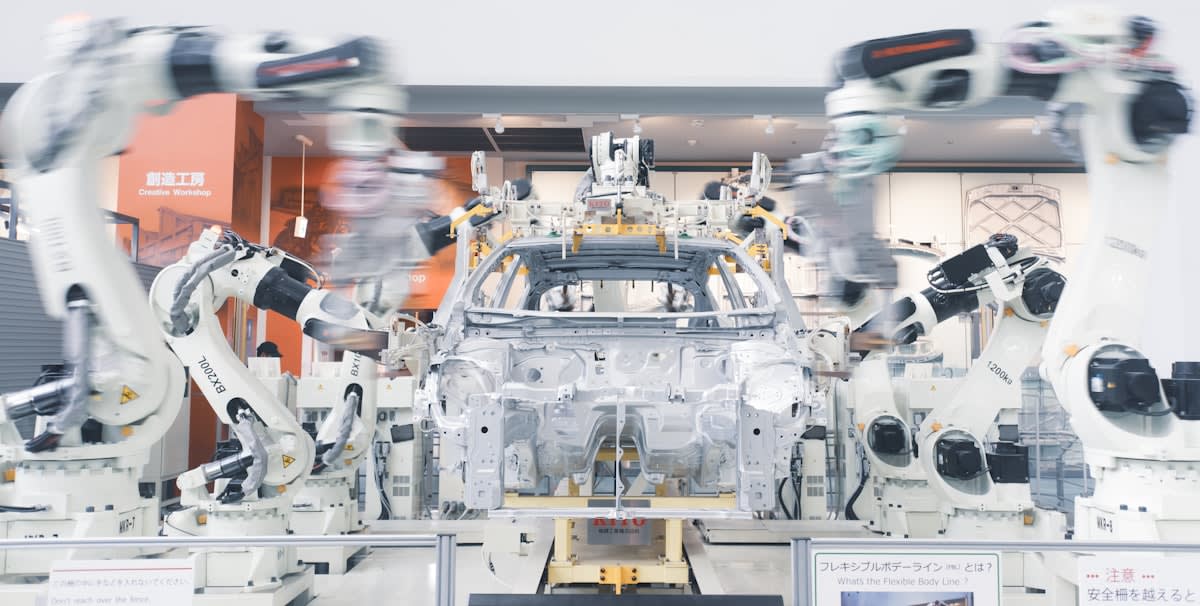
Software is secondary to physics. You must build the data vacuum before the machine can move. X Square Robot is pursuing this with their QUANXTA Zero Series platform to feed their WALL foundation models.
- Establish a data collection hub to gather diverse real-world tasks, similar to the Apptronik Robot Park model.
- Integrate embodied AI models that can perceive and predict, as seen in the General Intuition Series A focus.
- Deploy a pilot unit for a fixed duration—BMW used 11 months—to identify where actuators snap.
- Scale the hardware using full-stack platforms like the QUANXTA Zero to synchronize software and chassis.
- Secure high-bandwidth backhauls, such as the 78Tbps Project CS cable, to support global fleet intelligence.
"Our 11-month deployment of Figure 02 proved that humanoids are no longer lab experiments - they can be a valuable asset in establishing a flexible, reliable manufacturing workforce."— Brett Adcock, CEO of Figure AI
Money follows the hardware. X Square Robot's valuation has soared over RMB 20 billion because they control the full stack. Most companies fail because they buy a robot and try to write the brain later.
| Entity | Key Asset | Primary Focus | Scale/Investment |
|---|---|---|---|
| BMW / Figure AI | Figure 03 | Parts Sorting | 11-month pilot |
| Apptronik | Apollo 2 | Data Collection | Robot Park (Austin) |
| X Square Robot | WALL Models | General Purpose | RMB 20 Billion Value |
| Tata Comm. | MIST/Project CS | AI Connectivity | $152 Million |
Hardware is a brutal teacher. ABB is pushing physical AI into palletizing, but the real struggle is the heat dissipation in the joints. Overheating actuators lead to erratic movements and ruined shipments.

Common Pitfalls
Assuming the lab works in the wild is a fatal error. Dust kills sensors. Grease ruins optical cameras. A robot that works in a clean room in Hsinchu will choke in a humid warehouse in Chennai.
- Ignoring the 'Data Hunger': Without a facility like Robot Park, your AI will hallucinate physical movements.
- Underestimating Cable Capacity: Trying to run embodied AI on standard broadband leads to catastrophic lag.
- Over-reliance on General Models: Using a model not tuned for specific parts sequencing results in dropped components.
- Neglecting Thermal Limits: Pushing actuators to 100% duty cycle leads to melted servos.
Failure is expensive. One Figure 03 tripping over a cable can halt a vehicle production line for hours. That is the reality of moving from a demo to a deployment.