AI Executive Summary
"This article analyzes the critical transition from manual brokerage to digital orchestration in West African logistics. It highlights how 4PL models and supply chain automation are essential for survival amidst currency volatility and the expansion of AfCFTA trade corridors."
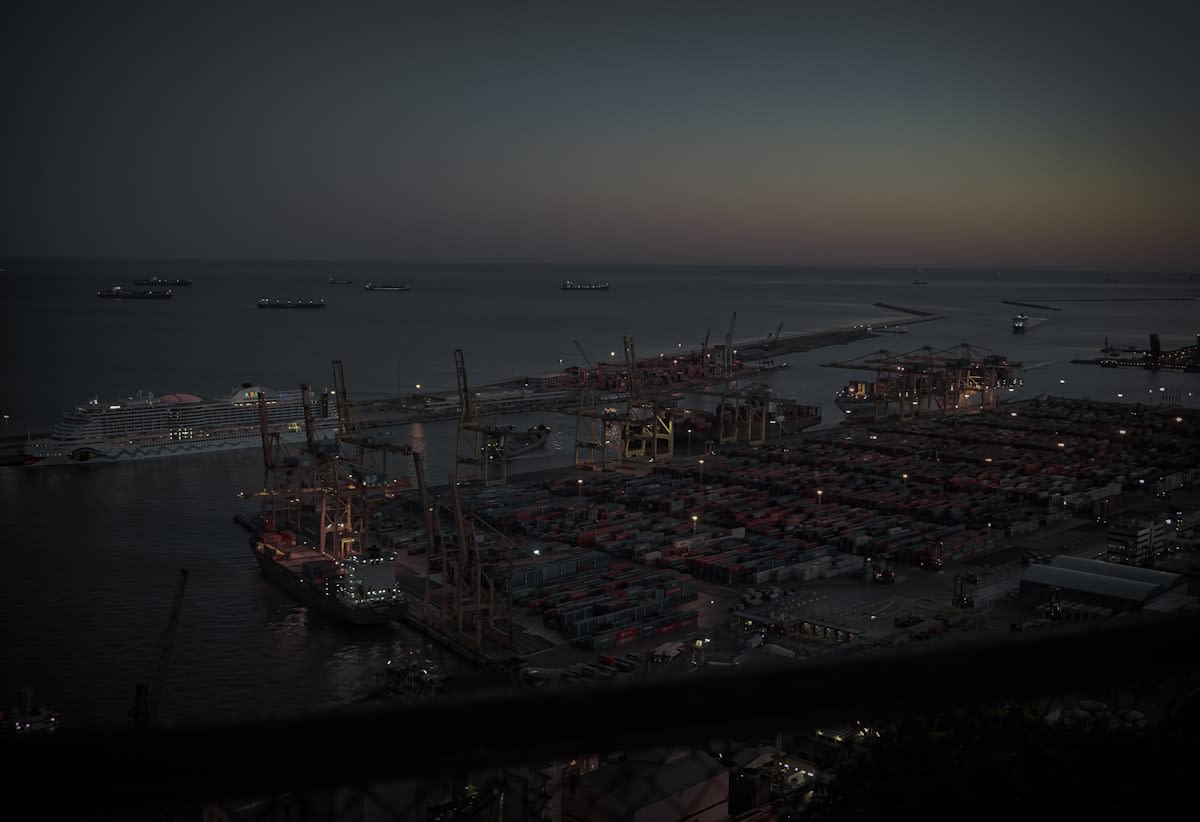
The ports of West Africa are currently the site of a quiet but violent restructuring. For decades, the movement of goods through hubs like Lagos, Abidjan, and Dakar relied on a fragile network of manual brokers and fragmented trucking fleets who operated on handshakes and handwritten ledgers. This opacity was once a feature for those at the top of the food chain, allowing middlemen to extract rent from every delay and discrepancy. Now, that same opacity has become a liability. The sheer volume of trade, coupled with an unforgiving demand for speed, has made the old ways of doing business mathematically impossible to sustain.
To understand the urgency of this month's shift, one must look at the delta between today and six months ago. In early 2024, digitalization was treated as a corporate vanity project—a set of dashboards that looked impressive in boardrooms but did little to move a container faster through the Apapa port. Today, the conversation has changed from optimization to survival. We are seeing a surge in the abandonment of traditional freight forwarding in favor of integrated digital ecosystems. This is not a gradual evolution; it is a frantic scramble to eliminate the waste that is eating margins alive.
The Death of the Manual Middleman
Traditional freight models in the region relied on the broker as the sole source of truth. If you wanted to know where your cargo was, you called a man who called another man. This information asymmetry allowed for arbitrary pricing and chronic delays. However, the rise of digital freight matching platforms is stripping away this power. By connecting shippers directly with vetted carriers in real-time, these platforms are reducing the need for the traditional broker. The result is a drastic reduction in the time spent negotiating rates and a sudden, jarring increase in transparency that the old guard cannot compete with.
Why is this happening so rapidly right now? The answer lies in the crushing weight of demurrage fees and the volatility of local currencies. When the Naira fluctuates wildly, the cost of a container sitting idle for an extra week is no longer a rounding error; it is a catastrophic loss. Logistics firms are realizing that they cannot afford the 'broker's tax'—the time and money lost to manual coordination. They are instead moving toward a model where data, not relationships, dictates the flow of goods.

This transition is further accelerated by the African Continental Free Trade Area (AfCFTA). As tariffs drop and intra-regional trade increases, the complexity of moving goods across borders—from Ghana to Cote d'Ivoire or Nigeria to Benin—has spiked. The old manual models were designed for port-to-city movement, not complex, multi-country corridors. To handle this new volume, hubs are adopting Fourth Party Logistics (4PL) models, where a single lead integrator manages the entire supply chain via a digital layer, coordinating multiple 3PL providers without owning a single truck.
This move toward 4PL is a fundamental restructuring of how value is captured in the logistics chain. Instead of owning assets, the new winners are owning the data. By controlling the visibility of the cargo, these integrators can optimize routes in real-time, avoiding the notorious bottlenecks that have plagued the region for years. The focus has shifted from the physical act of hauling to the intellectual act of orchestration.
| Metric | Traditional Freight Model | Digital Integrated Model (Current) |
|---|---|---|
| Avg. Port Dwell Time | 14-21 Days | 7-10 Days |
| Documentation Process | Manual/Paper-based | Digital/Blockchain-enabled |
| Visibility | Reactive (Phone calls) | Proactive (Real-time GPS) |
| Pricing Structure | Opaque/Negotiated | Dynamic/Market-based |
| Empty Mile Rate | 35-45% | 15-20% |
The economic pressure is most evident in the 'empty mile' problem. In the traditional model, trucks often returned from deliveries empty because there was no mechanism to find a backhaul load in real-time. This inefficiency was simply baked into the cost of doing business in West Africa. Digital matching platforms have slashed these empty miles by nearly 50% in some corridors, allowing carriers to increase their revenue per trip while lowering the cost for the shipper. This is not just a marginal gain; it is a complete rewriting of the profit and loss statement for trucking companies.
Beyond the economics, there is a psychological shift occurring among the workforce. The younger generation of logistics managers in Accra and Lagos is refusing to operate within the 'phone-call economy.' They are demanding tools that mirror the efficiency of global standards. This internal pressure is forcing legacy firms to either adopt new software or face a total brain drain of their most capable operational talent.
"The era of the 'fixer' in West African logistics is ending. You can no longer 'fix' a supply chain with a phone call and a favor when the client expects a real-time API feed of their cargo's location."— Amara Okafor, Regional Logistics Strategist
This is not without its frictions. The transition to digital models is creating a sharp divide between the top-tier logistics hubs and the small-scale operators. While the large integrators are seeing a 25% surge in efficiency, the small-scale truckers who cannot afford the hardware or the data costs are being pushed to the periphery. This digital exclusion risks creating a two-tier economy where only the largest players can access the most lucrative trade corridors.
Adoption of 4PL Digital Integration in West African Hubs (Jan - June 2024)
Executive Insight
+18.4%
YTD Growth
The 'Green Corridor' initiative is another catalyst driving this month's urgency. With international pressure to reduce carbon footprints, there is a sudden push to optimize routes and reduce idling times at ports. Traditional freight models, which treat fuel waste as an externality, are incompatible with these new requirements. By using AI-driven routing, the new digital hubs are not just saving money; they are meeting the environmental compliance standards required to maintain partnerships with global shipping lines.
We must also consider the role of mobile-first infrastructure. In West Africa, the leapfrog effect is in full swing. Logistics companies are skipping the desktop-based ERP systems of the West and moving straight to mobile-native coordination tools. This allows drivers to update cargo status in real-time from a smartphone, eliminating the need for a centralized dispatcher to manually track every vehicle. The dispatcher's role is evolving from a controller to an analyst.
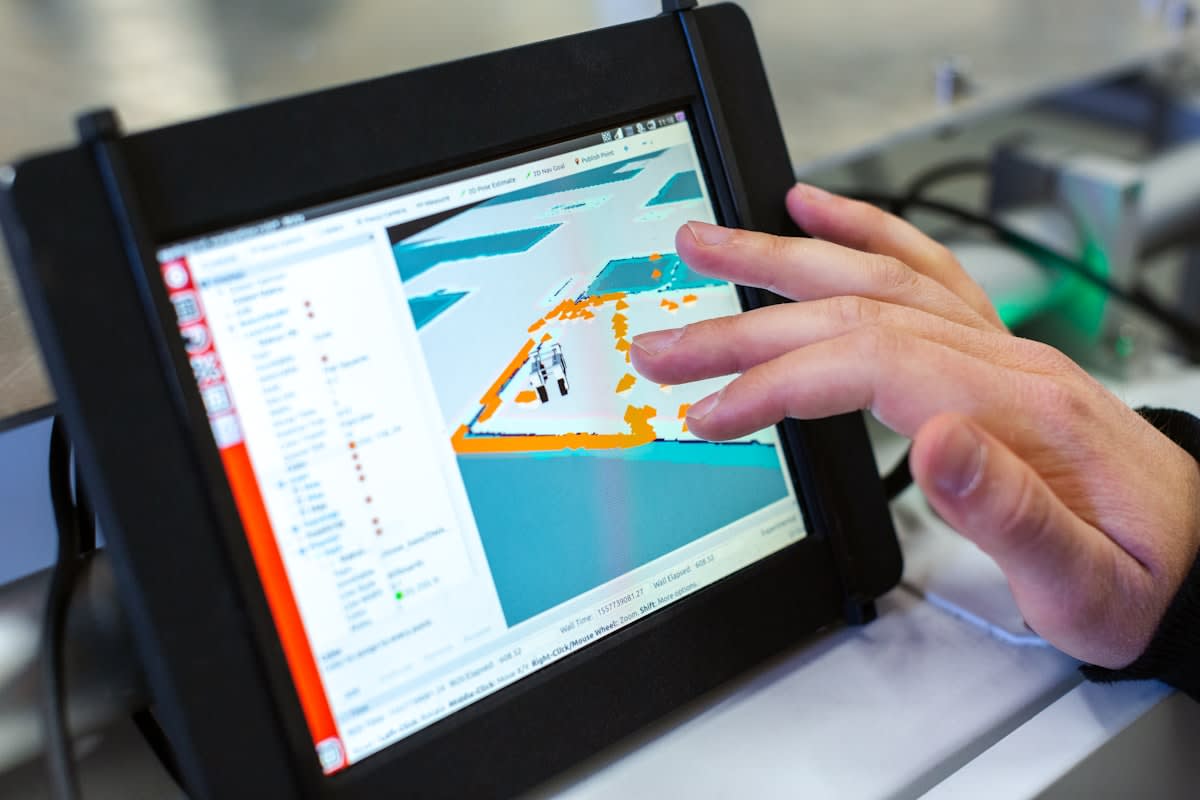
Looking ahead, the next 90 days will be critical for those still clinging to the old model. As more ports implement automated customs clearing and electronic bills of lading, the manual broker will find themselves with nothing to broker. The value has moved from the ability to 'get things done' through influence to the ability to 'get things done' through data accuracy. The market is no longer rewarding the well-connected; it is rewarding the well-integrated.
The ultimate 'so what' for global investors and trade partners is clear: West Africa is becoming a more predictable environment for capital. When you remove the opacity of the freight model, you reduce the risk profile of the entire region. The transition we are witnessing this month is the removal of a massive, invisible tax on West African trade. Once the digital layer is fully established, the speed of commerce in the region will likely accelerate beyond any previous historical benchmark.
The Economic Impact
The current shift represents a projected $4.2 billion annual recovery in lost value across the ECOWAS region by eliminating traditional logistics inefficiencies.