
AI Executive Summary
"This article analyzes the critical shift in oncology from molecular discovery to commercial execution, highlighting the bottleneck of GMP manufacturing. It underscores the strategic importance of India's emerging infrastructure and the adoption of dual-track business models to mitigate risk."
The calendar just blinked. In the span of five days at ASCO 2026, the oncology world witnessed three separate antibody-drug conjugate (ADC) approvals. This is not a gradual climb; it is a sprint. For years, we talked about the potential of precision cancer therapy. Now, the data is hitting the market with a frequency that threatens to overwhelm traditional regulatory and distribution rhythms.
The Velocity of Approval
Daiichi Sankyo is currently the epicenter of this acceleration. With Global Head of Oncology Ken Keller and new R&D Head John Tsai steering the ship, the company is pushing a high-volume launch strategy. They are not just targeting a single niche; they are aggressively expanding their footprint across both breast and lung cancers. The ambition is clear: capture as large a percentage of breast cancer indications as possible, as quickly as possible.
"The increasing pace of oncology innovation evident at ASCO suggests we are moving beyond the era of the 'blockbuster drug' into an era of 'platform saturation.'"— Industry Analysis of ASCO 2026 Trends
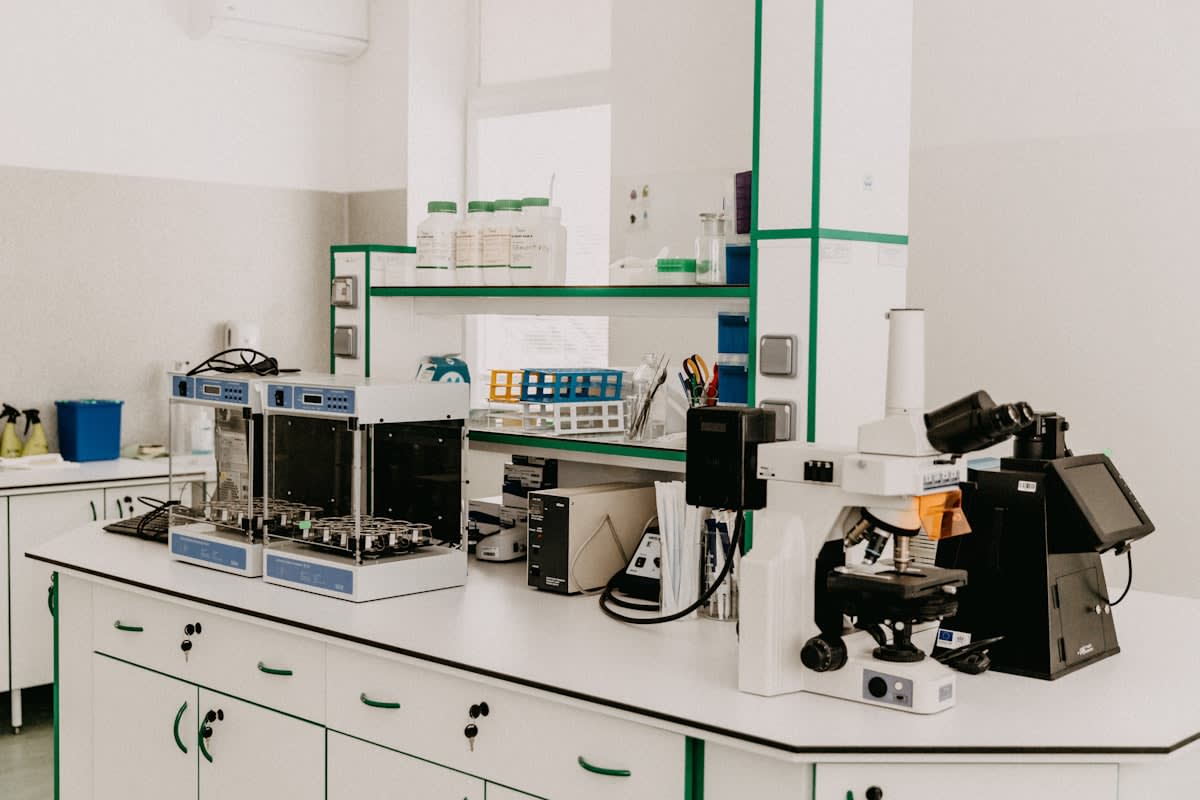
But speed in the lab is useless without speed in the factory. The ripple effect of these rapid approvals is creating a desperate hunger for GMP-compliant manufacturing that can handle highly potent compounds without blinking.
The Infrastructure Pivot: Bangalore and Beyond
While the approvals are happening in the West, the capacity is being built in the East. India-based Shilpa Biologicals just commissioned an integrated ADC drug substance GMP manufacturing facility. This is a strategic land grab. By designing the plant to meet U.S. FDA and EMA standards from day one, Shilpa is positioning India not just as a low-cost provider, but as a sophisticated, trusted partner in the global ADC supply chain.
- Integrated drug substance manufacturing for highly potent compounds.
- Compliance with global regulatory standards (FDA, EMA).
- Strategic focus on providing a 'one-stop' infrastructure for global biotech partners.
Contrast this with the traditional model where manufacturing was an afterthought to discovery. In 2026, the facility is the strategy.
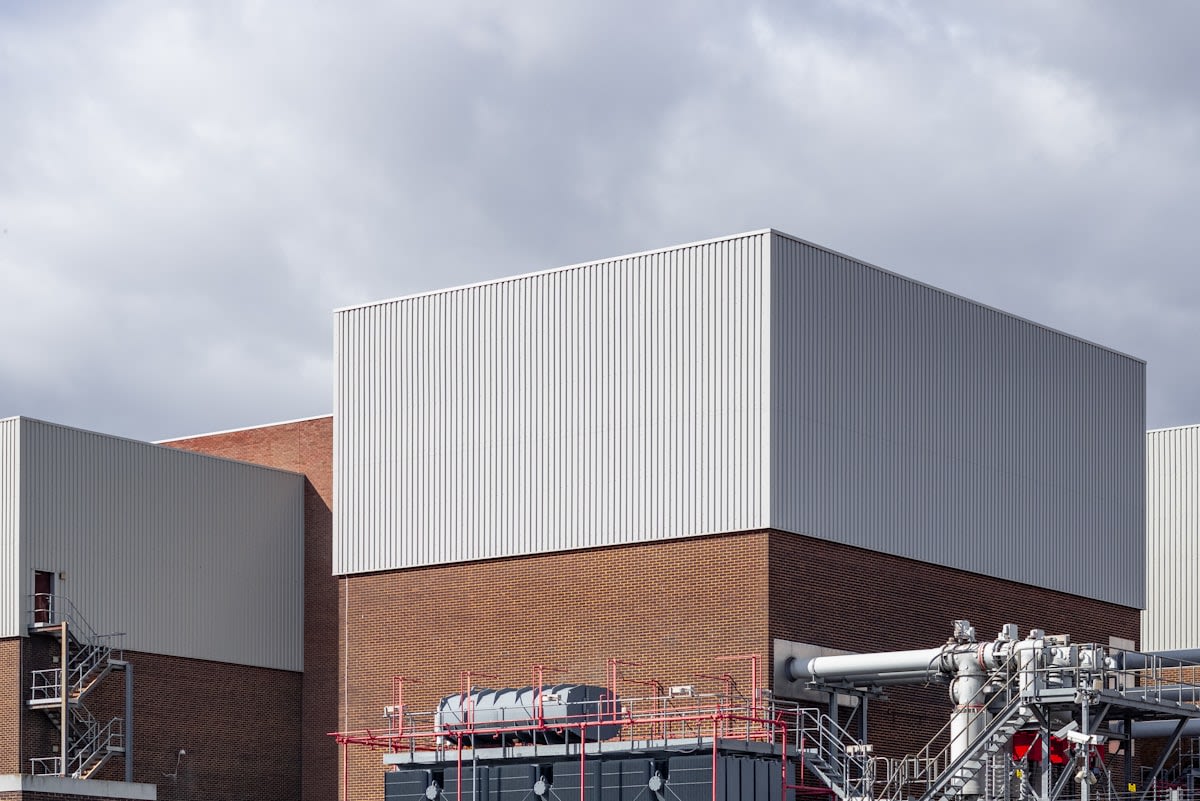
This infrastructure race is coinciding with a fundamental change in how companies approach market entry. We are seeing a move away from the 'single-product' gamble toward a dual-track survival model.
The Dual-Track Survival Model
At BIO 2026, EirGenix showcased a strategy that reflects this new reality. Instead of betting everything on one proprietary molecule, they are running a parallel track: developing HER2-positive breast cancer biosimilars while simultaneously operating as a CDMO (Contract Development and Manufacturing Organization). This hedges their bets against geopolitical uncertainty and supply chain restructuring.
The Market Reality
HER2-positive breast cancer accounts for approximately 15% to 20% of all breast cancer cases. In a market this size, the winner isn't the one with the best science—it is the one with the most resilient delivery system.
| Strategy Era | Primary Focus | Risk Profile |
|---|---|---|
| Traditional (Pre-2025) | Single-product competition | High volatility; binary success/failure |
| Modern (2026+) | Platform-based & Combination therapies | Geopolitical and supply chain dependency |
The 'so what?' is simple: the barrier to entry in oncology has moved. It is no longer enough to have a molecule that works. You need a global manufacturing footprint and a diversified business model that can survive a fragmented world. The speed of ASCO 2026 is a warning—the industry is moving faster than the infrastructure can keep up.