
AI Executive Summary
"This article analyzes the strategic shift from generative AI chatbots to agentic AI workflows in clinical and laboratory settings. It highlights how specialized, proactive systems are accelerating drug discovery and redefining patient care through ambient monitoring."
The Biological Frontline
The numbers coming out of the Democratic Republic of Congo are a cold reminder of why speed in medical science is a matter of life and death. As of June 29, 2026, confirmed Ebola cases have hit 1,274, with 360 deaths recorded. While the US has launched vaccine efforts for the Bundibugyo strain, the crisis underscores a brutal reality: our ability to respond to outbreaks is only as fast as our ability to sequence and synthesize.
Why does a surge in the Congo matter to a clinician in Tokyo or a researcher in Bangalore? Because we are witnessing a race between viral mutation and computational discovery. The lag between identifying a pathogen and deploying a countermeasure is where the casualties happen.

The urgency in the field is driving a desperate need for speed in the lab, and the tools are finally arriving.
Beyond the Chatbot Hype
For two years, the industry has been obsessed with LLMs that can write emails. That era is over. At a recent symposium at the University of Utah, the focus shifted to real-world utility: using the Boltz-2 AI model to screen protein interactions. They aren't just predicting structures; they are reducing research costs and identifying molecular interactions that traditional laboratory methods would miss for years.
"Using the AI model Boltz-2... Karchner and her peers screened potential protein interactions far more efficiently than traditional laboratory methods."— University of Utah Symposium
Contrast this with the landscape twelve months ago. We were debating whether AI could summarize a medical chart. Now, Tecan is integrating agentic AI into its Introspect lab analytics platform via the NVIDIA BioNeMo Agent Toolkit. This isn't a tool you prompt; it's an agent that proactively supports scientists and manages laboratory operations.
| Capability | Mid-2025 Standard | June 2026 Reality |
|---|---|---|
| Protein Discovery | Iterative Lab Testing | AI-Accelerated Screening (Boltz-2) |
| Lab Management | Human-Driven Workflows | Agentic AI (Tecan/NVIDIA) |
| Patient Data | Static Portals | Interactive Record AI (Hartford HealthCare) |
Follow the Money
Capital is following the utility. Trase recently landed $107 million to scale AI agents specifically for healthcare and high-stakes industries, signaling a move away from generic AI toward specialized, agentic systems.
If the lab is getting smarter, the point of care must follow. The clinic is moving into the living room.
The Ambient Clinic
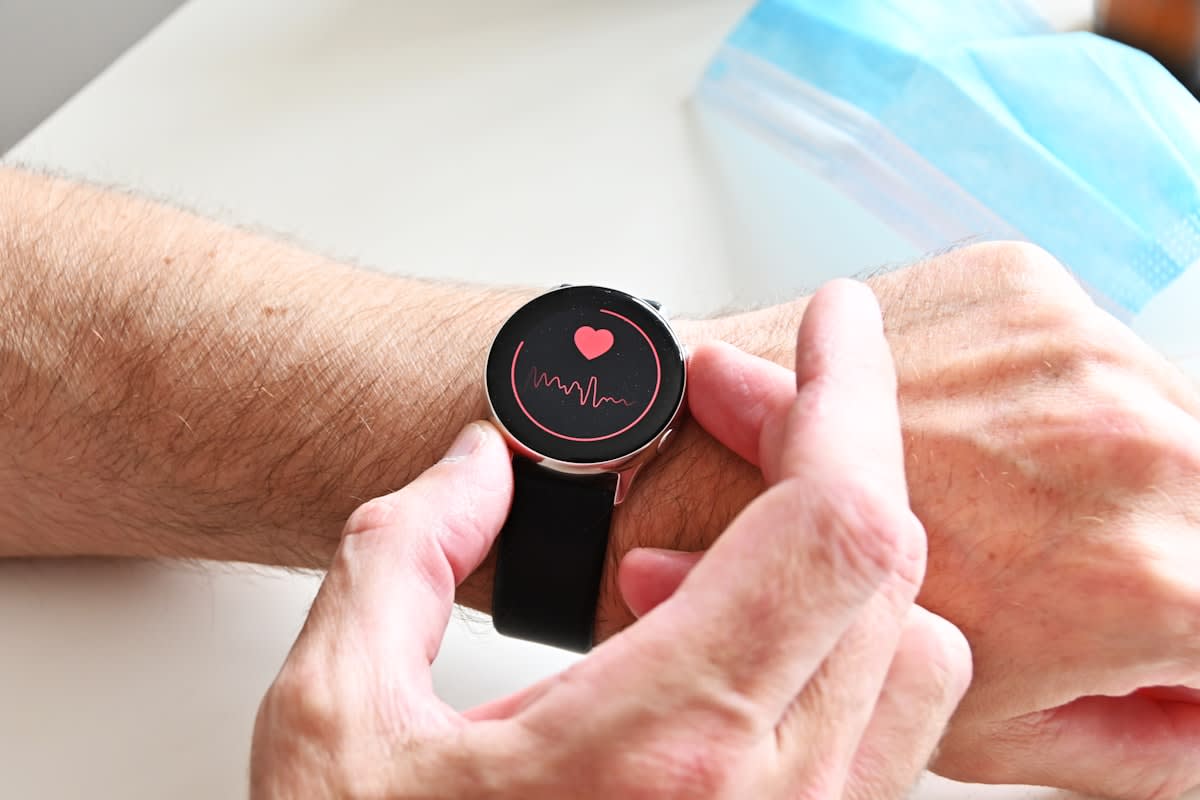
Wearables have a ceiling. People are tired of charging watches and staring at rings. The industry is moving toward ambient home health monitoring—systems that track health without requiring the patient to wear a device. It solves the disconnect for those who want the data but hate the hardware.
Simultaneously, the barrier between patients and their data is collapsing. Hartford HealthCare has launched an AI chatbot that allows patients to have real-time conversations with their own medical records to interpret lab results. It removes the anxiety of the waiting room and the ambiguity of a PDF report.
Yet, technology alone is a blunt instrument. As Yagnesh Vadgama of CentralReach points out, improving behavioral health requires more than just data visibility. We need value-based payment models and expanded workforce capacity. Data tells us there is a problem; it doesn't provide the therapist.
The real winners of 2026 won't be the companies with the best models, but those who integrate these tools into the messy, operational reality of global health—from the jungles of Congo to the suburbs of Connecticut.