
AI Executive Summary
"This article analyzes the convergence of high-precision oncology and decentralized AI, highlighting a strategic shift toward interceptive medicine. It underscores the transition from hospital-centric care to ambient home monitoring and AI-driven diagnostics."
The last week of June 2026 has delivered a concentrated burst of medical intelligence that makes the previous year look like a rehearsal. We are no longer talking about the vague promise of AI; we are seeing the actual deployment of systems authorized to practice medicine and molecular compounds that force cancer cells to commit suicide. The question is no longer if the system will change, but how quickly the infrastructure can keep up with the science.
The Molecular Kill-Switch
On June 29, 2026, the medical community received a blueprint for a more aggressive strike against pancreatic cancer. Researchers testing experimental PCAI compounds discovered they could block more than 90% of cancer cell migration. This isn't just about slowing growth; it is about stopping the spread. Unlike previous attempts that targeted a single mutant form, PCAIs target cancer cells driven by several different KRAS mutations, effectively widening the net of efficacy.
"There has been a lack of understanding in our field as to how leukemia cells invade the lungs, why they trigger respiratory crises, and why steroids counter this to some degree."— Iannis Aifantis, PhD, NYU Grossman School of Medicine
Simultaneously, NYU Langone Health researchers cracked the code on how AML leukemia cells infiltrate the lungs. By examining tissue biopsies, they found that these cells leak through thin alveolar wall blood vessels into the connective tissue, causing a drop in endothelial capillary aerocytes. This specific mechanical understanding transforms the lungs from a black box of respiratory crisis into a mapped battlefield.

While these lab breakthroughs are precise, the delivery mechanism is moving toward the living room. We are seeing a decoupling of expert care from the hospital building.
The Living Room Clinic
The partnership between Doctronic and Simple HealthKit, announced June 29, represents a provocative leap. Doctronic claims to be the first AI system legally authorized to practice medicine in the U.S. By integrating at-home screening kits with a chatbot that navigates symptoms and connects users to licensed physicians, the diagnostic loop is closing. The patient no longer waits for a referral; the AI identifies the risk and triggers the test.
Beyond the Wristband
The evolution of monitoring has hit a wall with wearables. While FitBit pioneered health analytics, a new cohort of patients is choosing to disconnect. The answer is ambient home health monitoring—tracking health data seamlessly without a device strapped to the wrist.
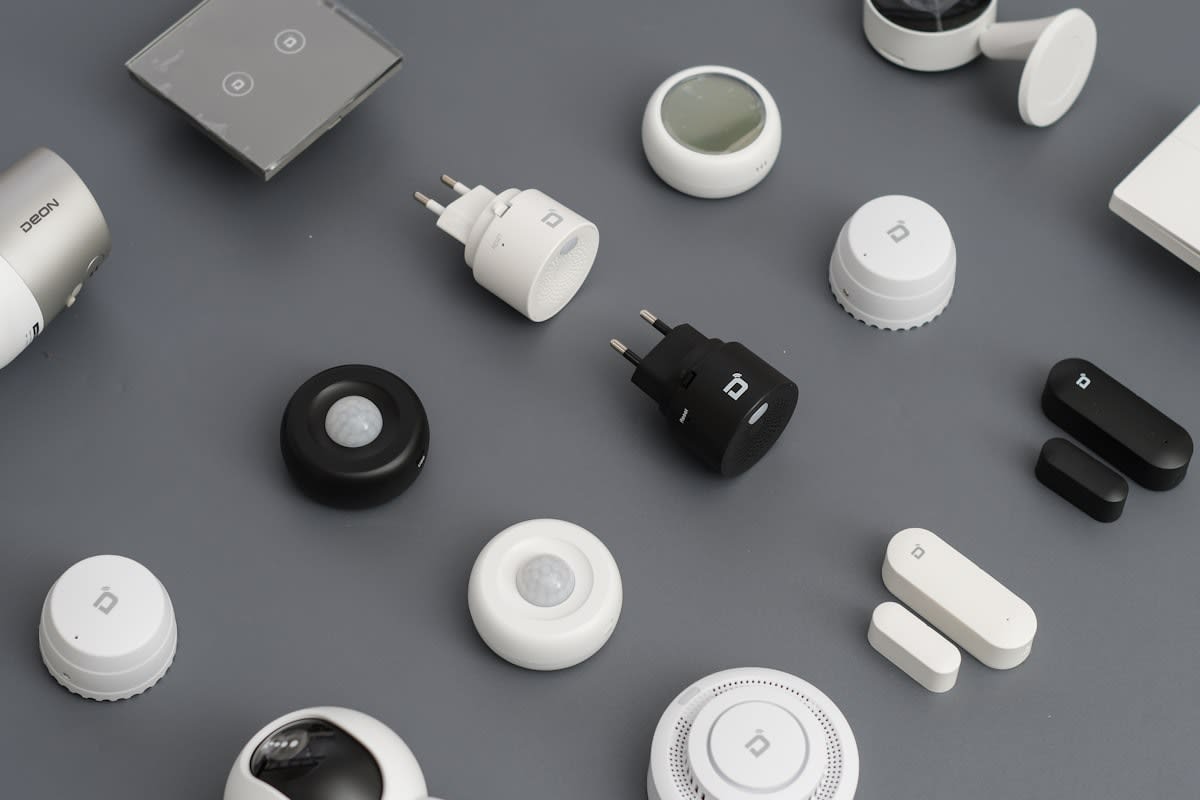
Capital is following this decentralized logic. Trase recently landed $107M to scale AI agents for healthcare and other high-stakes industries. This isn't venture capital betting on a chatbot; it is an investment in autonomous agents capable of managing complex clinical workflows.
| Capability | 2025 Standard | June 2026 Reality |
|---|---|---|
| AI Role | Symptom Suggestion | Legally Authorized Practice (Doctronic) |
| Patient Monitoring | Active Wearables | Ambient Home Integration |
| Oncology Target | Single Mutation Focus | Multi-KRAS Mutation Targeting (PCAIs) |
| Diagnostic Path | Clinic First | At-Home Screening First |
Yet, for all the AI agents and molecular switches, the human baseline remains. In Cleveland, the story of 7-year-old Lincoln Rodgers, now two years cancer-free from Medulloblastoma, serves as a reminder that high-tech intervention still relies on low-tech essentials like blood donations. The sophisticated AI doctor can diagnose, but the biological recovery still requires the community.
The Bottom Line
We have entered an era of interceptive medicine. Between the 90% migration block of PCAIs and the legal authorization of AI doctors, the window for early intervention has widened. The risk is no longer just the disease, but the speed at which we can integrate these disparate breakthroughs into a single, functional patient journey.