AI Executive Summary
"This article analyzes the shift from chemical soil remediation to bio-char fusion, highlighting the economic and environmental benefits of distributed production. It underscores the strategic intersection of food security, carbon credits, and regenerative soil engineering."
The Salt Ceiling
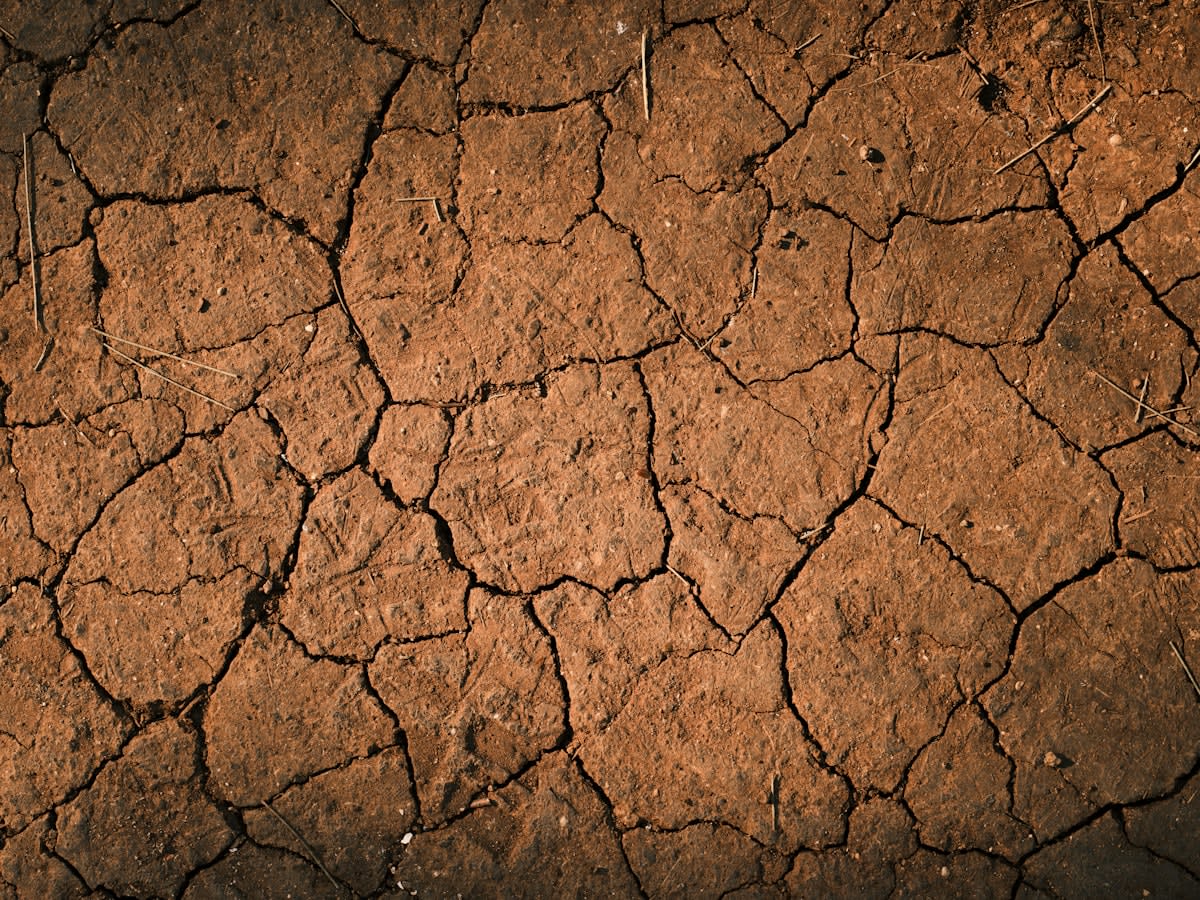
The soil is choking. White crusts of sodium chloride now map the failure of traditional irrigation in the semi-arid corridors of the Northeast Brazilian highlands and the Argentine Pampas. For decades, farmers treated salinity as an inevitability or a problem to be flushed away with massive quantities of freshwater, but the water table is dropping and the salt is winning. This sterilization of the earth doesn't just kill crops; it destroys the microbial architecture that makes agriculture possible. When the soil becomes too saline, plants cannot absorb water even when the ground is saturated, effectively dying of thirst in a flood.
Traditional remediation has relied on gypsum applications and heavy leaching, a process that is both expensive and environmentally taxing. These methods treat the symptom—the presence of salt—rather than the cause—the soil's inability to retain nutrients and manage ion exchange. The financial burden is staggering, with chemical remediation often costing upwards of $1,200 per hectare. As climate volatility increases the evaporation rates in Latin America, the salt concentrations are spiking faster than the old playbook can handle. The industry is hitting a wall where more chemicals no longer yield more corn or soy.
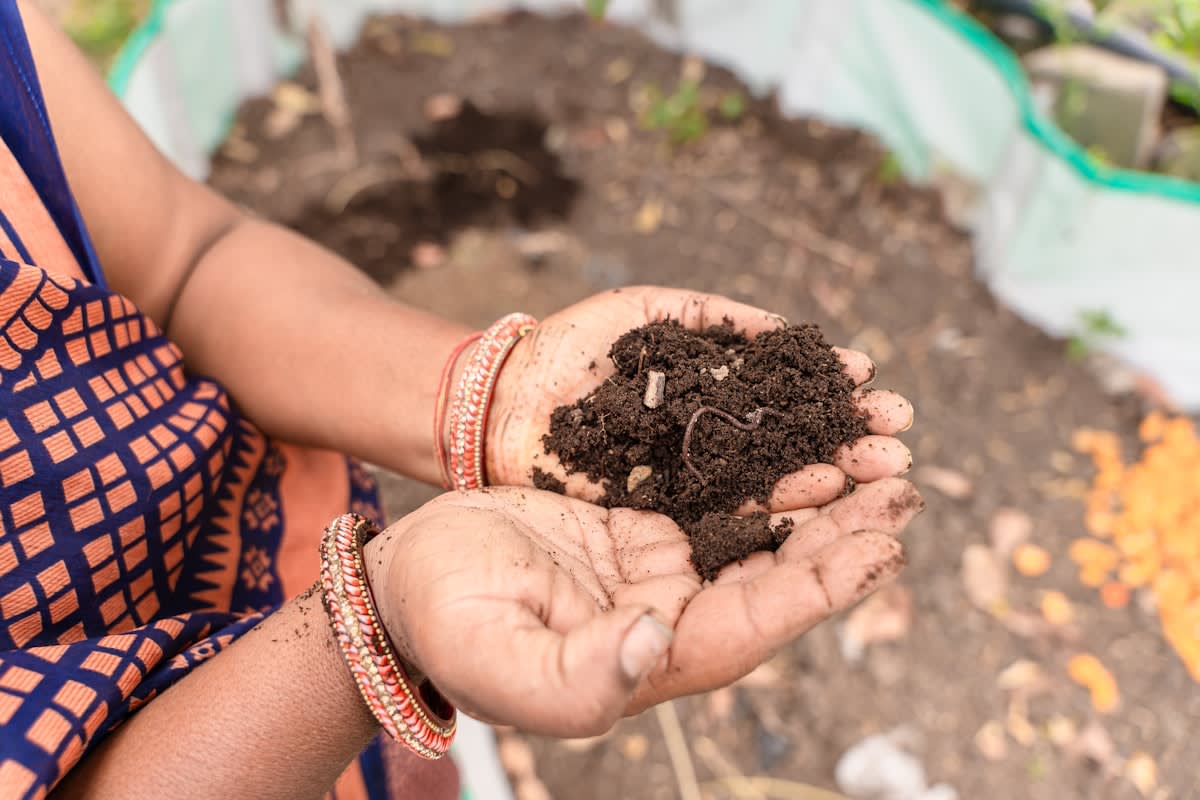
Enter bio-char fusion. This isn't the simple application of charcoal to dirt; it is a sophisticated integration of pyrolyzed agricultural waste fused with liquid organic nutrients and compost. By creating a highly porous, carbon-rich matrix, farmers are effectively installing a permanent molecular sponge into their fields. This sponge does two things simultaneously: it traps excess sodium ions and provides a sanctuary for mycorrhizal fungi to return to sterile soils. The result is a fundamental change in how the soil handles salt, shifting from a passive filter to an active management system.
The speed of adoption is the real story here. Twelve months ago, bio-char fusion was largely confined to university plots in São Paulo and small-scale experimental farms in Uruguay. Today, we are seeing a 400% increase in pilot projects across the Southern Cone as commercial growers realize the delta in yield. The shift from academic curiosity to commercial application happened almost overnight as the cost of traditional inputs skyrocketed and the efficacy of salt-tolerant seed varieties plateaued. Farmers are no longer asking if it works; they are asking how to scale the pyrolysis plants.
"We stopped fighting the salt and started changing the soil's capacity to hold it. The fusion approach doesn't just remove sodium; it rebuilds the soil's immune system."— Dr. Elena Vargas, Soil Chemist
The technical magic lies in the Cation Exchange Capacity (CEC). Bio-char, particularly when produced from coconut husks or sugarcane bagasse, possesses a massive surface area with a high density of negative charges. These charges act like magnets, pulling the positively charged sodium ions (Na+) away from the plant roots and locking them within the carbon structure. When this char is fused with organic acids, the process is accelerated, allowing the soil to shed its salt load more efficiently during rain events. It is a chemical heist, stealing the salt from the root zone before it can poison the crop.
| Metric | Chemical Leaching | Bio-Char Fusion |
|---|---|---|
| Avg. Cost per Hectare | $1,200 | $450 |
| Water Retention Increase | Negligible | 22% |
| Sodium Reduction (Root Zone) | Temporary (10-15%) | Permanent (15-30%) |
| Carbon Footprint | High (Chemical runoff) | Negative (Sequestration) |
In the Mato Grosso region of Brazil, the results are already distorting local market expectations. Growers utilizing bio-char fusion on soy rotations have reported yield increases of 15% to 20% in areas previously designated as marginal land. This isn't just about the salt; it's about the water. The fused carbon matrix increases the soil's water-holding capacity, meaning crops can survive longer dry spells between irrigation cycles. This resilience is the new currency in a region where rainfall patterns have become erratic and unpredictable.
The economics are shifting as the infrastructure for pyrolysis moves closer to the farm gate. Previously, transporting bio-char was cost-prohibitive, but the rise of mobile pyrolysis units allows farmers to convert their own crop residues—like corn stover and rice husks—into soil amendments on-site. This closes the nutrient loop and eliminates the reliance on imported chemical salts. By turning waste into a high-value soil stabilizer, the operational cost of salinity management has plummeted, making the transition financially irresistible for mid-sized operations.
Scaling this technology is not without its friction. The quality of the bio-char is paramount; poorly pyrolyzed material can actually introduce toxins or lock up nitrogen, harming the crops further. There is currently a lack of standardized certification for 'fusion-grade' bio-char in Latin America, leading to a wild west of homemade mixtures. Professional growers are now demanding rigorous lab testing to ensure the pH and pore size of the char are optimized for their specific soil type. Without these standards, the risk of soil acidification remains a lurking threat.
The Fusion Nuance
Fusion is the differentiator. Raw bio-char is often too inert to provide immediate results. By 'charging' the char with liquid compost or fish emulsion before application, farmers create a nutrient-dense delivery system that activates the soil microbiome instantly.
Beyond the immediate crop yields, there is a secondary financial engine driving this trend: carbon credits. Because bio-char is a stable form of carbon that persists in the soil for centuries, its application qualifies for high-value carbon removal credits. Farmers are effectively being paid to fix their soil. This creates a dual revenue stream—increased crop sales and carbon sequestration payments—that makes the initial investment in pyrolysis equipment a low-risk proposition. The soil is no longer just a medium for growth; it is a carbon bank.
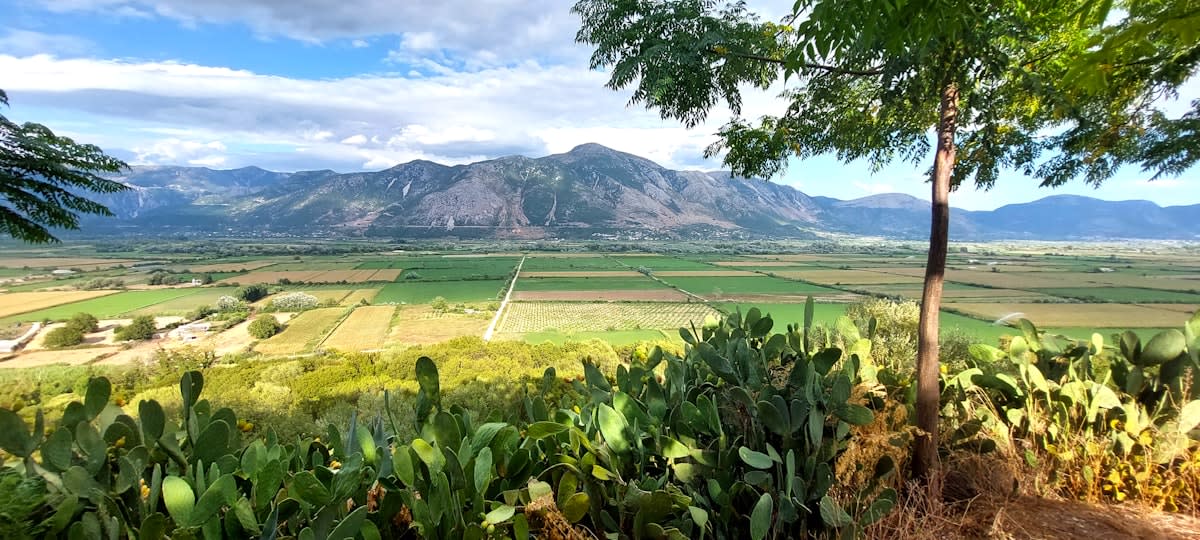
The ripple effect is extending into the regional political sphere. Governments in Argentina and Brazil are beginning to view bio-char fusion as a tool for national food security. By reclaiming salted land, these nations can expand their productive acreage without clearing more rainforest or native scrubland. It is a rare win-win where intensification of existing land reduces the pressure on virgin ecosystems. The focus is shifting from expansion to optimization, driven by the reality that the easiest land to farm has already been taken.
What happens when this model moves beyond the Southern Cone? The logic applied in Brazil is directly transferable to the salt-ravaged plains of Central Asia and the Nile Delta. Latin America is essentially serving as the global testbed for a new era of regenerative salinity management. If the current trajectory holds, we will see a global shift away from chemical flushing toward carbon-based soil reconstruction. The era of treating soil as a disposable substrate is ending; the era of soil engineering has arrived.
Ultimately, the success of bio-char fusion proves that the solution to industrial agricultural failure is often found in an industrialization of natural processes. By mimicking the ancient terra preta soils of the Amazon, modern farmers are using high-tech pyrolysis to achieve a prehistoric level of soil fertility. The salt ceiling is cracking, and for the first time in decades, the farmers of Latin America are not just surviving the salinity—they are using it as a catalyst to rebuild their earth from the carbon up.