AI Executive Summary
"This article provides a practitioner's blueprint for scaling biologics, emphasizing the critical role of physical infrastructure and regulatory hardening. It highlights the operational friction between drug substance and drug product integration to guide strategic facility planning."
Infrastructure Prerequisites
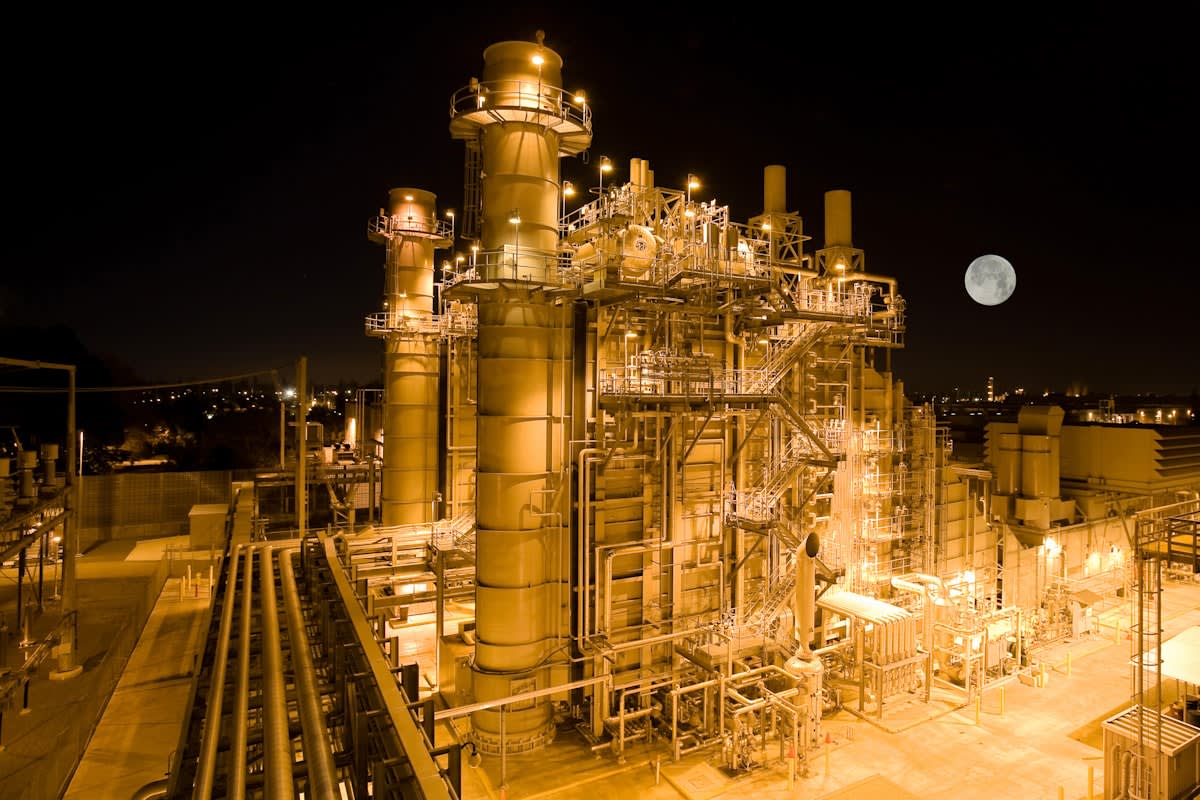
Hardware is the primary bottleneck. Stainless steel and single-use bioreactors (SUBs) dictate the layout of the entire plant, requiring massive floor loads and specialized HVAC to prevent batch loss. Bora Group's 20,000-liter capacity across Rockville and San Diego proves that acquiring existing footprints is faster than building from scratch. Money cannot bypass the laws of physics.
The Integration Gap
The gap between Drug Substance (DS) and Drug Product (DP) is where most projects die. Bora Group expects a 12 to 18 month window to integrate these capabilities. Do not assume a seamless transition.
Field-Tested Scaling Steps
- Secure high-capacity physical footprints. Use sites like Rockville, Maryland, to gain immediate access to established GMP operations and existing SUB capacity.
- Execute regulatory hardening for target markets. WuXi Biologics' acquisition of Brazil ANVISA GMP certification for MFG2 and DP1 facilities demonstrates the only way to unlock Latin American commercial manufacturing.
- Build a commercial leadership layer. Rezon Bio's appointment of Dr. Hubert Scholze as CBO highlights the need for experts who can bridge the gap between early development and commercial manufacturing.
- Validate the supply chain through batch repetition. Bora Biologics' record of 120+ completed GMP batches is the only metric that proves a site is actually operational.
Certifications are the gatekeepers. Brazil's ANVISA GMP certification for WuXi Biologics' facilities is a prime example of the operational friction involved in global expansion. Only after this stamp can commercial manufacturing of cancer immunotherapies actually begin. Paperwork moves slower than the science.
| Organization | Key Asset/Milestone | Metric/Scale |
|---|---|---|
| Bora Biologics | US SUB Capacity | 20,000 Liters |
| WuXi Biologics | Brazil ANVISA GMP | MFG2, DP1, DPPC |
| Bora Biologics | GMP Batch History | 120+ Batches |
Infrastructure failure manifests differently in the periphery. Rural hospitals in the US saw 146 closures between 2005 and 2023. Medicare reimbursement gaps create a void where robots and emergency rooms cannot exist. High-end CDMOs thrive while basic clinics starve.

US Biologics Manufacturing Capacity (Bora)
Executive Insight
+18.4%
YTD Growth
Virtual wards are a gamble. Nature suggests digital twins can mitigate network outages in remote patient monitoring. Such systems depend on the integrity of real-time data. One cyberattack can turn a digital twin into a liability.
Common Pitfalls
Integration is a slow burn. Bora Group's 12 to 18 month window to merge drug substance and drug product capabilities reveals the operational friction of the process. Many firms assume this happens overnight. Reality involves a lot of wasted pipe and failed validations.
- Overlooking local zoning laws in high-density hubs like Rotterdam or Maryland.
- Assuming digital twins solve the physics of network outages in rural health transformations.
- Ignoring the reimbursement gap that led to 146 rural hospital closures.
- Underestimating the time required for ANVISA or similar regulatory stamps.