AI Executive Summary
"This article examines the transition from the high-liability era of chemical mining to a future defined by synthetic biological production. It highlights the strategic necessity of decoupling resource acquisition from ecological destruction to achieve true systemic resilience."
Toxic sludge defines the industry. Cyanide leaching remains the dominant tool for dissolving gold from crushed ore. This chemistry is an archaic crutch for a sector terrified of lower yields.
The Mercury Debt in the Amazon
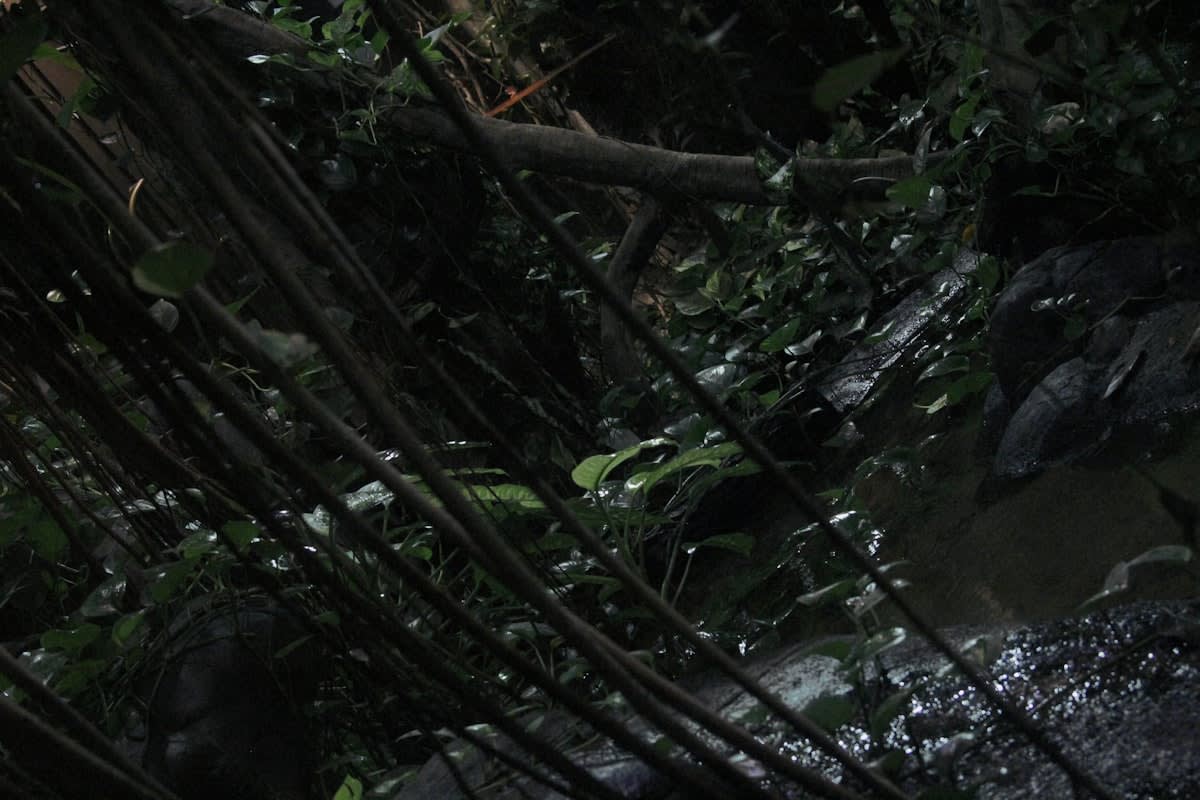
Artisanal miners release 2000 tons of mercury annually. These operations account for 37% of all global mercury pollution. Forests in the Peruvian Amazon are now absorbing high concentrations of this atmospheric poison, creating a toxic reservoir that defies simple remediation.
The Physics of Poison
Mercury does not degrade. It accumulates in food chains, causing irreversible neurological damage. This is not an environmental externality; it is a permanent biological tax.
Corporate entities attempt to polish this image with proprietary patches. ACG Metals is currently deploying a new heap leaching process at the Gediktepe Mine in Türkiye to secure higher recoveries and faster kinetics.
The Optimization Illusion
Efficiency gains often mask a refusal to abandon toxic foundations. pH7 Technologies is pursuing 99.9% pure copper cathodes in British Columbia using a closed-loop process. Natural Resources Canada provided C$5 million to validate this trial at the Gibraltar mine.
| Entity | Location | Claimed Innovation | Capital/Scale |
|---|---|---|---|
| ACG Metals | Türkiye | Proprietary Heap Leaching | Patent pending in 35 countries |
| pH7 Technologies | Canada | Closed-loop sulfide extraction | C$5M funding |
| GreenMet | West Virginia | Coal tailings rare earth recovery | $150M hub / $10B commitments |
GreenMet is attempting a larger scale play in Rupert, West Virginia. Their $150 million hub treats coal tailings as a resource for rare earth elements. This hub-and-spoke network seeks to integrate offtake agreements from Greenland, Cameroon, and New Brunswick.

Legacy waste is the only honest metric of the industry. Recovering minerals from tailings is a confession that previous extraction methods were wasteful and destructive.
The Synthetic Exit Strategy
Biological research traditionally treats the cell as a black box. Kate Adamala and the University of Minnesota have dismantled this opacity with SpudCell. This synthetic cell, built from non-living chemical components, possesses a genome of just 90 kilobase pairs.
"We've replicated in chemistry what only used to be possible in biology: the complete set of behaviors of a cell."— Kate Adamala, Synthetic Biologist
Biotic, a nonprofit founded by Adamala, aims to leverage this open-source collaboration. Their goal is to design cells that create medicines and fuels without toxic chemicals. Synthetic biology is the only viable path to decouple production from the planetary scar.
Mining will eventually hit a wall of physics and regulation. The transition to synthetic production is not about ethics. It is about the cold reality that digging holes in the ground is an inefficient way to acquire molecules.