
AI Executive Summary
"This article provides a technical blueprint for maintaining the thermal envelope of biologics across disparate infrastructure landscapes. It highlights the critical intersection of passive cooling hardware, CEIV certification, and AI-driven demand forecasting to ensure supply chain trust."
Prerequisites for High-Stakes Logistics
Hardware is the only truth. You cannot move a biologics cartridge from a factory in Hyderabad to a remote village if the thermal envelope fails. Every single link requires physical validation, not just a digital dashboard.
- Sterile fill-finish capacity (e.g., Shantha Biologics aseptic manufacturing)
- IATA CEIV Pharma certified transit nodes (e.g., GEODIS Hyderabad site)
- Passive cooling hardware (Hybrid radiative-evaporative materials)
- AI-driven demand forecasting tools for data-poor environments
- Basic rural infrastructure: Electricity, broadband, and potable water
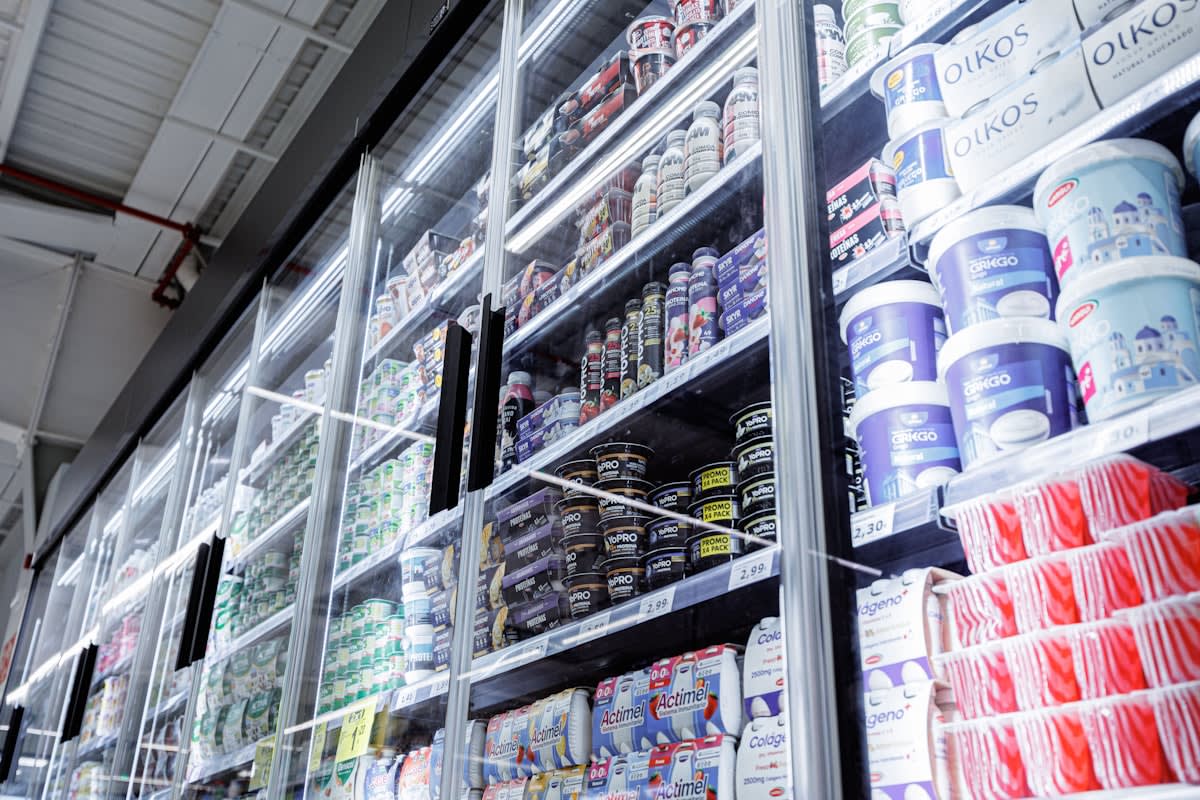
Operational friction begins the moment a product leaves the sterile environment. Logistics is a battle against heat and distance.
The Field-Tested Reality of Implementation
- Secure sterile production: Establish a partnership for cartridge fill-finish services to ensure aseptic manufacturing meets international standards, as seen in the Shantha Biologics and Novo Nordisk collaboration.
- Validate the hub: Route shipments through CEIV-certified facilities like the GEODIS Hyderabad site to maintain pharmaceutical integrity during the export phase.
- Deploy passive cooling: Integrate hybrid radiative-evaporative cooling materials which, according to Nature, can deliver triple the cooling capacity of single systems.
- Solve the decision layer: Implement route planning that optimizes vehicle capacity and minimizes driver overtime to prevent SLA failures.
- Correct for missing data: Use low-cost AI tools, similar to those developed by Wharton and Penn Engineering, to forecast demand in regions like Sierra Leone where data gaps are common.
Physics does not care about your delivery window. Hybrid radiative-evaporative cooling materials can lower peak urban temperatures by up to 4.5 degrees Celsius, which prevents cargo spoilage in heat-stressed zones.
The Cost of Failure
In Sierra Leone, the mismatch between medicine availability and delivery timing contributes to a maternal mortality rate of 717 deaths per 100,000 live births.
Geography dictates the failure point. A port failure in Mundra creates a different bottleneck than a zoning law in Rotterdam, but both end in spoiled biologics if the cooling fails.
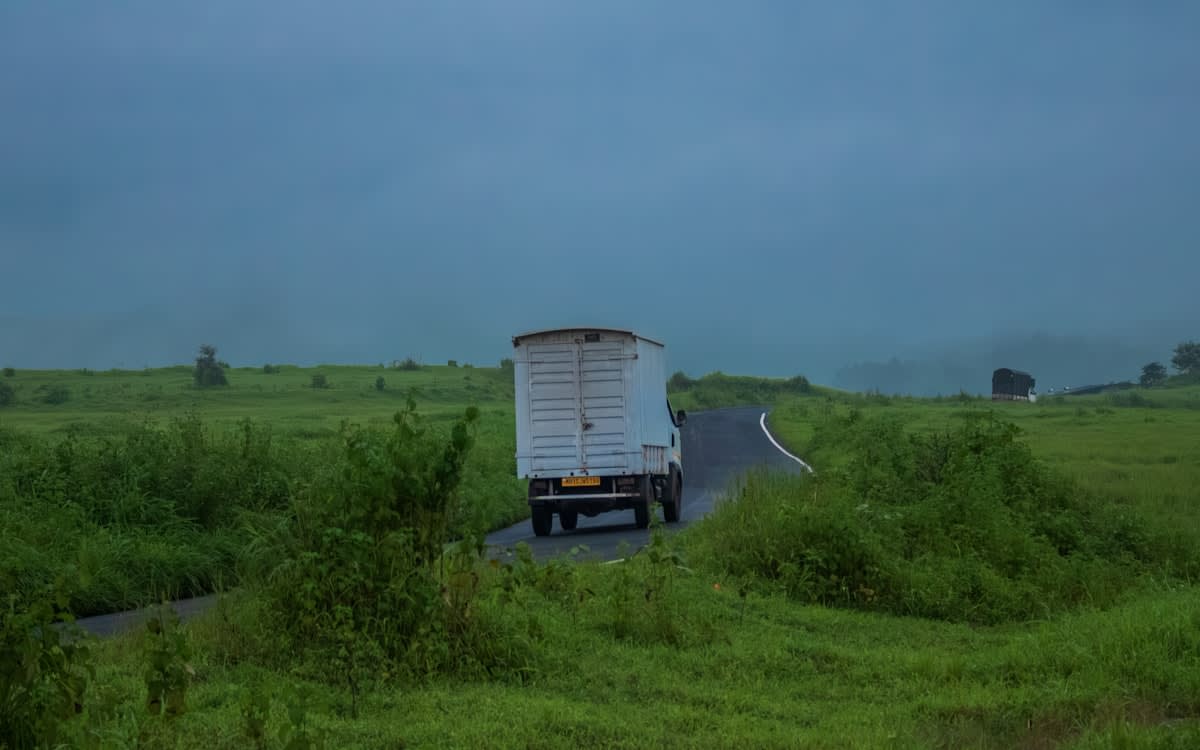
The Last-Mile Decision Layer
Route planning is the engine. Inefficient planning leads to underutilized vehicles and excessive overtime, which are not execution errors but planning failures.
| Logistics Node | Primary Friction | Technical Solution |
|---|---|---|
| Hyderabad Hub | Sterile Integrity | CEIV Pharma Certification |
| Urban Transit | Thermal Gain | Passive Radiative Cooling |
| Rural Sierra Leone | Data Voids | Low-cost AI Forecasting |
Infrastructure remains the ultimate ceiling. Rural development must provide water, electricity, and broadband before high-tech logistics can actually function on the ground.
Common Pitfalls
Over-reliance on software is a fatal mistake. Many managers assume a route planning app solves the problem while ignoring that the vehicle has no passive cooling.
Ignoring data gaps leads to waste. Applying a Western logistics model to Sierra Leone without correcting for missing data ensures that the right supplies never reach the right place.