AI Executive Summary
"This article analyzes the critical friction between digital scaling and physical resource constraints, specifically water scarcity and hardware volatility. It provides strategic insights into the necessity of grounding AI and genomic ambitions in sustainable, physical recordkeeping."
The June Reckoning
This week, the gap between digital ambition and physical reality cracked wide open. We are seeing a paradoxical surge: while the world obsesses over the abstract potential of AI and genomics, the actual machinery—the water, the silicon, and the raw recordkeeping—is hitting a wall. From the cattle ranches of South Africa to the cooling towers of England, the narrative has shifted from what we can imagine to what we can actually sustain.
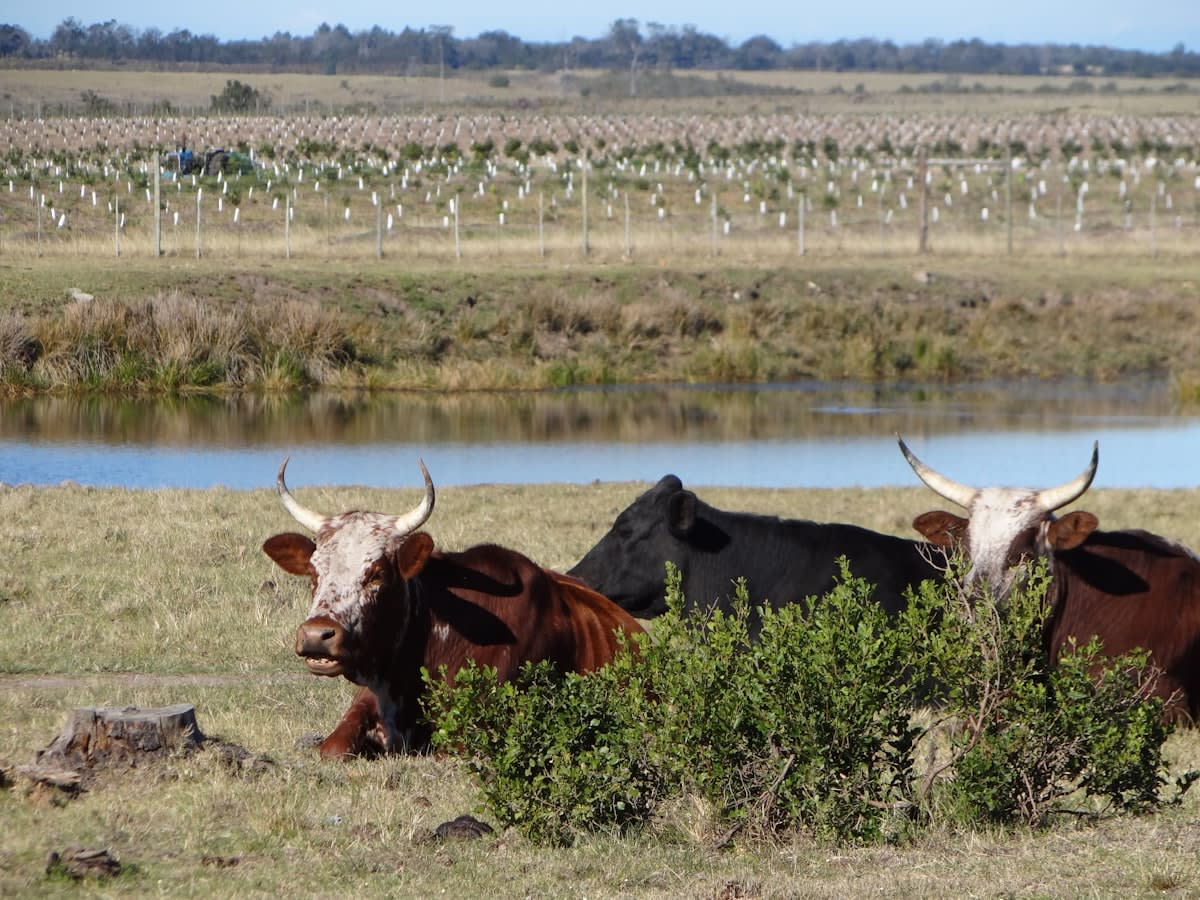
In South Africa, the beef industry is currently fighting a dualistic battle. On June 28, reports highlighted a critical divide between high-end commercial operations and resource-limited communal farmers. The urgency here isn't just about owning the best DNA; it is about the mundane act of recordkeeping. DNA shows genetic potential, but the phenotype—the actual weight and temperature of a calf—is what determines success. You cannot optimize a herd if you are not recording the basics.
The Genomics Reality Check
Genotype is the blueprint; phenotype is the building. Without meticulous records of the latter, the former is a useless map.
While farmers wrestle with phenotype data, a different kind of data reclamation is happening in the home. The trend toward Network-Attached Storage (NAS) has evolved from simple photo backups into a movement for personal cloud sovereignty. Users are no longer content to let AI companies and governments wrangle their cloud data; they are investing in their own servers to regain control.
This appetite for local control is mirrored in the hardware markets. On June 30, Samsung slashed the price of its T9 Portable SSD by 37%, bringing the 1TB model down to $180. This isn't just a sale; it's a signal. Despite rising memory prices, the race to provide sustained 2,000MB/s read/write speeds is becoming a commodity war where margins are sacrificed for market share.
| Ticker | Price Change | Market Sentiment |
|---|---|---|
| TSM | +5.3% | Strong Buy |
| GOOGL | +4.79% | Bullish |
| AMZN | +3.20% | Growth |
| META | +2.24% | Steady |
But the financial gains seen in Taiwan Semiconductor Manufacturing (TSM) and other tech giants on June 29 mask a brewing environmental crisis. The infrastructure supporting this data hunger is thirsty.

In England, a clash of data has emerged. While the industry group TechUK claims 51 percent of data centers use waterless cooling, the Environment Agency's analysis of 200 centers from 2024-2025 paints a darker picture. Hybrid systems remain water-intensive, and summer peaks are posing severe risks to water-stressed regions. The scale of these centers is now exacerbating the very heatwaves they are trying to survive.
"Industry lobby groups paint a rosy picture, but the metered water usage data confirms that hybrid cooling systems are still water intensive."— Environment Agency Analysis
Even at the microscopic level, stability is the primary concern. Research published on June 30 in Nature reveals how the ATRX chromatin remodeler safeguards genome and telomere integrity. The failure of these systems leads to replication fork stalling and cell death. It is a biological echo of our digital infrastructure: when the underlying stability fails, the entire system collapses.
Hardware Pricing Delta (June 2026 vs Standard Retail)
Executive Insight
+18.4%
YTD Growth
The Bottom Line
The delta between last year and now is clear: the honeymoon phase of 'limitless' data is over. Whether it is a goat farmer in South Africa realizing that DNA is useless without a thermometer, or a government in England realizing that AI needs more water than the local aquifer can provide, the physical world is asserting itself. Resilience will not come from more processing power, but from better recordkeeping and a brutal accounting of our physical resources.