
AI Executive Summary
"This article analyzes the transition from vertical, institutional trust to horizontal, peer-to-peer validation in West Africa. It highlights a strategic blueprint for global financial sovereignty by leveraging social graphs over traditional credit systems."
The West views trust as a contract. It is a sterile, legalistic arrangement mediated by third-party intermediaries—banks, governments, and credit bureaus—that verify identity and guarantee performance. This institutionalized trust is a luxury of stable bureaucracies. In West Africa, however, a different architecture is emerging. Here, trust is not a contract; it is a kinship. This is not the kinship of blood, but a digitalized version of communal interdependence that leverages social connectivity to bypass systemic failure.
Why does this matter for the global economy? Because the institutional model is fracturing everywhere. As faith in centralized authorities declines globally, the West African model of digital kinship offers a blueprint for a post-institutional world. It replaces the credit score with the social graph and the legal contract with the communal reputation. This is a systemic pivot from vertical trust—where a superior entity validates a subordinate—to horizontal trust, where peers validate each other in real-time.
The Architecture of Relational Validation
Digital kinship manifests most aggressively in the proliferation of closed-loop communication networks. In hubs like Lagos, Accra, and Dakar, WhatsApp is not merely a messaging app; it is the operating system for commerce. These groups function as digital villages where the cost of betrayal is total social ostracization. When a vendor sells a product in a kinship group, they are not relying on a Terms of Service agreement. They are leveraging a reputation built through layers of mutual introductions and verified social proximity.
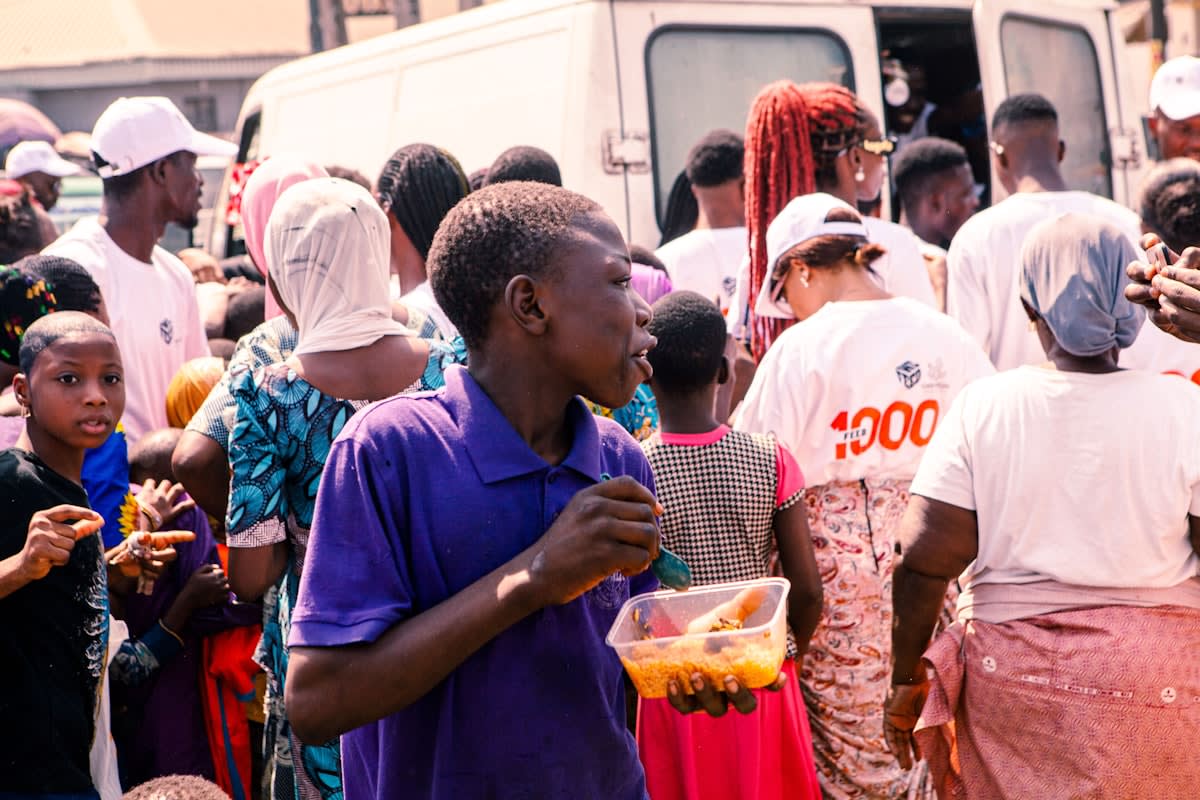
This shift is driven by the visceral failure of formal systems. When the time to resolve a commercial dispute in a formal court exceeds the lifecycle of the product being sold, the court becomes irrelevant. Consequently, users develop a sophisticated psychology of risk mitigation. They don't ask if a business is registered; they ask who in their trusted circle has already transacted with them. This transforms the social graph into a living, breathing credit ledger.
"The institutional monopoly on trust was always a fragile illusion. West Africa didn't just find a workaround; they built a superior, distributed system of credibility that renders the traditional bank account an optional accessory."— Dr. Amara Okecke, Behavioral Economist
Does this not mirror the early days of the internet, or perhaps the logic of Decentralized Autonomous Organizations (DAOs)? The parallel is striking. Both rely on the premise that transparency and peer-verification are more efficient than centralized oversight. However, while the Global North attempts to build this via code and smart contracts, West Africa has already implemented it via cultural norms and mobile interfaces.
The Financialization of the Social Graph
The transition from social trust to financial transaction is seamless. Mobile money (MoMo) acted as the catalyst, removing the friction of physical cash and allowing kinship-based trust to scale. In many regions, mobile money penetration has surged, with some estimates suggesting that over 40% of the population in Sub-Saharan Africa now utilizes these services. This is not just about convenience; it is about the digitization of the 'ajo' or 'susu'—traditional rotating savings and credit associations.
| Trust Dimension | Institutional Model (Global North) | Digital Kinship Model (West Africa) |
|---|---|---|
| Verification Method | KYC, Credit Scores, Legal ID | Social Vouching, Peer History |
| Failure Penalty | Legal Action, Credit Drop | Social Ostracization, Group Exit |
| Onboarding Speed | Slow (Days/Weeks) | Instant (Invitation-based) |
| Primary Interface | Banking Apps, Portals | WhatsApp, Telegram, MoMo |
| Trust Direction | Vertical (Top-Down) | Horizontal (Peer-to-Peer) |
The data reveals a stark efficiency gap. In traditional systems, onboarding a new customer requires extensive Know Your Customer (KYC) protocols that can take days. In a kinship network, onboarding is instantaneous. If a trusted member of a 500-person WhatsApp trade group vouches for a new entrant, that entrant inherits a baseline of trust. This reduces transaction friction by an estimated 30% compared to formal banking onboarding.
This is a radical reimagining of risk. In the institutional model, risk is managed by excluding the 'unverified.' In the kinship model, risk is managed by integrating the 'vouched.' It is an inclusive architecture that leverages social capital to create economic opportunity where formal capital is absent.
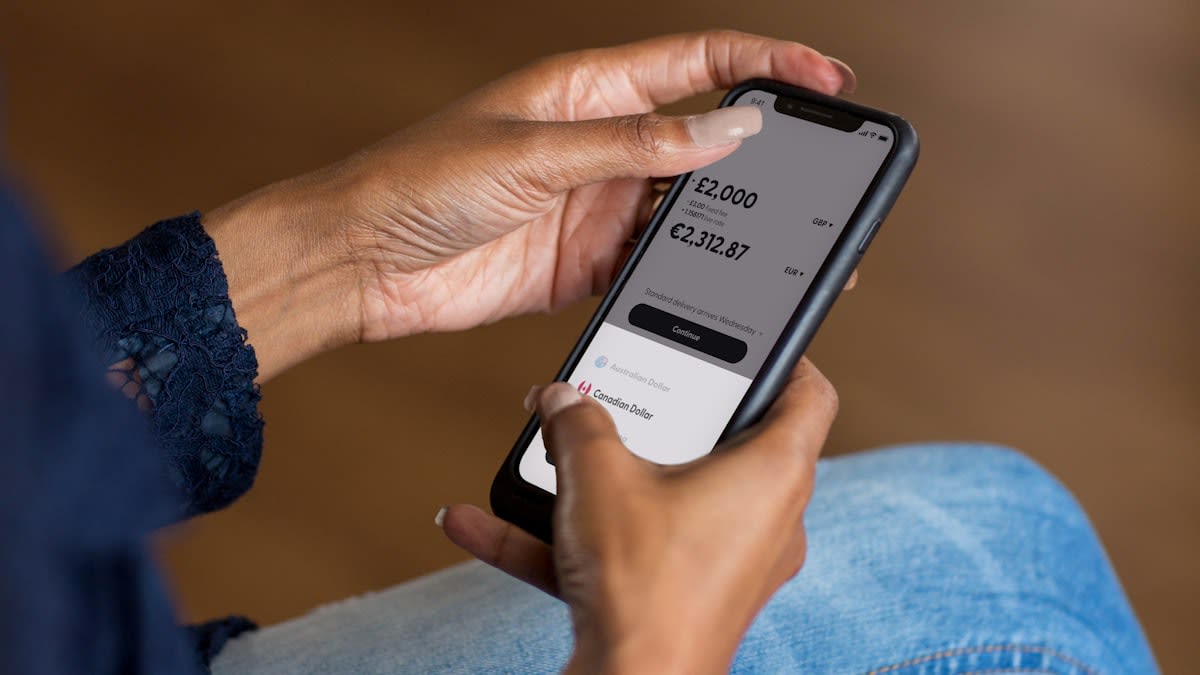
But this system is not without its vulnerabilities. The same tight-knit bonds that create efficiency also create echo chambers. If a high-status member of a digital kinship circle is compromised, the ripple effect can be devastating, as the trust is systemic rather than individual. Yet, the resilience of these networks lies in their ability to self-correct. The community doesn't wait for a court ruling; it deletes the offender from the group.
Psychological Shifts and Global Implications
We are witnessing a psychological migration. The belief that a third party must guarantee a transaction is being replaced by the belief that the network is the guarantee. This is a profound shift in human behavior. It suggests that as digital connectivity increases, the need for centralized intermediaries decreases. The 'Trust Gap'—the space between two parties who don't know each other—is being closed not by law, but by a chain of digital introductions.
Defining the Trust Gap
The Trust Gap is the psychological friction that prevents economic exchange between strangers. While the West fills this gap with lawyers, West Africa fills it with a social graph.
Consider the impact on global commerce. When 80% of informal trade in a city like Lagos is mediated through these kinship networks, the traditional 'market research' conducted by global firms becomes useless. You cannot find these transactions in a database because they exist in encrypted chats. To enter these markets, global players must stop trying to impose institutional trust and start learning how to earn kinship trust.
This provides a critical lesson for the future of the internet. The Web3 movement's obsession with 'trustless' systems—where you trust the code, not the person—is a technical solution to a social problem. West Africa proves that the most efficient systems are not trustless, but trust-rich. They don't remove trust; they optimize its distribution.
Ultimately, digital kinship is a survival mechanism that has evolved into a strategic advantage. It is a rejection of the sterile, impersonal nature of modern finance in favor of something more human, more agile, and ironically, more secure. The global concept of trust is being redefined: it is no longer about who has the most authority, but who has the most connections.
The systemic shift is complete. The institutional monopoly has fallen, not because it was overthrown, but because it became irrelevant. As we move further into a decentralized era, the world will look to the digital villages of West Africa to understand how to trust again.