AI Executive Summary
"This article analyzes the strategic shift from centralized global manufacturing to distributed, point-of-need production. It highlights how additive manufacturing is being deployed in defense and energy sectors to eliminate supply chain vulnerabilities and redefine geopolitical power."
Lagos now hosts the Omnifactory. This facility marks West Africa's first multi-technology industrial additive manufacturing hub, commissioned by Arridex on June 30, 2026. Arridex is targeting the oil and gas sector to kill lead times that previously crippled local operations.
Hawaii will see a different version of this logic during RIMPAC 2026. The Naval Postgraduate School is deploying the largest advanced manufacturing demonstration in Department of War history. Ships will print their own replacement parts while at sea to avoid the failure of long-distance supply lines.
ASEAN Production Hierarchies
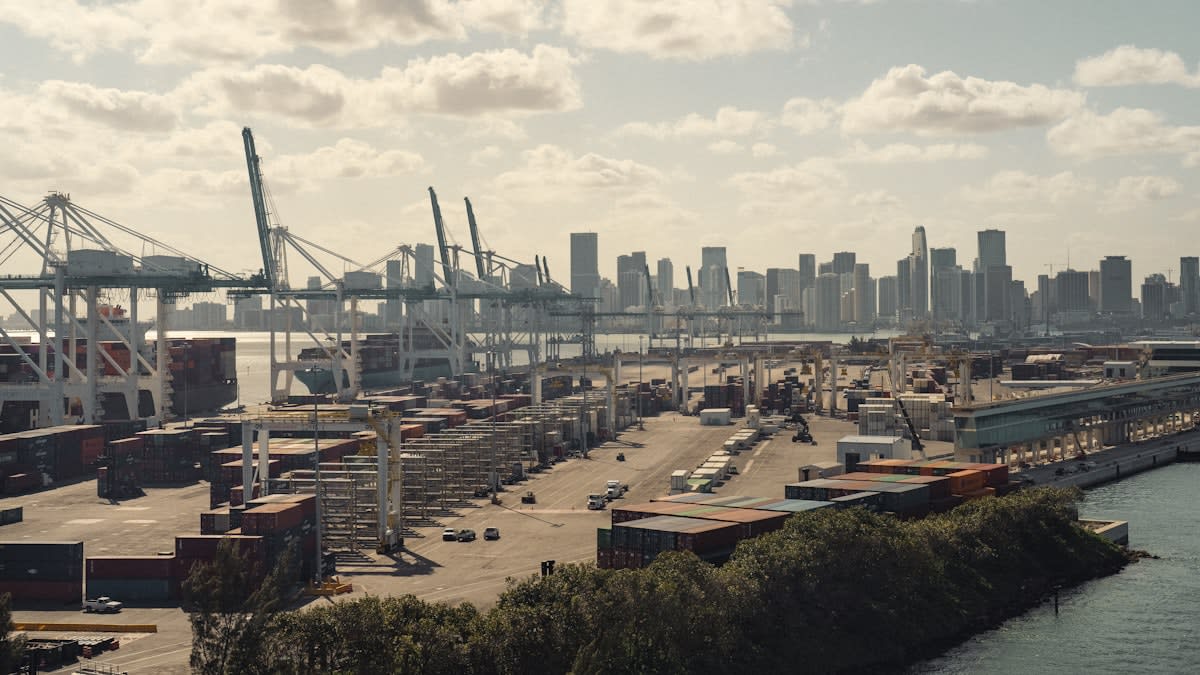
China is no longer just the world's factory. It has become a factory of factories, exporting intermediate components for final assembly in Southeast Asia. Data shows US$6.12b (up to $7.9b) flowed into ASEAN processing and manufacturing recently.
Malaysia just overtook Vietnam for second place in the Asia Manufacturing Index 2026. Such a change proves that footprints optimized for 2024 are already obsolete. Localized agility now determines who wins in these markets.
ASEAN Manufacturing Index Relative Position 2026
Executive Insight
+18.4%
YTD Growth
This regional movement mirrors a broader global death of the centralized hub. Intelligence suggests a move toward distributed autonomy.
Combat Logistics and Subsurface Gaps
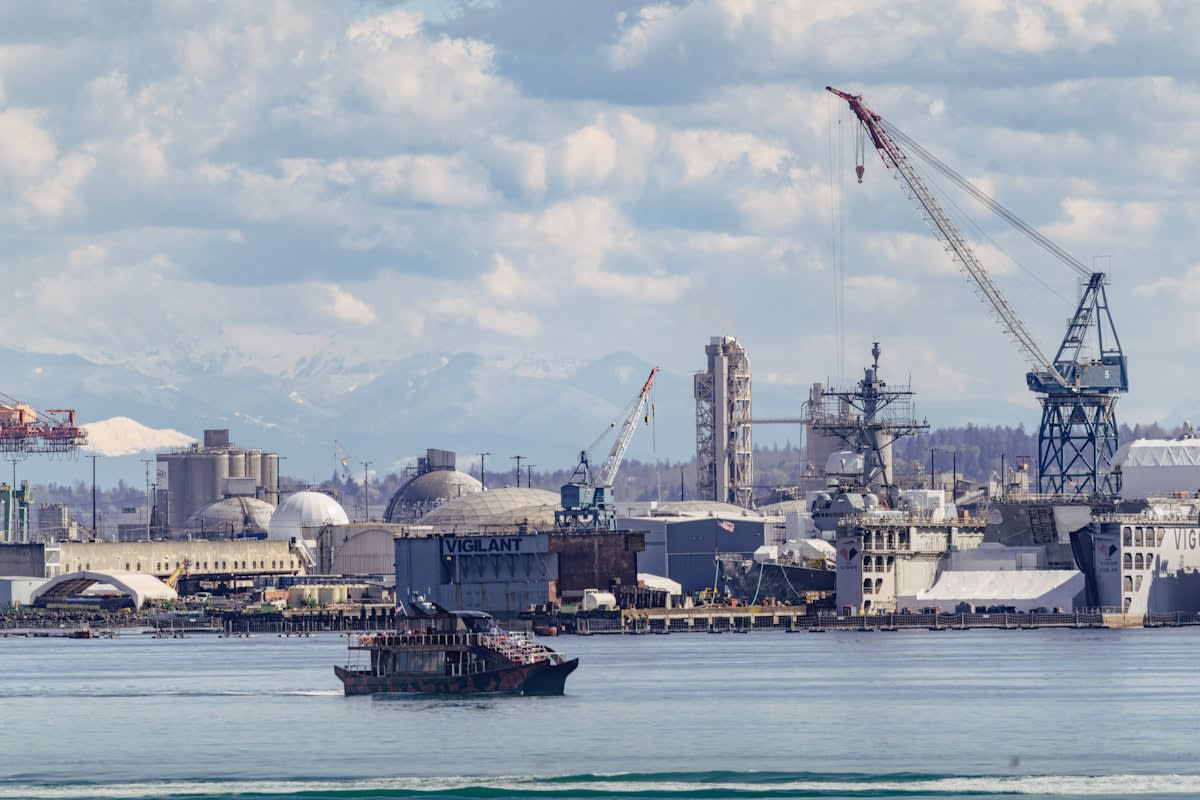
Submarines cannot wait for a cargo plane when a plastic dust cap fails. NAVSUP WSS is partnering with the DLA and NAVSEA to 3D-print these essential maintenance items. Metal additive manufacturing is the only way to fix the submarine industrial base's capacity gaps.
"Metallic additive manufacturing is the path to the capability and capacity you need for critical materials in the submarine industrial base."— Matt Sermon, former Executive Director of PEO Strategic Submarines
Failure in these systems means a vessel stays in port. The Navy's Additive Manufacturing Center of Excellence now prototypes new materials to ensure rapid-response maintenance for the undersea fleet.
Industrial Hardening and Medical Scale
Medical device production has already hit industrial scale. Established OEMs like EOS, GE Additive, and SLM Solutions now dominate the certified production landscape. These firms have moved beyond prototyping into high-volume, certified medical hardware.
| Market Sector | Key Industrial Players | Primary Driver |
|---|---|---|
| Medical Devices | EOS, GE Additive, Stratasys | Certification/Precision |
| Defense/Naval | NPS CAMRE, NAVSUP WSS | Distributed Readiness |
| West African Energy | Arridex | Import Substitution |
Comparing today's data to early 2025 reveals a massive delta. Manufacturing has stopped being a place you go and has become a capability you deploy.