
AI Executive Summary
"This article argues that true industrial scale is achieved through physical hardware optimization rather than software alone. It provides strategic blueprints for cold-chain, pharmaceutical, and satellite infrastructure deployment."
The Physical Toll of Scale
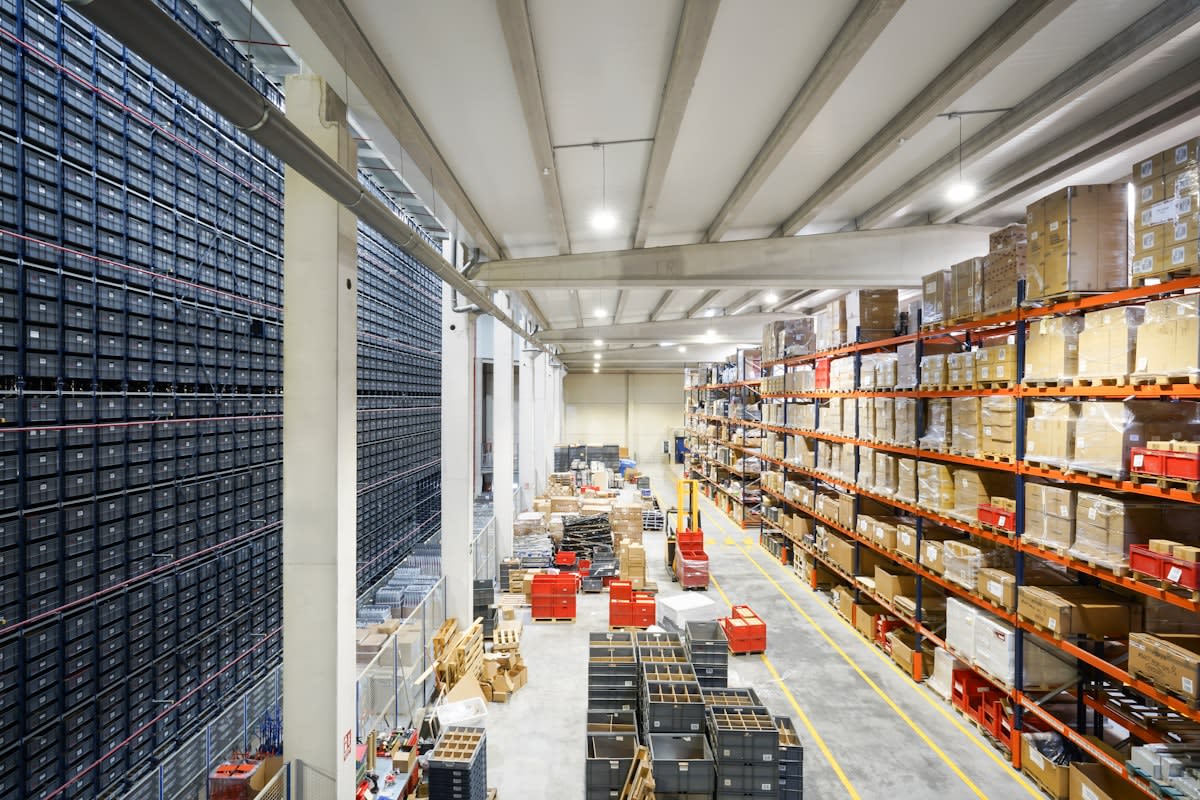
Cold air kills batteries. Most robots freeze before they finish a shift. Locus Robotics solved this for HelloFresh by deploying cold-storage hardware modifications. This operational friction vanished, allowing chilled SKU capacity to jump from 100 to 500 as of June 2026.
Field-Tested Reality
HelloFresh scaled chilled fulfillment fivefold using Locus Origin platforms. This was not a software update; it was a hardware modification.
Hardware is not just about robots. It is about the sterile glass of a cartridge or the dish of a satellite. Real scale happens in the dirt and the deep freeze.
Prerequisites for Industrial Scaling
- Environment-specific hardware mods (e.g., Locus Origin cold-storage mods)
- Specialized sterile fill-finish capacity for biologics
- IATA CEIV Pharma certified logistics hubs
- Low Earth Orbit (LEO) satellite hardware for rural connectivity
- Human procurement talent capable of translating AI data into judgment
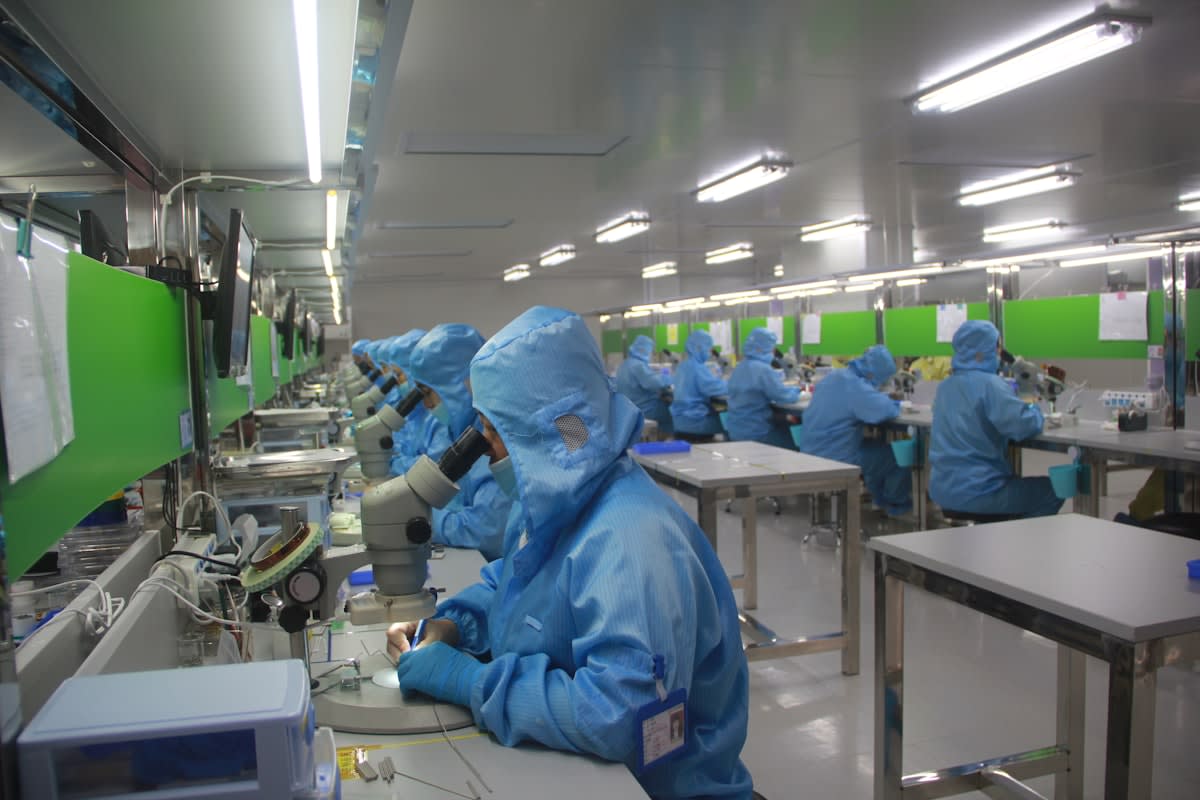
Hyderabad is the world's pharmacy. Shantha Biologics recently entered an outsourcing agreement with Novo Nordisk to provide cartridge fill-finish services in India. GEODIS is backing this physical capacity with IATA CEIV Pharma certification for its Hyderabad site.
The Blueprint for High-Stakes Logistics
- Modify the hardware for the environment. Locus Robotics proved that specific mods are required to move from 100 to 500 SKUs in chilled settings.
- Secure certified hubs. GEODIS utilized the Hyderabad life sciences hub to achieve IATA CEIV Pharma certification, ensuring pharmaceutical shipments meet international standards.
- Outsource specialized production. Shantha Biologics leverages purpose-built sterile fill-finish capacity to support global partners like Novo Nordisk.
- Solve the last-mile signal. Starlink increased its New Zealand rural residential broadband market share from 18% to 27% by deploying LEO hardware.
- Apply human judgment. Procurement teams must frame AI-flagged supply chain vulnerabilities as risk mitigation investments rather than simple cost increases.
| Region | Physical Asset | Outcome/Metric |
|---|---|---|
| Hyderabad, India | CEIV Pharma Hub/Fill-Finish | Novo Nordisk Partnership |
| Rural New Zealand | LEO Satellite Hardware | 27% Market Share |
| HelloFresh Hubs | Cold-Storage Robot Mods | 500 SKU Capacity |
Rural New Zealand proves that signal is a physical asset. Competition from Amazon LEO forced Starlink to remove hardware costs from residential plans. Consumers saved up to NZ$599.
"Hyderabad is one of the world's most important pharmaceutical manufacturing and export hubs, making it a strategic location for our healthcare logistics network."— Chris Cahill, Managing Director, GEODIS Middle East and India Sub-continent
AI does not buy the parts. Humans do. Procurement leaders must translate data into sound judgment to move the business forward.
Common Pitfalls
- Ignoring the physics of temperature when deploying warehouse robots
- Assuming AI can replace the human narrative required to justify higher-cost, lower-risk suppliers to finance
- Overlooking the necessity of site-specific certifications like IATA CEIV Pharma in regional hubs
- Underestimating the impact of hardware price wars in LEO satellite markets