
AI Executive Summary
"This article analyzes the strategic shift of medical diagnostics from centralized hospitals to integrated home and body interfaces. It highlights the convergence of agentic AI and invisible hardware as a catalyst for a new, home-first healthcare infrastructure."
The Week the Hospital Walls Vanished
Between June 29 and June 30, 2026, the boundary between clinical care and daily existence evaporated. We are no longer talking about the future of telemedicine; we are witnessing the active dismantling of the traditional clinic. In a concentrated 48-hour window, the industry moved from passive monitoring to autonomous AI decision-making and invisible, skin-integrated diagnostics.
The most aggressive move came from the United States, where AI is no longer just a scribe or a suggestion engine. Doctronic has partnered with Simple HealthKit to bridge at-home screening with AI-powered clinical care. This is not a mere app integration. In Utah, a first-in-the-nation pilot program now allows Doctronic's AI to legally participate in medical decision-making for patients with chronic conditions requiring prescription renewals.
"In the near future we will also be directing patients at risk to Simple HealthKit for at-home testing, but that is a fast follow."— Adam Oskowitz, M.D., co-CEO and co-founder of Doctronic
The ripple effect here is immediate. By combining 24/7 AI doctor access with home kits for diabetes, kidney disease, and STDs, the patient journey is being compressed. The time between symptom onset and prescription is shrinking from weeks of appointments to a few hours of digital interaction.
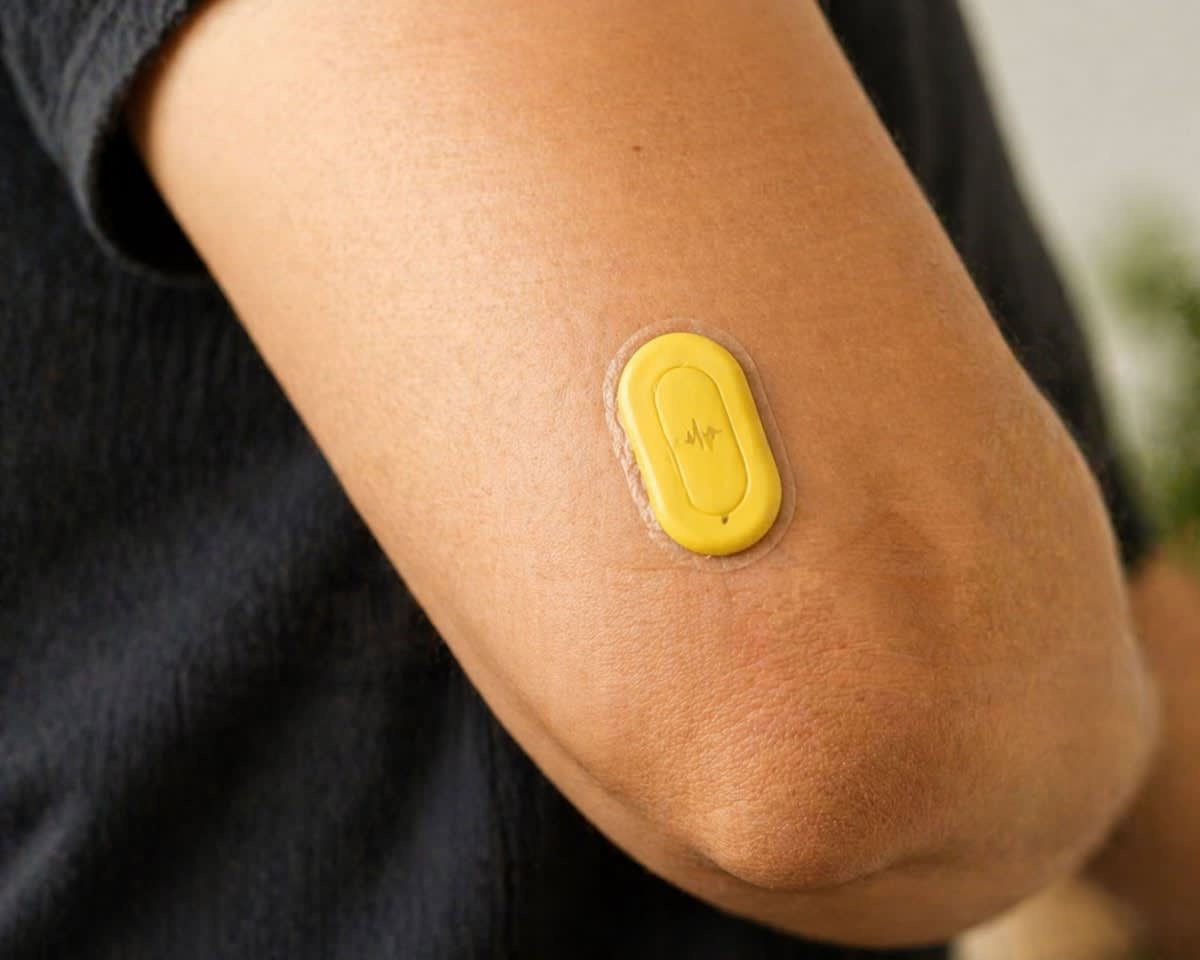
While AI handles the logic, the hardware is becoming invisible. Nature reported on June 30 the development of a low-cost UWB CPW microwave tattoo sensor. This ultra-thin, transparent interface operates across an ultra-wide bandwidth of 2.4 to 17 GHz. It does not just track steps; it monitors respiratory patterns to provide non-invasive indicators for epilepsy-related seizures.
Hardware Breakthrough
The technical leap here is the stability. Bending and crumpling tests confirm that these sensors maintain stable impedance, meaning the diagnostic quality doesn't degrade as the patient moves. This is medicine that lives on the skin, not in a strap.
This decentralization extends into the lab, where the scale of testing is exploding. An international team, including the University of Tokyo, has launched a device inspired by the lateral line of fish. This sensor allows researchers to monitor the pulse and rhythm of hundreds of 3D heart organoids—tiny bundles of cells no larger than 3 millimeters—simultaneously.
| Diagnostic Layer | Traditional Paradigm (Pre-2026) | Emergent Paradigm (June 2026) |
|---|---|---|
| Clinical Decision | Human Physician Visit | Legally Authorized AI (Utah Pilot) |
| Patient Monitoring | Wearable Devices/Clinics | Transparent Microwave Tattoos |
| Genomic Analysis | Static Single-Pass Review | Automated Reanalysis (Talos) |
| Drug Testing | Low-throughput Organoids | Scalable Fish-inspired Multi-well Plates |
Even the data we already possess is being weaponized for better outcomes. The Talos tool, highlighted in Nature on June 29, enables automated reanalysis of genomic data for rare diseases. A systematic review of 29 reanalysis studies revealed a diagnostic yield of 10%, proving that the answer to a patient's mystery illness often already exists in their old data—it just needs a more efficient lens.
However, this rapid evolution reveals dangerous blind spots. As we optimize the high-tech, the low-tech continues to fail. CIDRAP reported on June 29 a listeriosis outbreak in Canada that killed three people, traced to pasteurized plant-based milk. This marks the first known outbreak of its kind, proving that our alternative food systems are creating new, unmonitored vectors for disease.
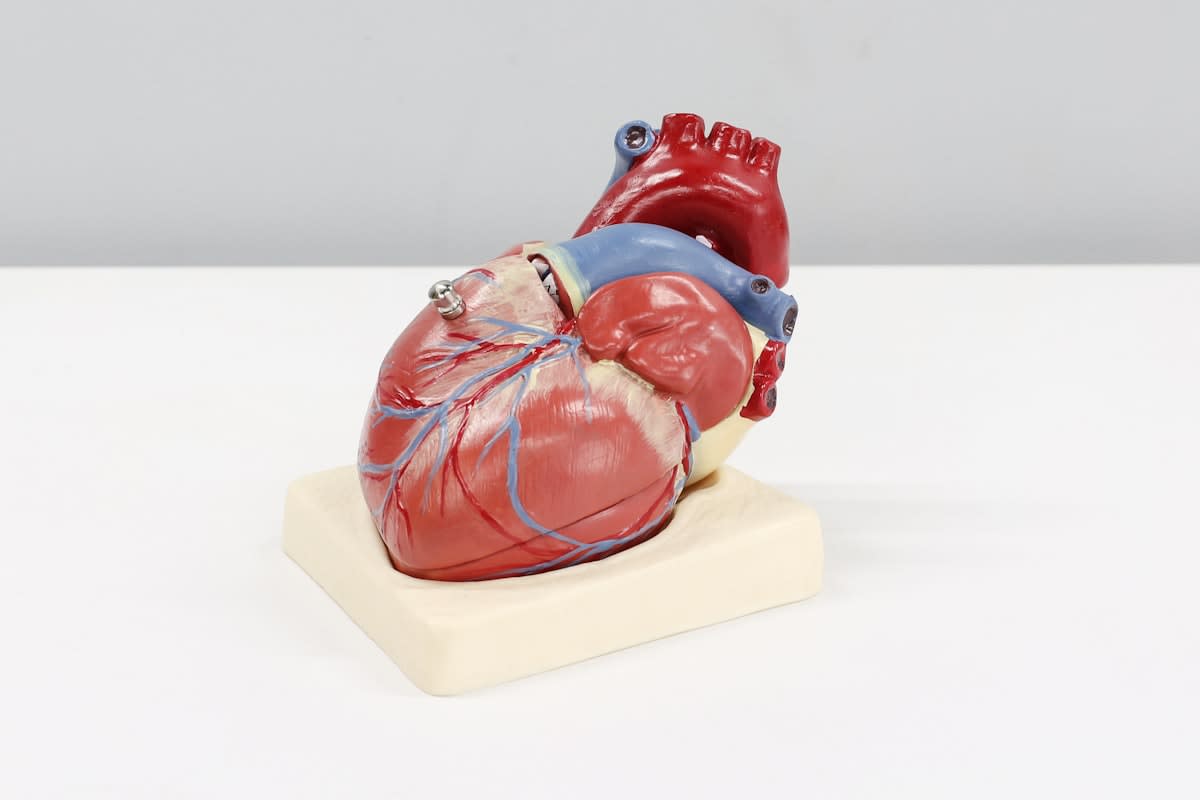
The contrast is stark. In Tokyo, we are measuring the pulse of synthetic hearts with fish-inspired precision; in Canada, we are discovering that coconut-based beverages can be lethal. This is the reality of 2026: a world of extreme precision existing alongside systemic vulnerabilities.
The immediate ripple effect is a shift in power. When a tattoo can detect a seizure and an AI can legally renew a prescription, the hospital becomes a place for acute crisis, not chronic management. The strategist's move now is to integrate these fragmented wins into a resilient, home-first health stack.