
AI Executive Summary
"This article analyzes the disconnect between macroeconomic biotech projections and the operational reality of commercial failure. It highlights the critical role of skilled labor and strategic capital distribution in achieving true industrial scale."
Macro Optimism Versus Micro Failure
China targets a 2.5 trillion yuan industrial internet market by 2030. Such macroeconomic projections often ignore the granular rot seen in early-stage ventures. Goldenwell Biotech reported a net loss of 296,471 dollars for FY 2025. This specific failure highlights the gap between state-sponsored optimism and commercial viability.
| Metric | FY 2024 | FY 2025 |
|---|---|---|
| Revenue | $139 | $55 |
| Net Loss | $131,498 | $296,471 |
| Diluted EPS | $-1.33 | $-2.99 |
Revenue for Goldenwell fell by 60.4 percent in a single year. Nominal sales indicate a total lack of commercial traction. Investors are left holding the bag while companies claim to be planning expanded commercial activities. These promises are rarely backed by the physics of the balance sheet.
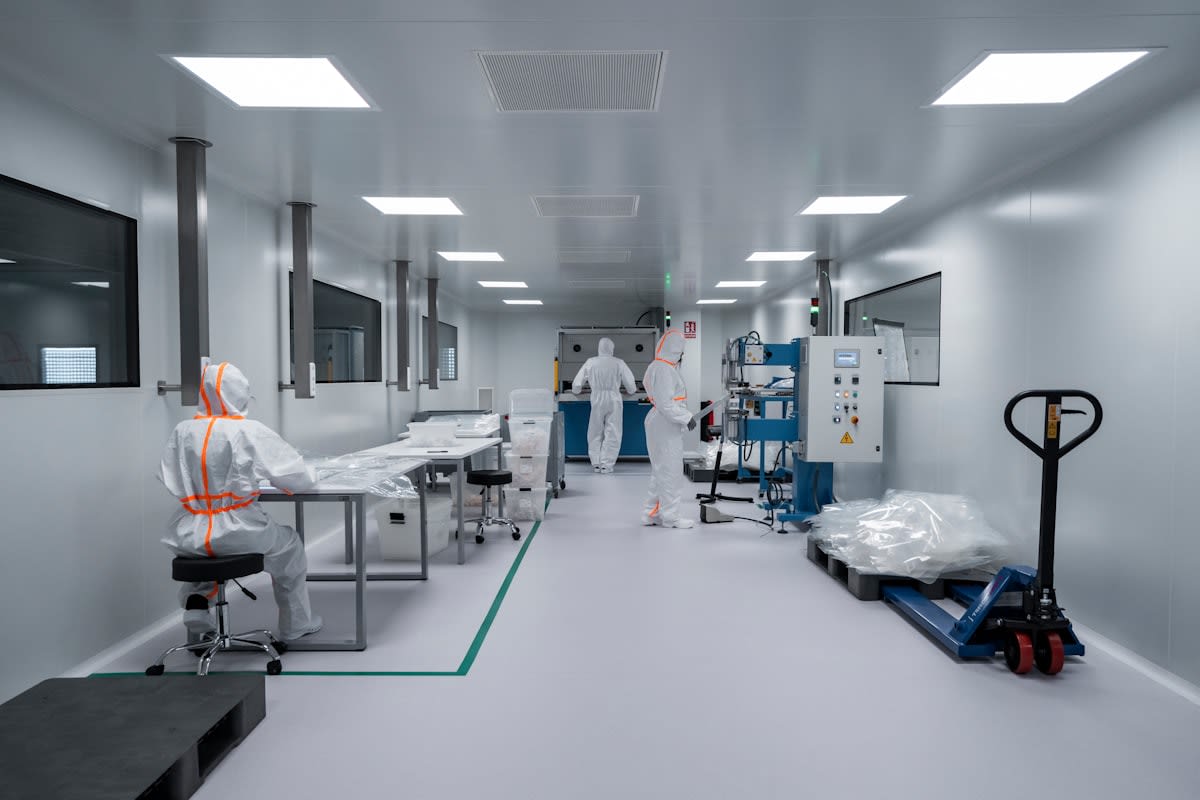
India pursues indigenous manufacturing for molecular biology reagents. Dependency on imports became an unacceptable strategic liability during the pandemic. Contrast this with the UK's Golden Triangle. Capital and talent are trapped in a tight cluster, preventing regional scaling despite world-class science.
The Concentration Trap
The Golden Triangle concentration creates a bottleneck where science is world-class but scaling is stifled by limited talent mobility and tightening early-stage capital.
Regional growth in the UK remains uneven. Nottingham and Dundee produce innovation, yet the core hub remains the only viable exit for most. This geographic rigidity slows the ability of new companies to reach industrial scale. Science is not the bottleneck; capital distribution is.
The Labor Deficit and Operational Friction
Manus and BioMADE are building 18-month apprenticeship programs. The industry lacks workers capable of handling fermentation and downstream purification. Training is a desperate response to a missing middle class of technicians. Without these operators, advanced bioreactors remain expensive ornaments.
"The cost and complexity of legacy biomanufacturing systems is the major constraint to practical deployment."— Brian Heligman, PhD
Operational failures are often hidden behind academic credentials. PhDs cannot run a pilot plant. Practical skills in sterilization and contamination control are vanishingly rare. This gap ensures that reshoring manufacturing remains a theoretical exercise for many.
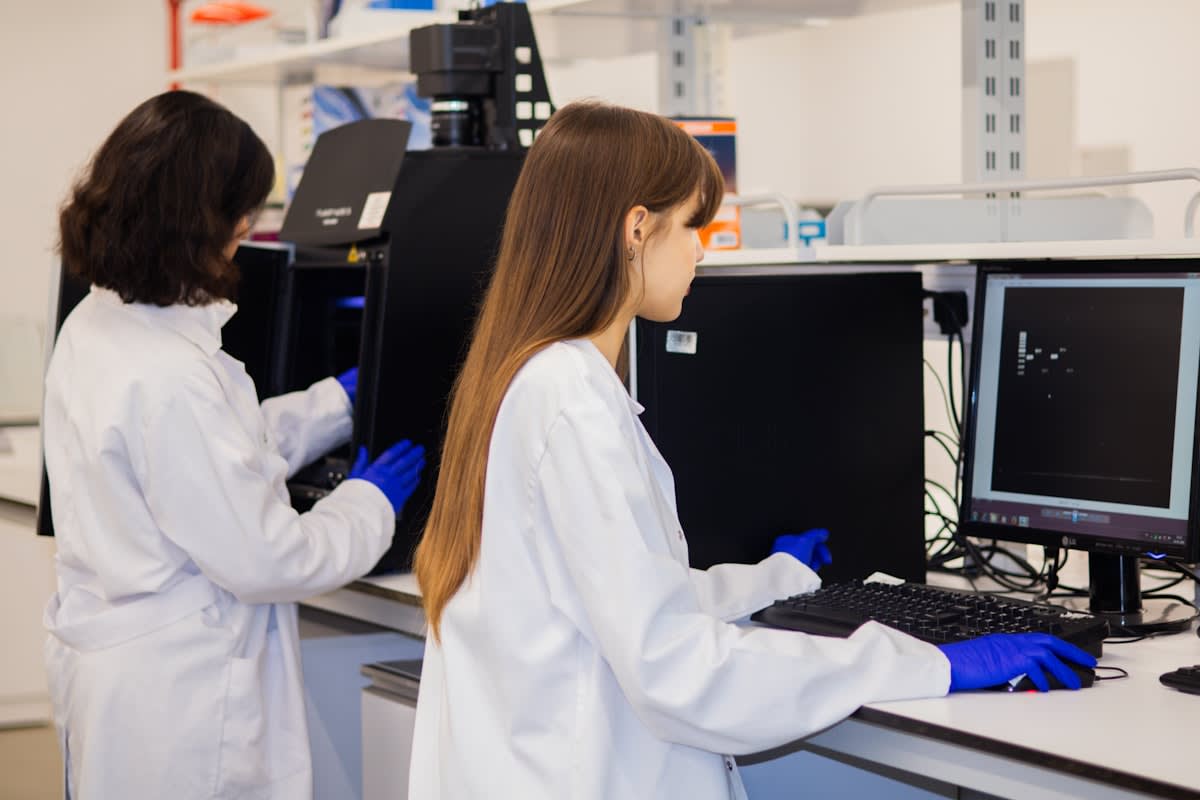
Biosphere is absorbing NovoNutrients assets. Department of War contracts provide a safety net that commercial markets currently refuse. Eliminating steam-in-place sterilization reduces operational complexity. Military funding effectively subsidizes the R&D that private capital avoids.
China Industrial Internet Target (2030)
Executive Insight
+18.4%
YTD Growth
Government targets in China aim for 50,000 industrial 5G private networks. Digital coverage of 207 sub-categories is the goal. Such numbers look impressive in a policy brief. They mean nothing if the underlying mechanical industries cannot integrate the hardware.