AI Executive Summary
"This article analyzes the intersection of hydrologic engineering and urban waste management to prevent Jakarta's subsidence. It highlights the strategic shift toward non-thermal water recovery and the critical role of human capital in maintaining industrial-scale resource efficiency."
The Subsidence Signal
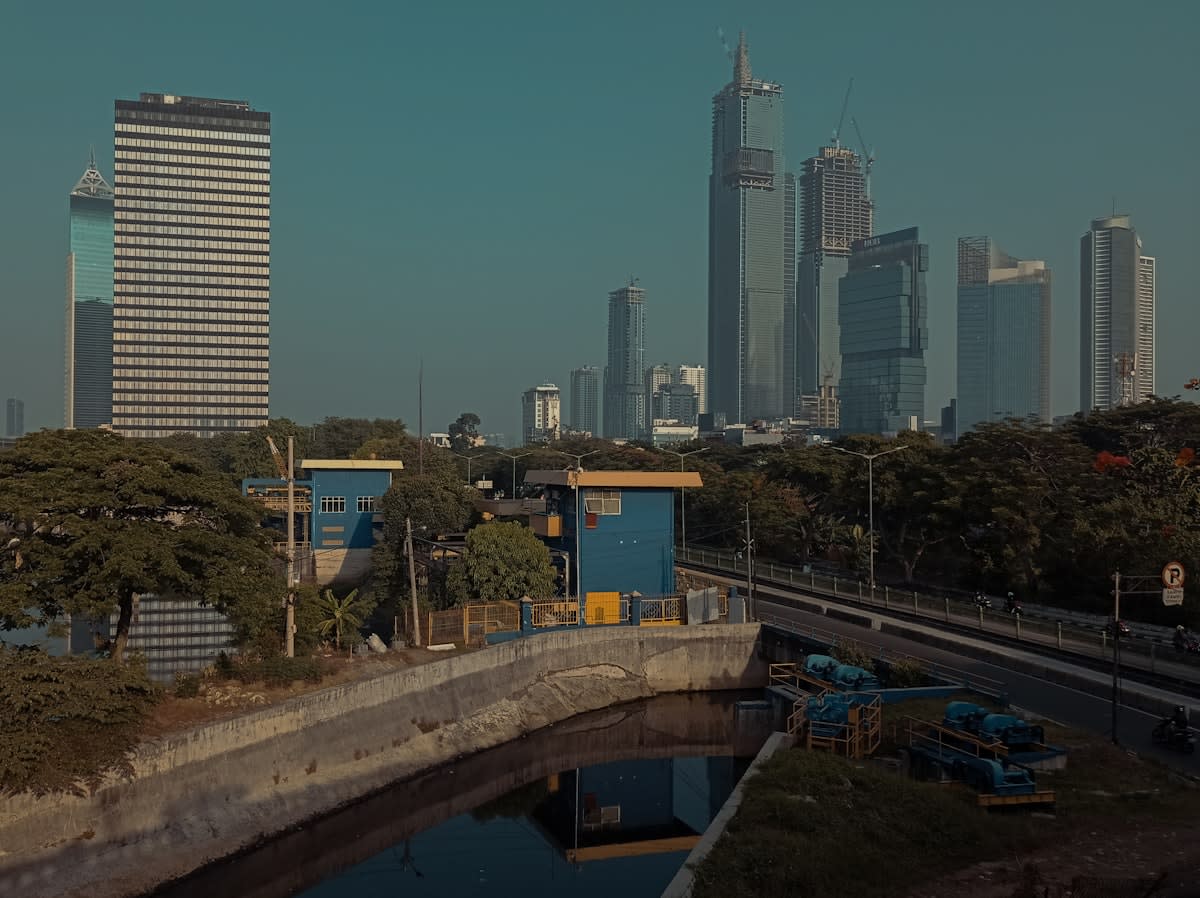
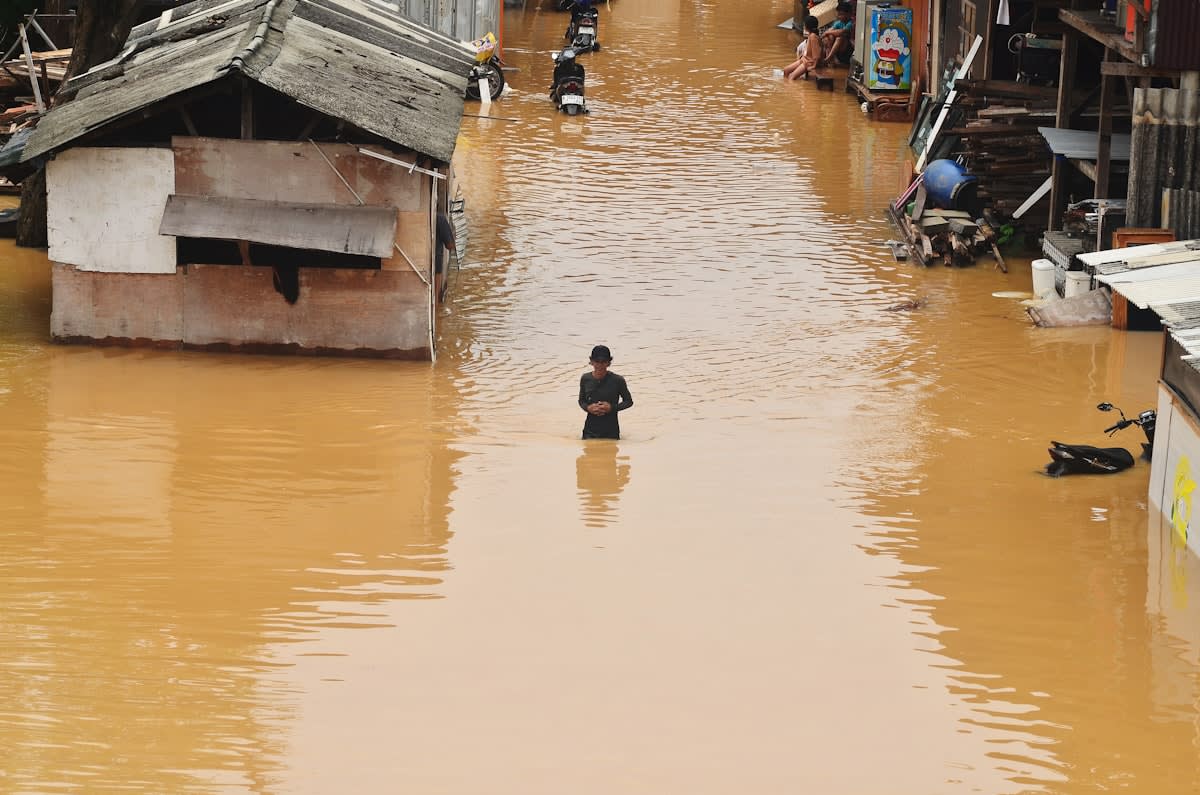
Jakarta is sinking. Groundwater depletion drives the city into the Java Sea at an unsustainable rate. Recent intelligence identifies Managed Aquifer Recharge (MAR) as the primary mechanism to reverse this trend. Nature reports that Southeast Asia is a global hotspot for MAR potential, with certain regions capable of offsetting more than 50% of unsustainable irrigation and water consumption.
Data from the Gravity Recovery and Climate Experiment (GRACE) confirms the severity of the depletion. Infiltration suitability now determines the success of these recharge efforts. Evaporative competition remains a primary constraint in tropical climates, limiting the efficiency of surface-based infiltration. These physical limits dictate exactly where water is stored and how it is diverted from high-magnitude flows.
Regional Variance
Global MAR potential averages between 4% and 6% for offsetting unsustainable irrigation, but the Southeast Asian corridor represents a critical anomaly with offset potentials exceeding 50%.
Industrial Water Recovery Parallels
Chile provides a blueprint for extreme water transport and recovery. BHP is currently implementing a new water supply system for the Cerro Colorado copper mine. This project utilizes a pipeline spanning over 100 kilometers from the commune of Alto Hospicio to transport treated wastewater to the mine site. Such unprecedented infrastructure proves that industrial-scale water recovery is the only viable path when the cost of inaction is total operational cessation.
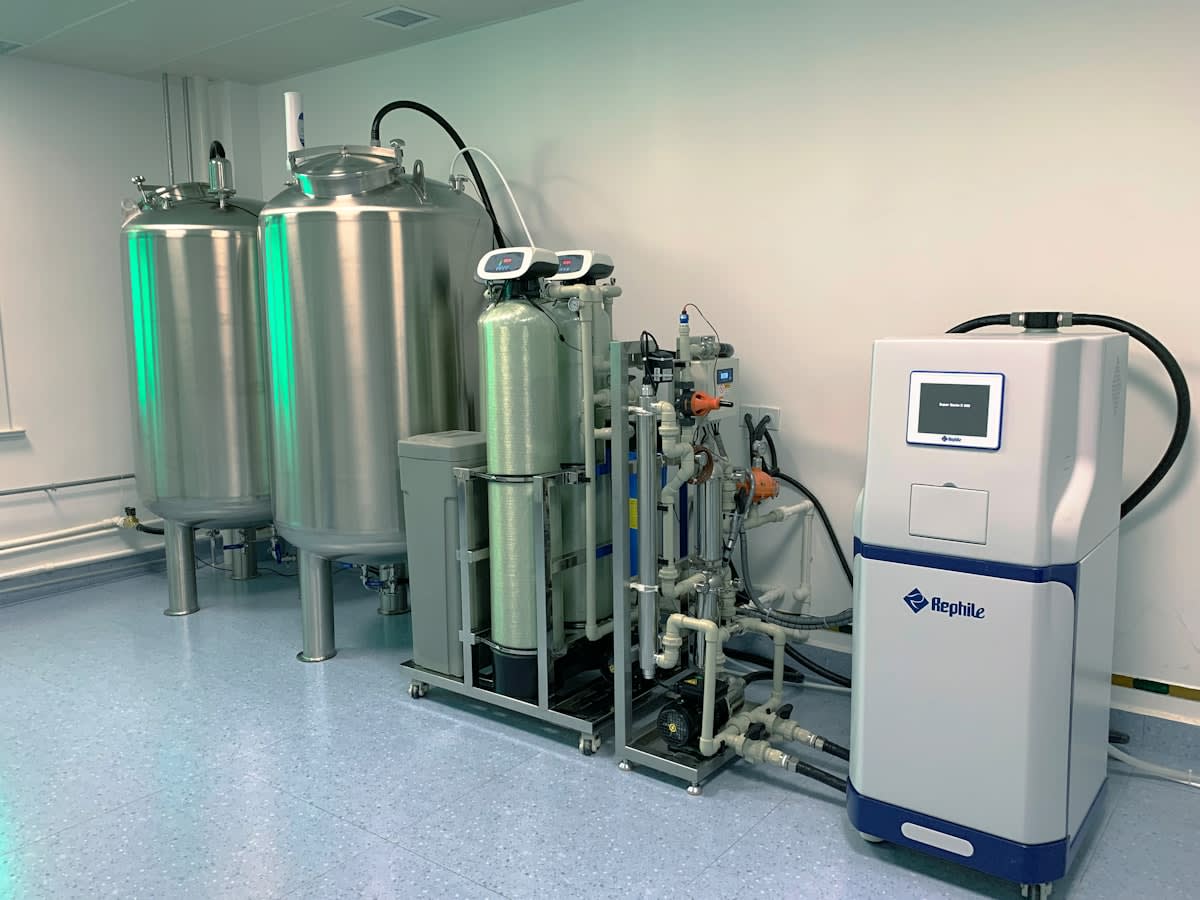
Contrast this with the precision required in pharmaceutical manufacturing. Peptistar has integrated Asahi Kasei’s forward osmosis–membrane distillation (FO–MD) system into its facility. This hardware removes water from liquids without applying heat or pressure. Such efficiency is critical for active pharmaceutical ingredients (APIs) where thermal degradation is a risk, showcasing a move toward non-thermal water separation.
"FO utilizes an osmotic pressure difference across a membrane to remove water from liquids, achieving highly concentrated API solutions under mild conditions."— Asahi Kasei Official
Technical implementation of FO-MD allows for the concentration of raw materials without the energy costs associated with traditional evaporation. This method reduces the energy footprint of water recovery. It represents a high-signal shift toward membrane-based separation. These technologies are now being evaluated for GMP production at manufacturing scale.
Jakarta's Waste-Water Nexus
PT Daya Energi Bersih Nusantara (Denera) is targeting the waste-to-energy (WtE) sector under Danantara Indonesia. Waste management in Jakarta is no longer a simple sanitation issue; it is a generational determinant of public quality of life. High moisture content in organic waste complicates the energy extraction process. Proper sorting at household and industrial levels is the only way to make WtE technology viable.
- High organic moisture content reduces combustion efficiency in WtE plants.
- Local workforce optimization is required to maintain advanced processing technologies.
- Household-level waste sorting is a prerequisite for downstream industrial processing.
- Integrated waste management reduces the pollution of surface water used for MAR.
Local workforce optimization is the current operational priority for Denera. Recruitment of regional workers ensures the long-term maintenance of advanced processing technologies. This human capital investment mirrors the technical requirements of MAR systems. Both require local oversight to prevent infrastructure failure in high-humidity environments.
"Developing WtE facilities must go hand in hand in bolstering a culture of waste sorting at the household, commercial, and industrial levels."— Jalal, Founder of Social Investment Indonesia
Water recovery is now inextricably linked to waste management. Organic waste that is not sorted ends up in waterways, clogging the very infiltration points needed for Managed Aquifer Recharge. Denera's focus on the local workforce is a strategic move to secure the upstream supply chain. Without this, the downstream technical solutions for water recovery remain ineffective.
| Method | Primary Driver | Scale/Reach | Key Constraint |
|---|---|---|---|
| MAR | Groundwater Depletion | Regional (SE Asia >50%) | Infiltration Suitability |
| Treated Wastewater | Industrial Continuity | Site-Specific (100km+) | Transport Infrastructure |
| FO-MD | API Concentration | Manufacturing Scale | Membrane Fouling |
| WtE | Urban Sanitation | City-Wide (Jakarta) | Organic Moisture Content |
Second-Order Effects and Economic Stabilization
Economic stability in Jakarta depends on the success of these water protocols. Reducing groundwater reliance stops the physical sinking of the city. Consequently, land values in previously flood-prone zones are stabilizing. This economic correction follows the technical success of water recharge and the reduction of unsustainable extraction.
Industrial sectors are reacting to these changes by adopting the FO-MD and treated wastewater models seen in Chile and Japan. Water is no longer treated as a free resource but as a critical industrial input. This mindset change is the real delta between current operations and those from twelve months ago. The cost of water failure is now priced into the corporate risk models.
Future urban viability in Southeast Asia will be defined by the integration of MAR and WtE. The Nature study's 90th and 95th percentile thresholds for high-magnitude flow indicate that the water is available; the failure is in the storage. Jakarta's ability to capture this flow will determine if the city remains above sea level by the end of the century.
MAR Potential for Unsustainable Irrigation Offset
Executive Insight
+18.4%
YTD Growth
Final analysis suggests that technical hardware is only half the battle. Denera's emphasis on the local workforce proves that human operational capacity is the final bottleneck. Without a trained workforce to manage the FO-MD systems and MAR infiltration sites, the hardware will fail. The trend is now moving toward a total integration of human capital and water physics.