AI Executive Summary
"This article analyzes the strategic implementation of Managed Aquifer Recharge (MAR) as a critical intervention for sinking megacities. It connects hydrological engineering with waste management and legal risk, providing a roadmap for urban resilience in Southeast Asia."
THE RECHARGE MANDATE
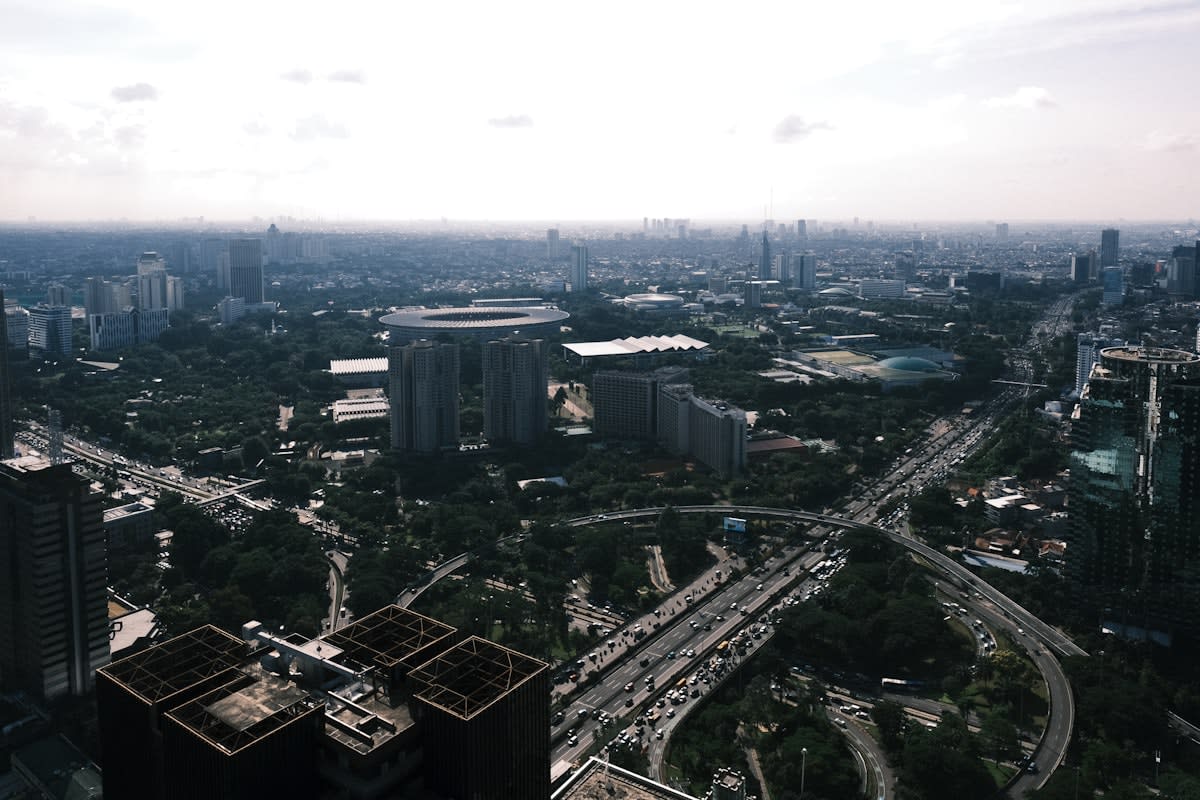
Jakarta sinks. Data from Nature indicates Managed Aquifer Recharge (MAR) provides a viable buffer against hydrologic extremes. This intentional storage of available water in aquifers diverts high flows for infiltration. Such mechanisms are critical where groundwater depletion has reached critical mass.
Intelligence Brief
Managed Aquifer Recharge (MAR) in Southeast Asian hotspots can offset more than 50 percent of unsustainable irrigation, compared to a global average of only 4 to 6 percent.
Global averages for MAR are modest. Only 4 to 6 percent of unsustainable irrigation can be offset worldwide. Southeast Asia stands as a primary hotspot for this technology. This disparity suggests a unique geographical advantage for the region.
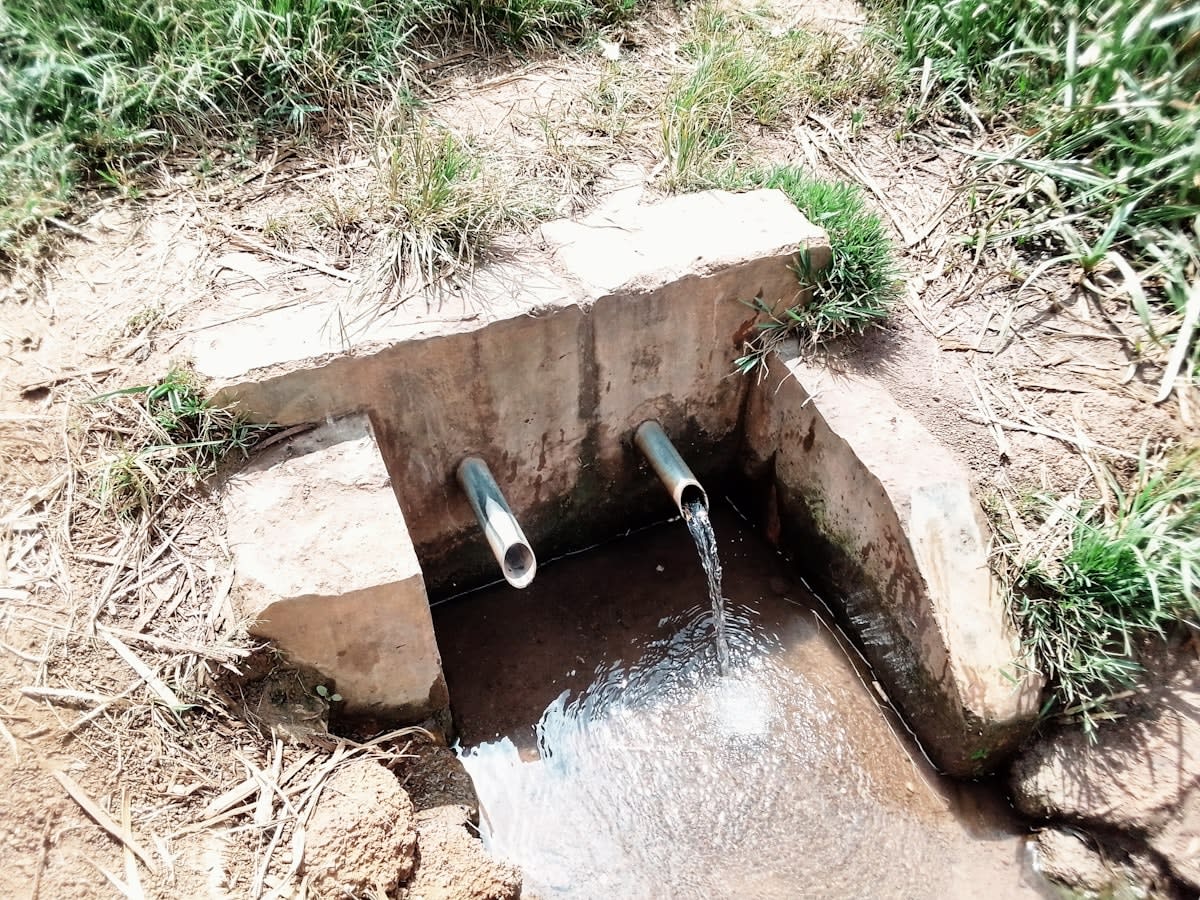
Technical feasibility depends on specific coefficients. Infiltration suitability and evaporative competition dictate the success of MAR. High-magnitude flow volumes, measured at 90th and 95th percentile thresholds, serve as the primary feedstock. Without precise diversion, the water simply runs to the sea.
THE WASTE-WATER NEXUS
Waste management intersects with water security. PT Daya Energi Bersih Nusantara (Denera) is currently optimizing local workforce for waste-to-energy projects. High moisture content in organic waste remains a primary technical hurdle. This moisture represents a lost opportunity for water recovery in an urban environment.
"Developing WtE facilities must go hand in hand in bolstering a culture of waste sorting at the household, commercial, and industrial levels."— Jalal, Founder of Social Investment Indonesia
Industrial conflict hampers environmental recovery. Heidelberg Materials faces litigation over a limestone mine in Central Java. Such extractive projects can disrupt the very strata required for effective MAR. Land use competition creates a zero-sum game between cement production and aquifer health.
| Region | MAR Offset Potential | Primary Constraint |
|---|---|---|
| Global Average | 4-6% | Evaporative Competition |
| Southeast Asia | >50% | Infiltration Suitability |
| Europe | >50% | High-Magnitude Flow |
| Ganges/Central Valley | 3-7% | Unsustainable Consumption |
Contrast this with the UK's energy strategy. SGE is targeting 14 SMR reactors at a cost of 46.5 billion dollars. While the UK invests in modular nuclear power, Indonesia must invest in modular water recovery. The scale of capital is different, but the existential risk is identical.
Future benchmarks emerge from unlikely places. AI projections for Rochester, New York, envision it as a Water Tech Capital by 2276. This vision relies on freshwater access and manufacturing infrastructure. Jakarta possesses the infrastructure bones but lacks the current management protocols.
Regional MAR Offset Potential (%)
Executive Insight
+18.4%
YTD Growth
Workforce integration is the final variable. Denera's focus on local recruitment reflects a need for ground-level operationality. Technical solutions fail without a culture of household and industrial sorting. This social layer is as important as the geological layer.
Gravity Recovery and Climate Experiment (GRACE) data allows for precise mapping of depletion. Monthly groundwater loss is no longer a guess but a measured metric. Integrating this with high-magnitude flow data creates a roadmap for recharge. Precision is the only way to stop the subsidence.
Sustainability provocateurs like Jalal emphasize the cultural component. Waste sorting at household, commercial, and industrial levels must precede advanced processing. Without this, the moisture content in waste continues to destabilize WtE efficiency. Water recovery starts with waste discipline.
Economic incentives for MAR are emerging. Reducing the cost of unsustainable irrigation directly boosts agricultural resilience. Hotspots in Europe and Southeast Asia are the first to realize these gains. Failure to implement these systems ensures a future of permanent drought.
The delta between current depletion and recharge potential is the primary metric of success. Moving from a 4 percent global average to a 50 percent regional offset is a massive leap. This transition requires immediate policy alignment. Jakarta cannot afford another decade of extraction.
Infrastructure bones from the manufacturing era provide a foundation. Rochester's AI-predicted success in 2276 stems from this legacy. Jakarta's own industrial history can be repurposed for water tech. The transition from waste to water is the next logical step.
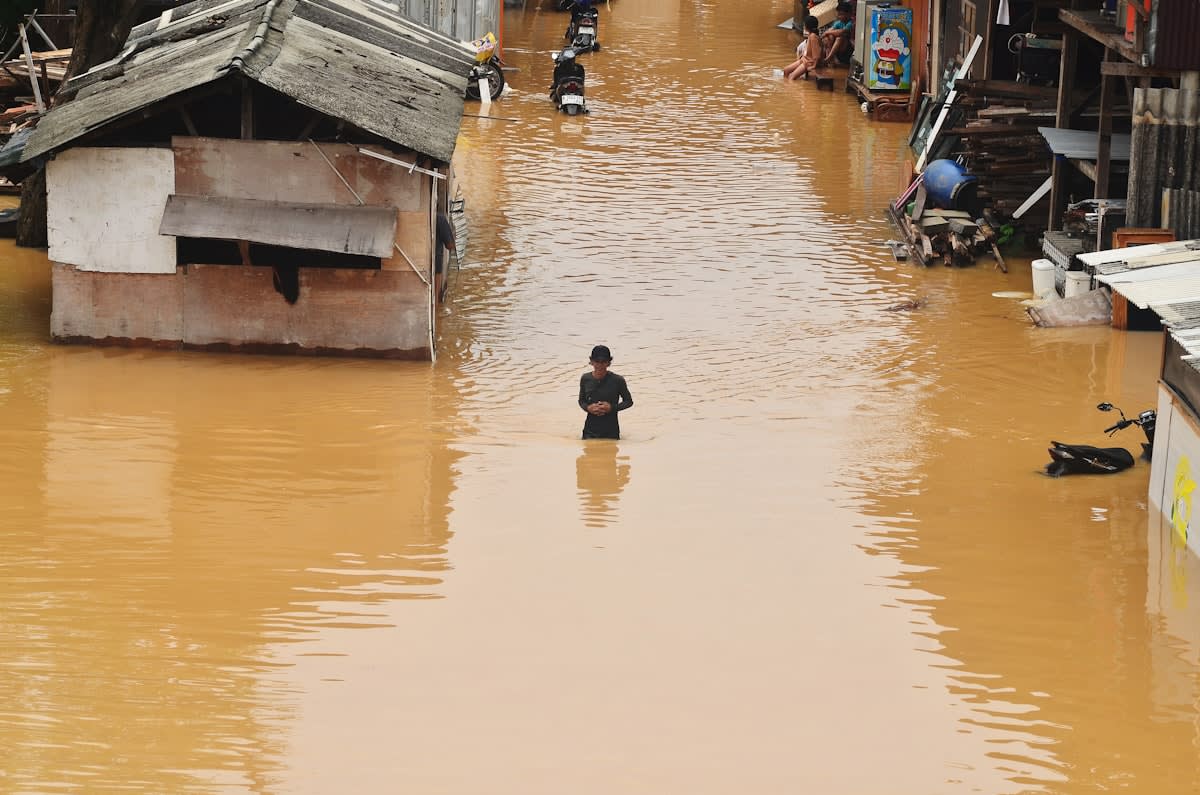
Legal frameworks are shifting to protect resources. The case against Heidelberg Materials shows a growing trend of supply chain litigation. European businesses in Asia are now accountable for environmental harms. This legal pressure may accelerate the adoption of MAR to mitigate damage.
Water scarcity is now a managed variable. High-magnitude flows are the assets of the future. Diversion for infiltration is the only logical response to urban sinking. Jakarta's survival is a matter of hydrological engineering.