AI Executive Summary
"This article analyzes the strategic shift from centralized water infrastructure to decentralized atmospheric water generation in Lagos. It highlights the industrial convergence of local lithium and polypropylene production as the catalyst for achieving urban autonomy."
The Decentralization Trigger
Lagos pipes are dead. Centralized reliance on crumbling conduits has hit a terminal point. Local industrialization now provides the hardware for atmospheric water generation (AWG) at scale. Such movements aren't theoretical; they are the result of a specific convergence of material availability in 2026.
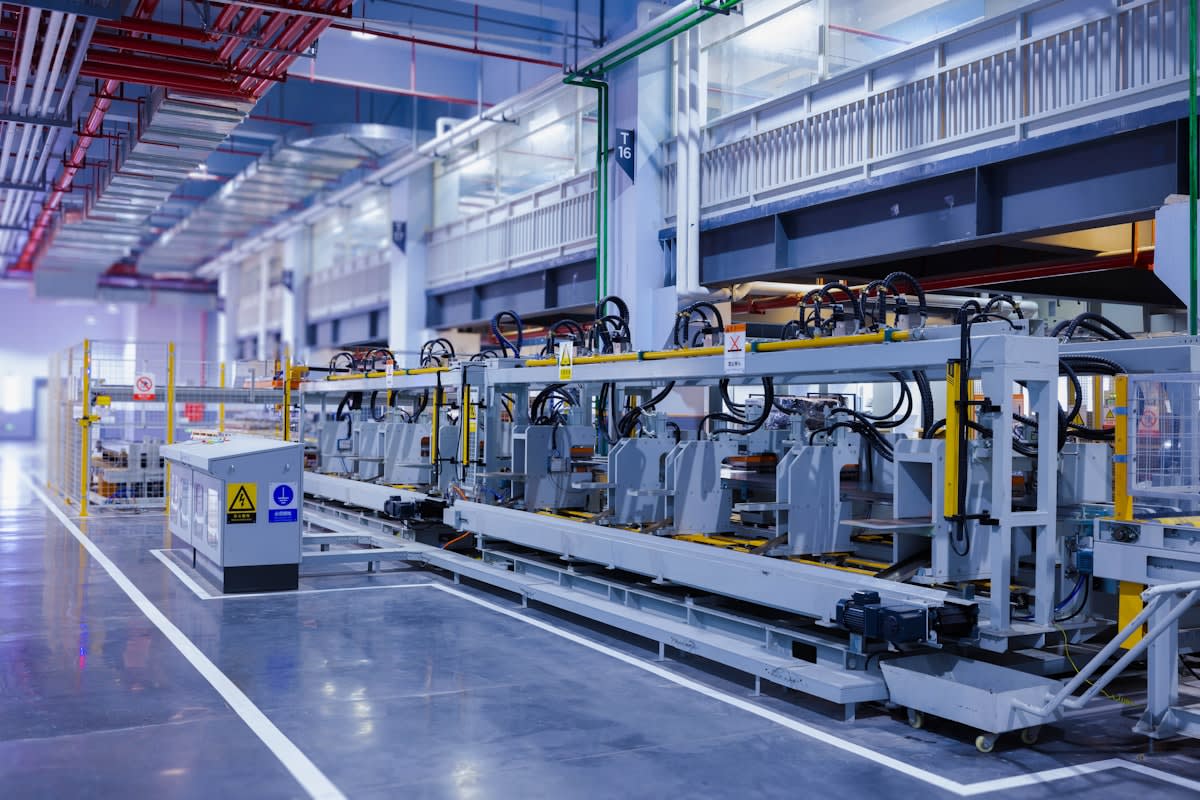
Dangote's refinery is the catalyst. Polypropylene production now hits 250,000 metric tonnes annually, according to the Manufacturers Association of Nigeria (MAN). Cheap plastics enable the mass-manufacturing of AWG chassis locally. Foreign exchange constraints no longer block the procurement of housing materials for these units, effectively slashing the cost of deployment across the city's dense districts.
Comparing this to global norms reveals a stark divergence. While residents in Victoria, Australia, face surging water bills and new emergency services taxes as of July 1, Lagos is bypassing the utility model entirely. Melbourne's taxpayers are paying for the maintenance of old pipes; Lagosians are investing in the hardware to ignore them.
Powering the Atmospheric Extraction
Energy is the primary constraint for AWG. Vice President Kashim Shettima recently commissioned Nigeria's largest lithium processing plant in Nasarawa State. This facility transforms the country from a raw material exporter into a battery-grade producer. Localized energy storage is the only way to keep AWG units running during the city's frequent power instabilities.
Global energy trends support this localized approach. The Asia Clean Energy Forum (ACEF) 2026 in Manila emphasized that decentralized energy systems are no longer optional. AI-driven grid management is now the standard for regions grappling with renewable-heavy grids. Lagos is applying this logic to water, using Nasarawa lithium to buffer the energy spikes required for moisture extraction.
"We must build a power system that connects our economies, strengthens our resilience, and delivers energy across the region."— Asia Clean Energy Forum 2026
Contrast this with the UK's strategy. SGE is targeting a $46.5 billion investment in 14 small modular reactors (SMRs) to stabilize their national grid by 2034. Britain is doubling down on centralized power. Nigeria is leaping directly to the edge, where lithium-backed AWG units operate independently of a failing national grid.
The Material Delta
The delta between 2025 and 2026 is the availability of local lithium and polypropylene. Without these two materials, AWG remained a luxury import. Now, it is an industrial product.
Urban Metabolism and Spatial Logic
Current urban planning often treats the built environment as a static background. Recent research in Nature suggests a social-ecological-spatial systems framework instead. This approach views the city as a dynamic system with its own metabolism. AWG changes the metabolism of Lagos by removing the need for the linear flow of water from a central plant to a tap.
Water now originates at the point of consumption. Spatial production theory explains this as a decoupling of the resource from the geography. A brownout in Kinshasa might kill a centralized pump, but a firmware bug in Taipei is the only thing that would stop a decentralized, AI-managed AWG network.
| Metric | Traditional Pipe Infrastructure | Decentralized AWG (2026) |
|---|---|---|
| Primary Material | Cast Iron/PVC | Local Polypropylene |
| Energy Source | Centralized Grid | Nasarawa Lithium-Ion |
| Cost Driver | Maintenance/Taxes | Hardware CAPEX |
| Failure Point | Pipe Burst/Contamination | Battery Degradation |
Economic reality dictates this transition. When the cost of maintaining 100-year-old pipes exceeds the cost of a lithium-powered AWG unit, the pipe becomes a liability. The Victorian water bill surge proves that centralized utilities eventually pass their inefficiency costs to the consumer.
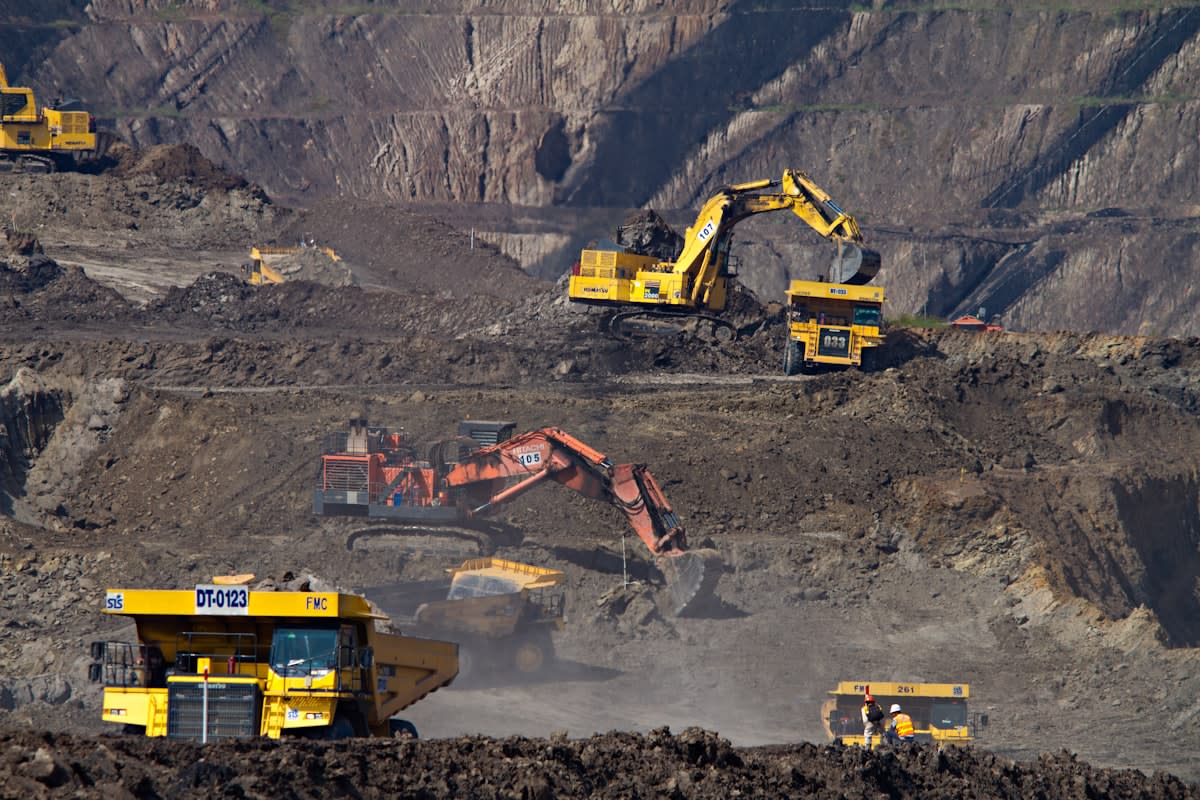
Lagos is no longer waiting for a government fix. Private procurement of AWG technology, fueled by Dangote's petrochemicals and Nasarawa's minerals, is creating a shadow utility. This network operates outside the purview of municipal failure. The result is a city where hydration is a product of industrial capacity, not civil engineering.
Infrastructure obsolescence happens in stages. First, the service fails. Then, a cheaper alternative emerges. Finally, the original system is abandoned. Lagos has reached the final stage.