AI Executive Summary
"This article analyzes the transition of synthetic biology from a scientific pursuit to a strategic industrial asset. It highlights the geopolitical shift toward biological resource independence and the data-driven optimization of cellular production."
SpudCell exists. Researchers at the University of Minnesota assembled this entity from non-living chemicals on July 2, 2026. It possesses a 90 kilobase pair genome. This achievement suggests that biological reproduction is merely a chemical sequence that can be replicated in a test tube.
"We've replicated in chemistry what only used to be possible in biology: the complete set of behaviors of a cell."— Kate Adamala, Synthetic Biologist
Biology is no longer a miracle. It is a series of instructions. Scientists at USC are now using synthetic organizers to build kidney organoids with precision. These Wnt-secreting cells enforce a developmental axis. The goal is reproducibility, not discovery.
The Industrialization Gap
Commercialization arrives fast. Rezon Bio is expanding its footprint in Europe through the appointment of Hubert Scholze as CBO on July 1, 2026. Simultaneously, Codix Bio is building a diagnostics hub in Nigeria. This geography matters. Regional autonomy in manufacturing reduces the cost of failure for developing nations.
| Project/Entity | Core Component | Primary Objective | Development Stage |
|---|---|---|---|
| SpudCell | 36 Genes / 90 kbp | Synthetic Life Reproduction | Lab Prototype |
| USC Kidney Organoids | Wnt-secreting Organizers | Preclinical Model Reproducibility | Research Stage |
| 64x Bio LV Apex | CellMap Dataset | Lentiviral Vector Production | Commercial Launch |
| Codix Bio | Regional Diagnostics Hub | Healthcare Manufacturing Autonomy | Infrastructure Build |
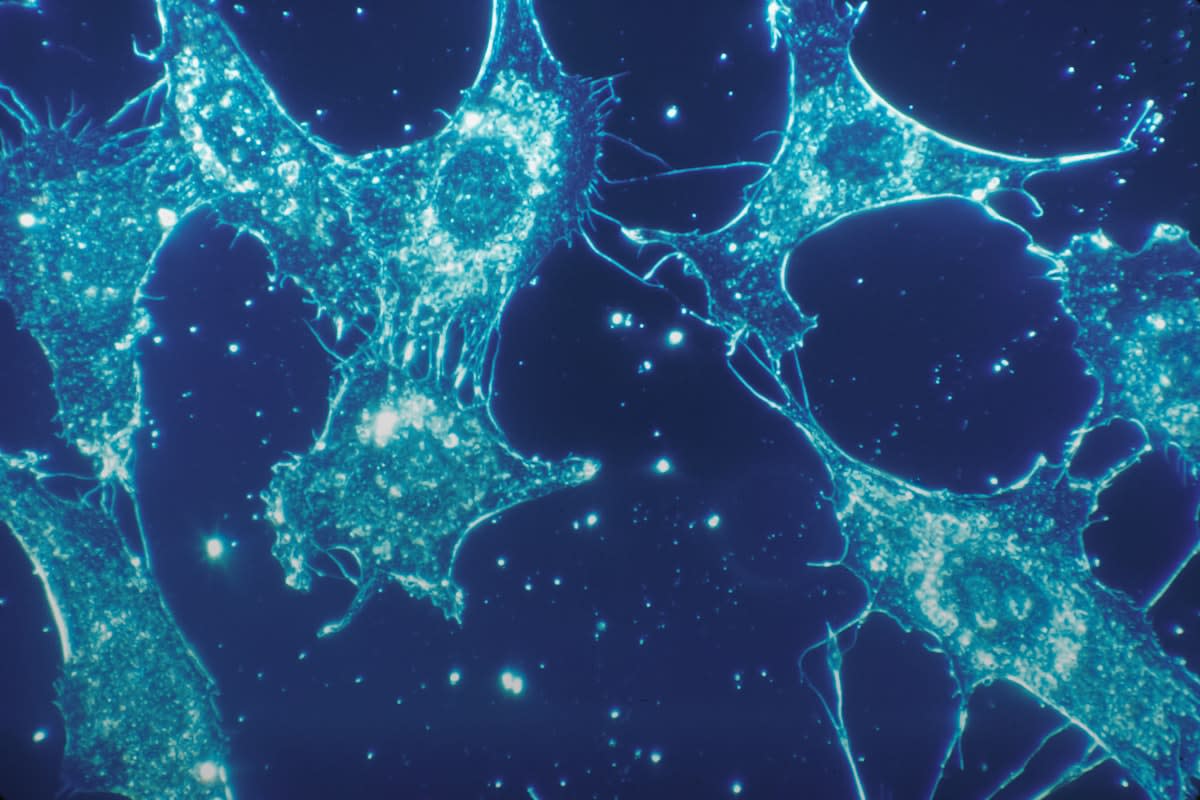
64x Bio treats cells like hardware. Their LV Apex Suite, launched June 30, 2026, uses a dataset called CellMap to link genetic changes to productivity. This is cold calculation. It strips the mystery from biology and replaces it with a production quota.
The Cost of Control
The transition from editing existing genomes to building them from scratch removes the safety net of natural selection. We are now responsible for every metabolic error in the sequence.
Global power is redistributing. Nigeria is leveraging partners like UNITAID and PATH to end dependence on imported healthcare products. Poland is utilizing CDMOs to capture the biologics market. These are not scientific milestones. They are strategic plays for resource independence.
"It is important that we’re starting to get good reproducibility from organoid models that can lead to robust preclinical models of cell function and disease to benefit patients."— Nils Lindström, PhD

Nature is inefficient. Synthetic biology seeks to solve this by treating the cell as a chassis. Whether it is a 36-gene potato-like cell or a lentiviral vector, the objective is the same. We want a predictable product. The mystery of life is simply an engineering hurdle to be overcome.