
AI Executive Summary
"This article analyzes the strategic intersection of material science and aerospace engineering, highlighting the shift toward additive manufacturing to optimize production. It evaluates the critical tension between emerging hypersonic capabilities and the operational fragility of global border logistics."
The Hardware Acceleration
Lockheed Martin signed a letter of intent with Belgium's Guaranteed on June 30, 2026. This move targets large-format metal 3D printing to slash the buy-to-fly ratio. Waste reduction is the only way to sustain production speeds when raw materials are scarce.

Belgium provides the specialized AM capabilities required for near-net-shape structural components. Contrast this with the Japanese market, where Jupitor Corporation manages the two-speed challenge. They are currently integrating 5-year chip cycles into 30-year aerospace platforms.
Intelligence Note
The two-speed challenge creates a dangerous lag where the airframe outlives the electronics by a factor of six, forcing constant mid-life hardware retrofits.
Hypersonic Velocity Deltas
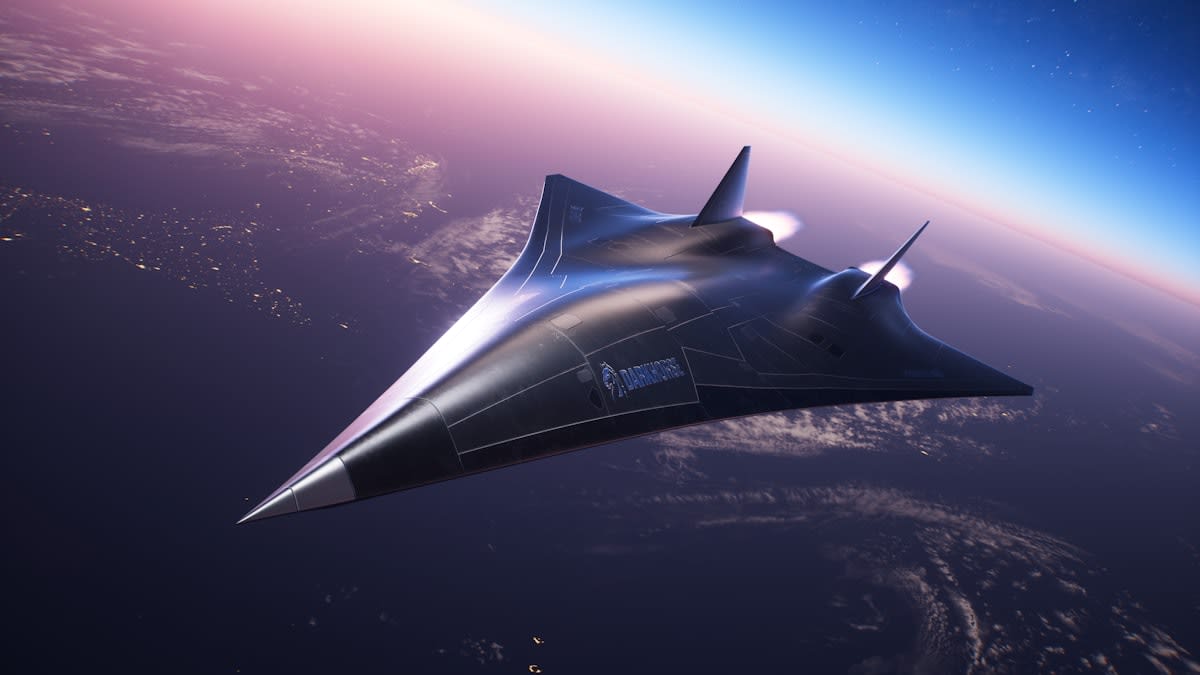
ESA launched the INVICTUS program to hit Mach 5. Such speeds are no longer theoretical. Commercial passenger travel remains distant, but the core technology is now in active testing as of June 2026.
China is pursuing a different trajectory. Comac unveiled the C949, a conceptual jet cruising at Mach 1.6. This aircraft would cut Shanghai to Los Angeles transit to roughly 5 hours.
Projected Airframe Cruise Speeds
Executive Insight
+18.4%
YTD Growth
Thermal loads at Mach 5 demand materials that simply did not exist in commercial quantities 12 months ago. Engineering is now a race against melting points.
Logistical Friction Points
Hardware speed is useless without border fluidity. WTTC issued a warning on July 1 regarding the Schengen Entry/Exit System (EES) rollout. Coordination failures here will create bottlenecks that negate the gains of faster aircraft.
| Project | Metric | Status (June/July 2026) |
|---|---|---|
| ESA INVICTUS | Mach 5 | Active Tech Testing |
| Comac C949 | Mach 1.6 | Conceptual Design |
| Lockheed/Guaranteed | Buy-to-Fly Ratio | Letter of Intent |
| Schengen EES | Border Flow | Implementation Warning |
Sustainability efforts are attempting to keep pace. WTTC and UNEP signed a Memorandum of Understanding on July 1 to accelerate circular economy solutions. Nature conservation cannot be an afterthought when hypersonic fleets enter the atmosphere.
Luxury markets are mirroring this obsession with advanced materials. Parmigiani Fleurier released the Tonda PF Sport Chronograph in Ultra-Cermet Mineral Blue on June 30. This follows the 2025 introduction of the monochromatic series, proving that cermet stability is now a viable commercial luxury standard.