
AI Executive Summary
"This article analyzes the paradox of advancing medical diagnostics amidst a worsening healthcare affordability crisis. It provides strategic insight into how regulatory shifts and debt burdens create barriers to life-saving innovation."
June 2026 is proving to be a brutal month for the American wallet. While lab technicians celebrate the precision of new liquid biopsies, the average citizen is staring down a collision of rising premiums and record-breaking interest rates. The gap between what medicine can do and what a family can afford is widening into a canyon.
The California Crunch
California legislators just approved Senate Bill 125. The goal? Preserve federal Medi-Cal funding. The cost? A tax redesign that pushes the burden onto privately insured residents. A family of four could see their premiums climb by 400 dollars a year.
This isn't an isolated West Coast glitch. Look East, and Maryland health insurers are already proposing an average premium increase of 13.7 percent for individual plans in 2027. Why is this happening now? States are scrambling to restructure managed care organization taxes to satisfy new federal rules, effectively treating private policyholders as the piggy bank for public health preservation.
| Region | Trigger | Projected Impact |
|---|---|---|
| California | SB 125 / MCO Tax Redesign | Up to $400/year for families |
| Maryland | 2027 Rate Proposals | 13.7% Average Increase |
The timing is catastrophic. Most people aren't absorbing these costs with savings; they are leaning on plastic. Credit card debt has officially topped 1 trillion dollars, with interest rates hitting record highs. When your debt is peaking and your insurance is hiking, a 400 dollar increase isn't just a line item—it is a crisis.

But here is the irony: we are living through a golden age of detection. The science is moving faster than the spreadsheets.
The Diagnostic Boom
Compare the current landscape to just a year ago. In 2025, the global oncology molecular diagnostic market was valued at 3.06 billion dollars. Fast forward to the projections for 2034, and that number explodes to 8.50 billion dollars. We aren't just seeing incremental change; we are seeing a complete rewrite of how we find cancer.
Oncology Molecular Diagnostic Market Growth
Executive Insight
+18.4%
YTD Growth
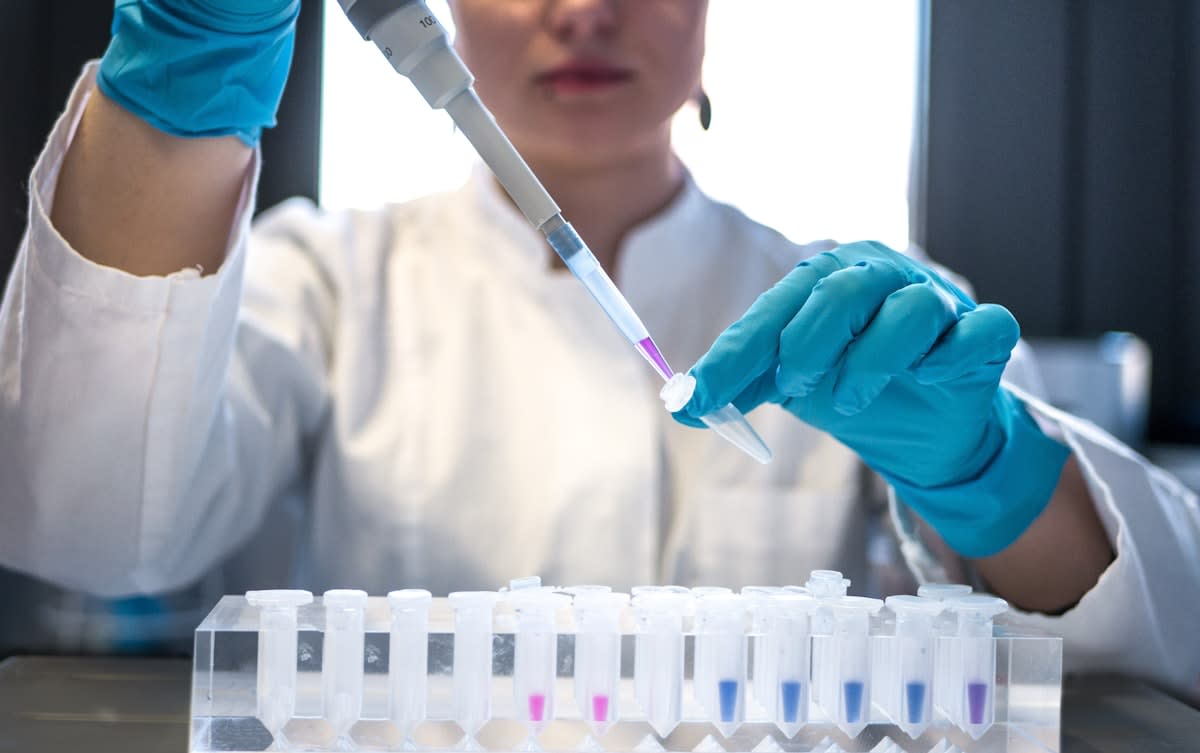
The utility is real. Liquid biopsy biomarkers are now tackling the early detection of gastrointestinal cancers—a field where patients are typically diagnosed far too late. Simultaneously, new diagnostic tools are refining breast cancer care, moving beyond the limitations of the standard mammogram.
- Liquid biopsies for early-stage gastrointestinal cancer detection
- Advanced molecular diagnostics for oncology
- Next-gen breast cancer screening tools augmenting mammography
Does a liquid biopsy matter if you cannot afford the premium to get the test? That is the central question of 2026. We have built a Ferrari of a medical system but we are charging the passengers a toll they cannot pay.
The path forward requires more than just scientific brilliance; it requires a financial architecture that doesn't penalize the privately insured to save the public system. Until then, the 8.5 billion dollar market for diagnostics will remain a luxury for those who can navigate the tax hikes and the debt traps.