
AI Executive Summary
"This article provides a high-resolution technical framework for manipulating DNA methylation to decelerate biological aging. It bridges the gap between qualitative wellness and quantitative molecular profiling, offering a clinical roadmap for epigenetic reversal."
The Biological Variable
Chronological age is a blunt instrument. It measures the time elapsed since birth but ignores the stochastic decay of the epigenome. Biological age, specifically as measured through DNA methylation (DNAm), provides a high-resolution snapshot of cellular wear and tear. By analyzing the addition of methyl groups to CpG sites—cytosine-guanine dinucleotides—practitioners can identify the precise rate of epigenetic drift. Why settle for a calendar when you can measure the actual state of your genomic switches? The goal is not merely to slow the clock but to actively shift the methylation profile back toward a more youthful state.
In high-performance clinics from Zurich to Singapore, the shift has moved from general wellness to molecular precision. We are no longer guessing if a lifestyle intervention works; we are measuring the delta in biological age. This requires a transition from qualitative health markers to quantitative epigenetic data. When a practitioner identifies a biological age that exceeds chronological age by 5 or 10 years, the objective becomes an aggressive reversal of those specific methylation signatures. This is a game of biochemical levers, where the right inputs can reprogram the cellular environment.
Prerequisites for Implementation
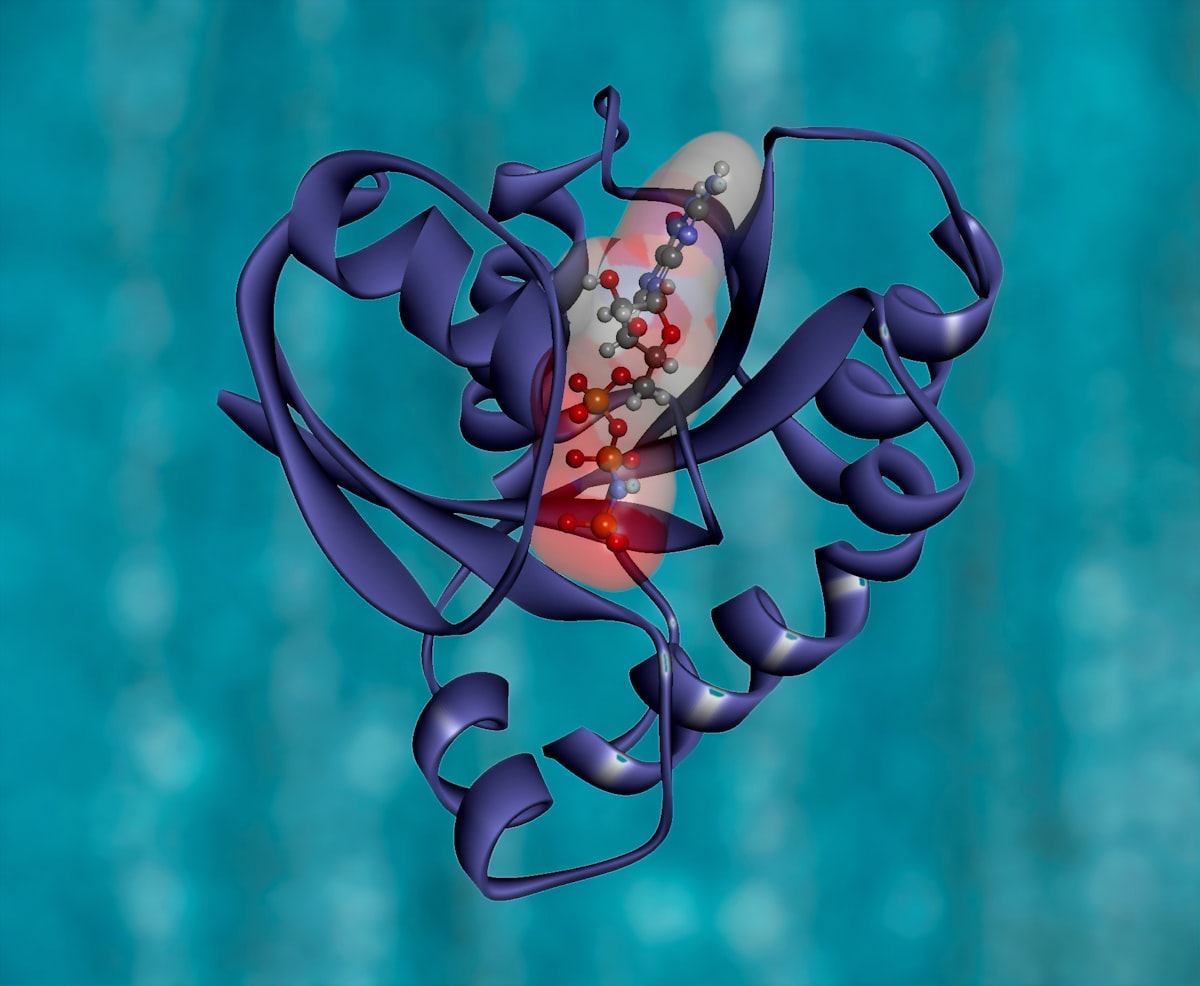
Before attempting to manipulate methylation, a practitioner must establish a rigorous data baseline. You cannot manage what you do not measure with clinical precision. The following tools are non-negotiable for any serious attempt at biological age reversal. Without these, you are simply throwing supplements at a black box and hoping for a result. The focus must remain on the biochemical pathway, specifically the methionine cycle and the availability of S-adenosylmethionine (SAMe).
- Epigenetic Clock Analysis: Access to first-generation (Horvath) or third-generation (GrimAge/PhenoAge) methylation testing.
- Comprehensive B-Vitamin Panel: Specific measurement of B6, B9 (as methylfolate), and B12 (as methylcobalamin).
- Homocysteine Assay: A critical marker for methylation efficiency and cardiovascular risk.
- Metabolic Baseline: Fasting insulin, HbA1c, and high-sensitivity C-reactive protein (hs-CRP) to assess systemic inflammation.
- Genetic Screening: Identification of MTHFR polymorphisms (C677T and A1298C) to determine folate processing capacity.
Once the hardware is in place, the practitioner must analyze the 'methylation gap'—the difference between the patient's current biological age and their optimal genetic potential. In cohorts studied in Tokyo, individuals with a biological age significantly lower than their chronological age often exhibit a highly efficient methionine cycle and low levels of systemic inflammation. This suggests that the ability to reverse age is tied directly to the efficiency of the methyl donor pipeline. If the pipeline is clogged, the epigenetic clock accelerates regardless of caloric restriction or exercise.
The Folate Trap
Precision is paramount. Using synthetic folic acid in patients with MTHFR mutations can lead to unmetabolized folic acid in the blood, potentially masking B12 deficiency and hindering the very methylation process we aim to optimize.
The Reversal Protocol: Step-by-Step Execution
Reversing biological age is an iterative process of testing, intervening, and re-testing. It is not a static prescription but a dynamic feedback loop. The following steps outline the technical progression from baseline to age deceleration. Each phase must be completed fully before moving to the next to avoid over-methylation, which can be as detrimental as under-methylation.
- Baseline Mapping: Perform a comprehensive DNAm test to determine the current biological age. Establish the delta between chronological and biological markers. This provides the benchmark for all future interventions.
- Methylation Capacity Analysis: Measure plasma homocysteine. Levels above 10 micromol/L typically indicate a bottleneck in the methylation cycle, requiring targeted support of the B-vitamin pathway.
- Targeted Donor Deployment: Introduce methyl donors based on genetic markers. For MTHFR mutations, prioritize 5-MTHF (methylfolate) and methylcobalamin. For those with high homocysteine but normal folate, consider Trimethylglycine (TMG) to bypass the folate-dependent pathway via the BHMT enzyme.
- Metabolic Stabilization: Implement a low-glycemic diet to reduce insulin spikes, as hyperinsulinemia is closely correlated with accelerated epigenetic aging. Focus on omega-3 fatty acids to dampen the inflammatory signaling that triggers aberrant methylation.
- The Six-Month Re-Assessment: Re-run the epigenetic clock. Analyze the shift in biological age. A successful intervention typically yields a 1-3 year reduction in biological age over a six-month period, depending on the initial delta.
- Dosage Calibration: Adjust methyl donor intake based on the new homocysteine levels. The goal is to maintain homocysteine in the optimal range of 6-9 micromol/L, avoiding the risks of excessive methylation.
The transition from step three to step four is where most practitioners fail. They treat methylation as a supplement problem rather than a systemic metabolic problem. DNA methylation does not happen in a vacuum; it is fueled by the mitochondria. If ATP production is compromised, the synthesis of SAMe—the universal methyl donor—is throttled. This is why mitochondrial support, including CoQ10 and PQQ, must accompany any methylation strategy to ensure the cellular machinery has the energy to execute the epigenetic rewrite.
Consider the data from longitudinal studies on methyl-donor supplementation. In controlled environments, a precise titration of B-vitamins has shown a correlation with a reduction in the rate of epigenetic aging by up to 15% in high-risk groups. However, this is not a linear relationship. Too much methyl donation can lead to the silencing of tumor suppressor genes through hypermethylation. This creates a narrow therapeutic window that requires constant monitoring. The practitioner must act as a governor, ensuring the system remains in a state of homeostasis.
Quantifying the Impact
To understand the efficacy of these interventions, we must look at the hard numbers. The accuracy of modern epigenetic clocks is staggering, often correlating with chronological age with a Pearson coefficient of 0.95 or higher. When we see a biological age shift, it is not a statistical fluke; it is a reflection of a change in the chemical structure of the genome. The following data represents typical outcomes in a high-compliance practitioner-led cohort.
| Metric | Pre-Intervention (Avg) | Post-Intervention (6 Mo) | Target Range |
|---|---|---|---|
| Biological Age Delta | +4.2 Years | -1.8 Years | <= 0 Years |
| Homocysteine | 12.5 μmol/L | 7.2 μmol/L | 6-9 μmol/L |
| Methylation Efficiency | Low/Moderate | High | High |
| hs-CRP | 2.8 mg/L | 1.1 mg/L | < 1.0 mg/L |
The reduction in hs-CRP is a critical secondary marker. Systemic inflammation acts as an accelerant for the epigenetic clock, triggering the detachment of methyl groups from protective regions of the DNA. By suppressing this inflammation while simultaneously providing the raw materials for methylation, the practitioner creates a synergistic effect. This dual-track approach is the only way to achieve meaningful biological age reversal. Single-intervention strategies—such as taking a B-complex without addressing inflammation—rarely produce a significant shift in the biological age delta.
Common Pitfalls in Methylation Tracking
The most frequent error is the 'more is better' fallacy. Over-methylation can lead to an accumulation of SAMe that triggers anxiety, insomnia, and irritability—often referred to as 'over-methylation syndrome.' This occurs when the body cannot efficiently process the excess methyl groups, leading to an imbalance in neurotransmitter synthesis. Practitioners must monitor the patient's psychological state as closely as their blood markers. If a patient reports sudden onset insomnia after starting TMG or methylfolate, the dosage must be dialed back immediately.
Another critical failure is ignoring the role of the liver. The liver is the primary site of the methionine cycle. If hepatic function is compromised—whether through fatty liver disease or chronic alcohol consumption—the administration of methyl donors will have diminished returns. The precursors will not be converted into the active SAMe required for DNA methylation. A comprehensive liver panel is therefore a prerequisite for any epigenetic intervention. Without a functioning liver, you are essentially trying to fuel a car with a broken fuel pump.
Finally, many rely on low-resolution clocks. The original Horvath clock was a breakthrough, but it is a general marker. To truly reverse age, one must use clocks that incorporate phenotypic data, such as PhenoAge or GrimAge. These clocks are more sensitive to the interventions we are deploying because they track markers of morbidity and mortality rather than just chronological progression. Using a low-resolution clock is like trying to perform surgery with a butter knife; you might see a general change, but you lack the precision to optimize the outcome.