AI Executive Summary
"This article analyzes the strategic tension between the resource-intensive growth of AI and the untapped potential of the Earth's mycorrhizal network. It positions biological intelligence as a scalable, energy-zero solution for global carbon sequestration and climate resilience."
The Great Unveiling
This week, the scientific community shifted its gaze from the stars to the soil. On July 5, 2026, researchers released the first complete global map of the mycorrhizal network, uncovering a subterranean architecture of almost unimaginable proportions. We are not talking about localized clusters or regional patches, but a unified system of fungal filaments that supports nearly all plant life on Earth. The scale is staggering: an estimated 110 quadrillion kilometers of mycelium. To put that in perspective, this network is nearly 1 billion times the distance between the Earth and the sun. Why does this matter right now? Because we have finally visualized the planetary organ responsible for regulating the global climate.
The Scale of Intelligence
The mycorrhizal network functions as a biological internet, transporting nutrients and signals between plants, while simultaneously locking carbon deep within the earth's crust.
The focus of this mapping effort centered on Arbuscular mycorrhizal fungi (AM fungi), the primary architects of this underground web. These fungi form symbiotic partnerships with plants, swapping phosphorus and nitrogen for carbon-rich sugars. This is not a passive exchange; it is a highly regulated biological market. By mapping this network globally, scientists have moved beyond theoretical assumptions about soil health to a precise understanding of how carbon is distributed across continents. The delta between our knowledge six months ago and today is the difference between guessing the size of a city and having a high-resolution satellite map of every street.
The AI Paradox: Silicon vs. Soil
As we discover this natural efficiency, the corporate world is hitting a wall. Reports released on July 3, 2026, reveal a troubling trend for tech giants like Amazon and Google. Despite their public pledges to zero out carbon emissions, the explosive growth of artificial intelligence is making those goals nearly impossible to reach. The energy demands of AI data centers are skyrocketing, creating a carbon loop that offsets their sustainability gains. Google, for instance, reported a massive spike in water consumption—10.9 billion gallons, a 34% increase over 2024—almost all of which was used to cool the servers powering AI models.
The Divergence: AI Resource Demand vs. Biological Efficiency
Executive Insight
+18.4%
YTD Growth
Do we continue to rely on silicon-based solutions to solve a carbon crisis that silicon itself is exacerbating? The contrast is stark. While Google struggles to cool its data centers with billions of gallons of water, the AM fungi network manages global temperature regulation and nutrient distribution with zero external energy input. The 'so what' is immediate: the most advanced carbon sequestration technology on the planet isn't a machine we haven't built yet—it's a network we've been walking on for millennia. The strategic opportunity now lies in mimicking and protecting this biological intelligence rather than attempting to engineer a synthetic replacement.
Extreme Adaptation: From Antarctica to the Levant
The intelligence of these networks extends into the most hostile environments on Earth. On July 4, 2026, research published in Nature highlighted a psychrotolerant Clostridium-dominant consortium discovered in the penguin-impacted soils of Beaufort Island, Antarctica. These microbes are capable of reducing Fe(III) to Fe(II) at a frigid 4 degrees Celsius through an anaerobic, fermentative pathway. This discovery proves that biological carbon and mineral cycling doesn't stop at the frost line; it adapts. It suggests that the global fungal map likely includes specialized extensions capable of operating in extreme cold, further expanding our understanding of where carbon can be stored.
"The ability of microbial consortiums to maintain metabolic activity at 4 degrees Celsius demonstrates a level of resilience that our current climate models have consistently underestimated."— Research Analysis, Nature (July 2026)
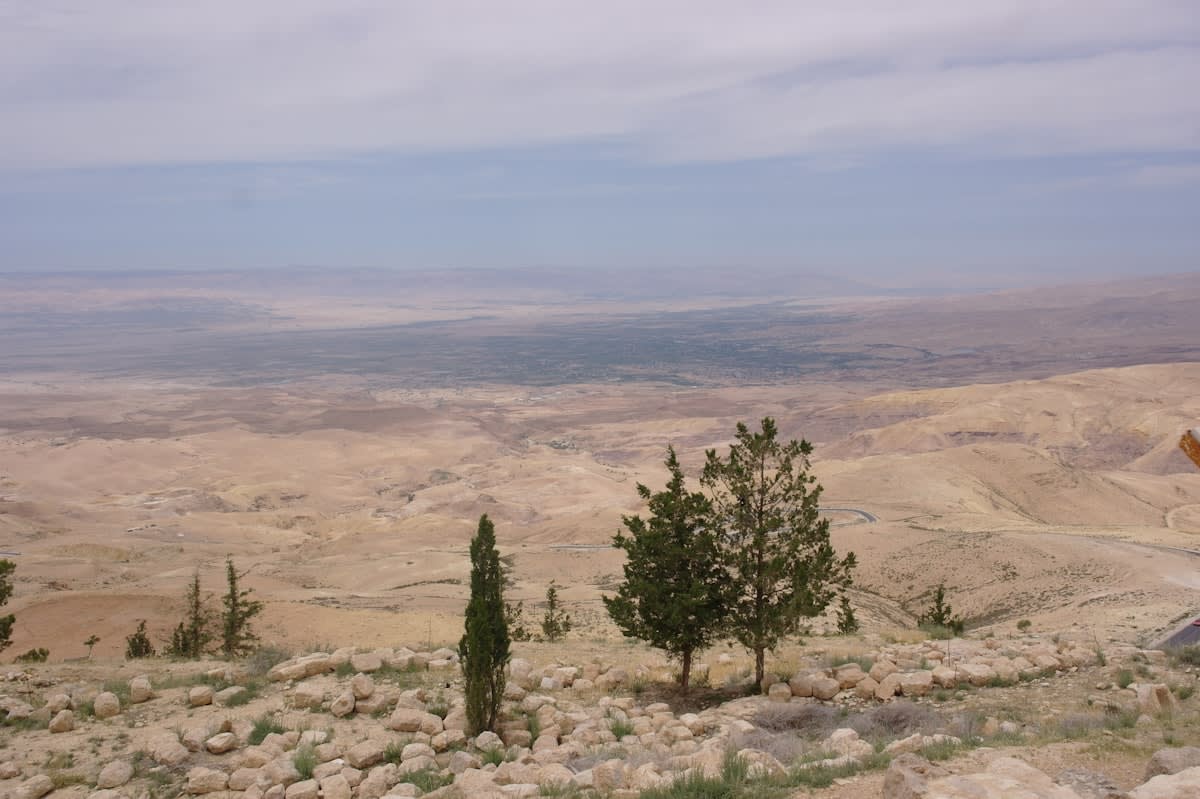
This resilience is not just a curiosity for polar scientists; it is a blueprint for survival in drought-stricken regions. In Jordan, the Ministry of Agriculture is currently pivoting from crisis management to a proactive national approach to water security. On July 3, 2026, Minister Saeb Khreisat detailed a Japan-backed initiative focused on building drought resilience. By shifting toward adaptive interventions, Jordan is essentially trying to replicate the resilience found in natural networks. When we integrate the new global fungal map with these regional efforts, the path becomes clear: enhancing the mycorrhizal health of the soil is the most direct route to securing food and water in arid climates.
The Strategic Pivot
We are witnessing a collision of two different types of intelligence. On one side, we have the artificial intelligence of the data center—resource-heavy, heat-generating, and increasingly unsustainable. On the other, we have the mycelial intelligence of the soil—resource-efficient, cooling, and planetary in scale. The data shows that human-driven climate change has already made extreme coastal floods 12 times more likely, according to research from July 4, 2026. We no longer have the luxury of waiting for 'future' technology. We must leverage the 110 quadrillion kilometers of existing infrastructure already beneath our feet.
| Metric | AI-Driven Sequestration (Tech) | Mycelial Sequestration (Nature) |
|---|---|---|
| Energy Input | High (Electricity/Cooling) | Zero (Symbiotic Exchange) |
| Scalability | Limited by Hardware/Land | Global (110 Quadrillion km) |
| Resource Impact | Increases Water Demand (34% spike) | Enhances Water Retention |
| Timeframe | Developmental/Experimental | Existing/Operational |
The transition from viewing fungi as mere decomposers to seeing them as the primary architects of climate stability is the most significant shift in environmental science this decade. By protecting these networks, we aren't just saving forests; we are maintaining the biological hardware that keeps the planet habitable. The map provided by the international research team isn't just a scientific achievement—it is a strategic asset. It tells us exactly where the network is strongest and where it is failing, allowing for surgical interventions in reforestation and soil restoration.
- Integration of mycorrhizal mapping into national agricultural policies to combat drought, as seen in Jordan.
- Reduction of reliance on energy-intensive carbon capture tech in favor of soil-based biological sequestration.
- Protection of 'biological hotspots' identified in the new global fungal map to prevent carbon leakage.
- Application of psychrotolerant microbial research to stabilize carbon in permafrost and polar regions.
The era of the 'techno-fix' is meeting its limit. As Amazon and Google find that AI makes zero-emission goals more elusive, the answer lies in a return to biological fundamentals. The mycelial network is the ultimate frontier because it is the only system capable of operating at the scale of the problem. We have the map. We have the evidence of its resilience from the Antarctic to the Levant. The only remaining question is whether we can pivot our global economy to support the living network that supports us.