
AI Executive Summary
"This article analyzes the systemic transition from generalized 'one-size-fits-all' solutions to high-resolution, data-driven interventions across the physical economy. It highlights the strategic importance of quantifiable metrics in decarbonization and the enduring value of human intuition over synthetic shortcuts."
The End of the Blanket Solution
The narrative of the silver bullet is collapsing. For decades, the global community relied on broad strokes to describe environmental decay and industrial recovery. This week, however, the data suggests we have entered the era of the surgical strike. Whether it is the chemical composition of the ozone hole or the carbon intensity of a cornfield in Iowa, the 'so what' is clear: precision is now the only currency that matters.
Take the ozone layer. The consensus for years was that CFCs were the primary culprits from the start. New research published this June 2026 reveals a different origin story. The first signals of ozone loss did not appear in the Antarctic, but in the tropical upper stratosphere, driven by carbon tetrachloride—a degreasing agent used in the 1930s. We missed the signal for 30 years because we lacked the monitoring resolution. The ripple effect? A realization that our historical atmospheric models were too blunt.
"It seems like a tool. It’s the soul of the thing, and it isn’t synthetic."— David Carson
This skepticism of synthetic shortcuts extends to the creative economy. While the industry panicked over AI replacements, designer David Carson views the machines' attempt to copy his work as a punchline. The delta here is a shift in perspective: AI is no longer viewed as a replacement for the 'soul' of design, but as a tool that fails precisely where human intuition begins.
The move from generalities to specifics is most aggressive in the fight against carbon.
Decarbonizing the Concrete Jungle
The cement industry is finally admitting that a single, magic low-carbon cement is a fantasy. According to CleanTechnica, the path forward is a layered protocol of clinker reduction, design efficiency, and selective carbon capture. The industry is moving away from the hope of a software-like scale-up toward a fragmented, operational reality where the target is the clinker share, not a miracle product.
| Old Approach | Precision Approach (2026) |
|---|---|
| Search for 'Magic Cement' | Clinker reduction and material substitution |
| General Reforestation | Microbial enrichment and rock weathering |
| Broad Emission Estimates | Quantified carbon intensity per crop |
This granular approach has reached the federal level in the United States. The USDA's finalized Regenerative Feedstock Rule now allows corn and soybean farmers to quantify the carbon intensity of their crops. This is a critical operational change because crop production accounts for over 50% of direct greenhouse gas emissions in corn ethanol and nearly 50% in soybean biodiesel.

But while the US focuses on the field, the global ocean is receiving a surge of organic carbon that we are only now beginning to measure.
The High-Resolution Carbon Sink
Data from Nature reveals a startling trend in river particulate organic carbon (POC) flux. Between the 1980s and the 2010s, the global river POC flux increased by approximately 20%, rising from 144 to 171 Mt/yr. The most shocking detail? High-standing islands contribute roughly 14% of this global export despite covering only 3% of Earth's land area.
Global River POC Flux Increase
Executive Insight
+18.4%
YTD Growth
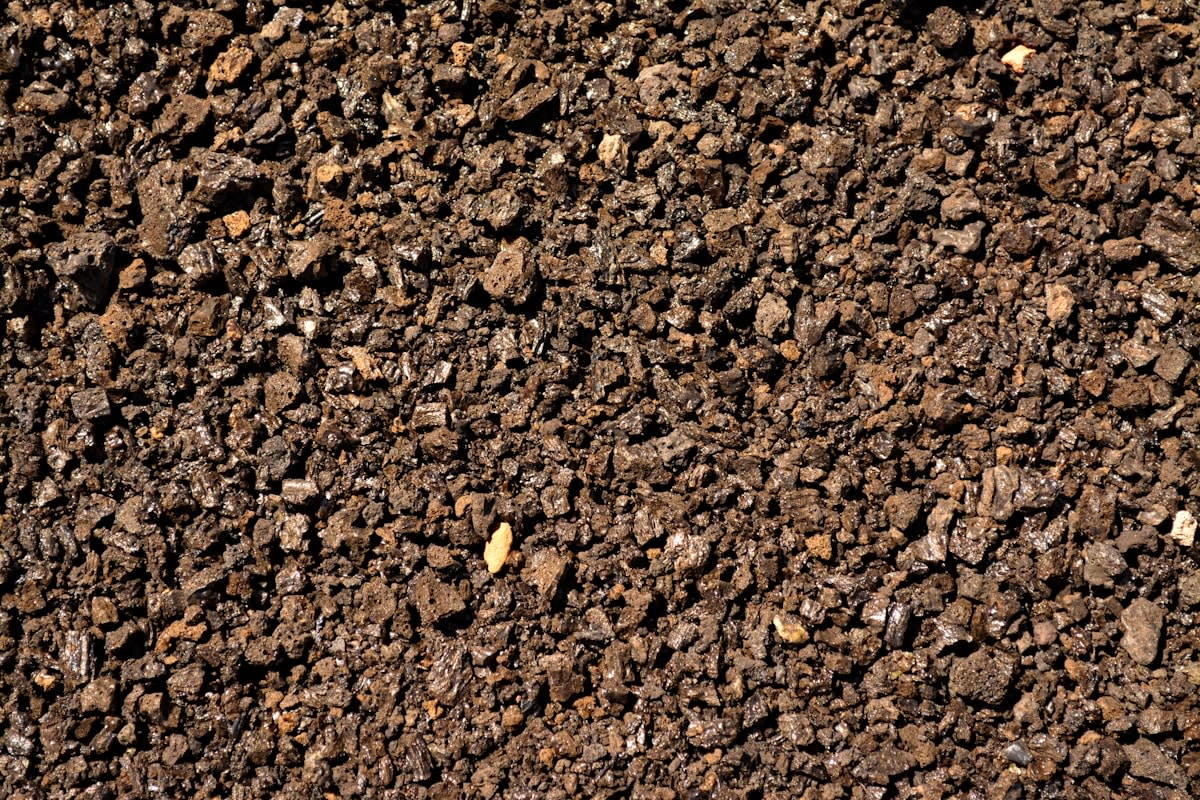
Simultaneously, reforestation is moving beyond simply planting trees. The Glandwr Forest Carbon Study demonstrates that nature-based interventions, specifically microbial enrichment and Enhanced Rock Weathering (ERW) using crushed basalt, can boost carbon capture by up to 27% within the first four years of woodland establishment.
The Bottom Line
The immediate ripple effect is a shift in investment. Capital is moving away from 'green' promises and toward verifiable, quantified metrics—whether that is clinker percentages or POC flux from high-standing islands.