
AI Executive Summary
"This article analyzes the global transition toward proactive, data-driven health optimization and its intersection with luxury wellness and AI-driven biotech. It highlights the strategic reallocation of health-tech capital and the critical role of precision in both longevity and crisis management."
The End of Reactive Medicine
The global health narrative is shifting in real-time. This week, the conversation moved from managing chronic illness to the aggressive pursuit of preventative precision. We are witnessing a divergence: while traditional healthcare investment fluctuates, a high-end, clinical approach to wellness is exploding in urban hubs.
Take the recent wake-up call of football legend Thierry Henry. On June 26, 2026, the former Arsenal striker revealed how a visit to Neko Health—a preventative clinic—prompted him to quit processed sugar. Henry's experience highlights a growing demand for non-invasive screenings that predict diabetic risk decades in advance, stripping away the medical jargon in favor of human-centric clarity.
"It’s not an email filled with all these technical terms, where you need a Latin degree to understand what they're saying, and you’re like, ‘hey, can I get a normal explanation that a human being can understand?’"— Thierry Henry

This appetite for data-driven longevity isn't limited to Europe. It has found a fertile breeding ground in Southeast Asia, where the line between luxury hospitality and medical science is blurring.
Bangkok: The New Biohacking Mecca
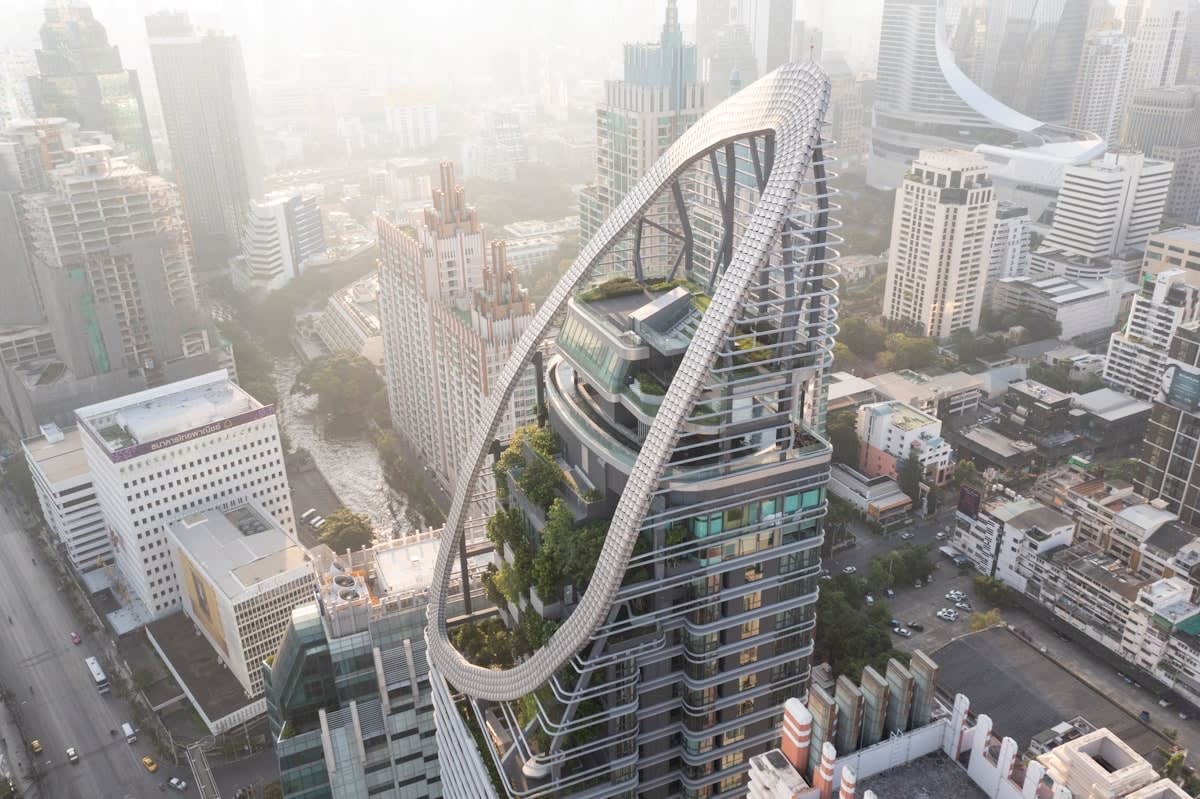
Bangkok is no longer just the global capital of traditional massage; it is rapidly becoming a hub for biohacking. On June 27, 2026, reports highlighted the rise of facilities like Bangkok LIFE at the St. Regis, where the atmosphere is clinical rather than spa-like. Here, licensed doctors and nurses oversee a regime of optimization that blends medical rigor with wellness luxury.
- Epigenetic testing to map gene expression
- Cryotherapy for systemic inflammation and recovery
- Personalized longevity plans tailored to individual biomarkers
- Integrated clinical oversight by licensed medical staff
While the luxury sector surges, the venture capital landscape for health-tech is experiencing a more turbulent transition, particularly in established innovation hubs.
The Investment Paradox
Israel provides a stark example of this volatility. A joint report released on June 28, 2026, by PwC Israel and the Israel Innovation Authority reveals that investment in local health-tech startups dove 40% in 2025. Private funding hit a five-year low, with the average deal size slipping below $10 million.
| Metric | 2025 Value/Change |
|---|---|
| Health-Tech Investment Change | -40% |
| Total Israeli Tech Investment | $15.6 Billion (+24%) |
| Life Sciences Private Investment | $1.6 Billion |
| Average Health-Tech Deal Size | < $10 Million |
Is this a sector in decline? Far from it. The data suggests a strategic reallocation. While traditional health-tech struggled, AI-driven drug development remains a fortress of resilience. Approximately 30 Israeli companies are now operating at the intersection of AI and pharmacology, with 70% receiving support from the Israel Innovation Authority.
Beyond the boardroom and the biohacking clinic, the world is still fighting urgent, traditional battles, proving that precision must also apply to crisis management.
Crisis Precision: The Congo Response
In the Democratic Republic of Congo, the struggle is more visceral. As of June 29, 2026, confirmed Ebola cases reached 1,274, with 360 deaths. However, the response reflects the same shift toward precision and speed seen in wellness: the US has already launched a targeted vaccine effort for the Bundibugyo strain as the outbreak spreads.
The Global Spectrum
The contrast is clear: while Bangkok optimizes the healthy and Israel pivots toward AI-driven cures, the Congo demonstrates the critical necessity of rapid-response vaccine deployment in the face of biological threats.