
AI Executive Summary
"This article analyzes the strategic shift from generalized to precision-based methodologies across biotechnology and agriculture. It highlights how automated genomic reanalysis and targeted UAV applications are reducing waste and improving clinical outcomes."
The Death of the Generalist
This week, the data is clear: the 'one size fits all' model is failing. From the laboratories of Germany to the wheat fields of Canada, we are witnessing a violent correction toward precision. We stopped asking if a treatment works and started asking exactly where, when, and for whom it works. The delta between last year's guesswork and this week's precision is staggering.
Look at the genomic breakthroughs hitting Nature on June 29, 2026. Researchers have unveiled a retargeted recombinase, specifically the large serine recombinase Bxb1, which allows for the precise insertion of large DNA payloads at desired loci. This is not a marginal improvement; it is a fundamental change in how we edit the biological blueprint.
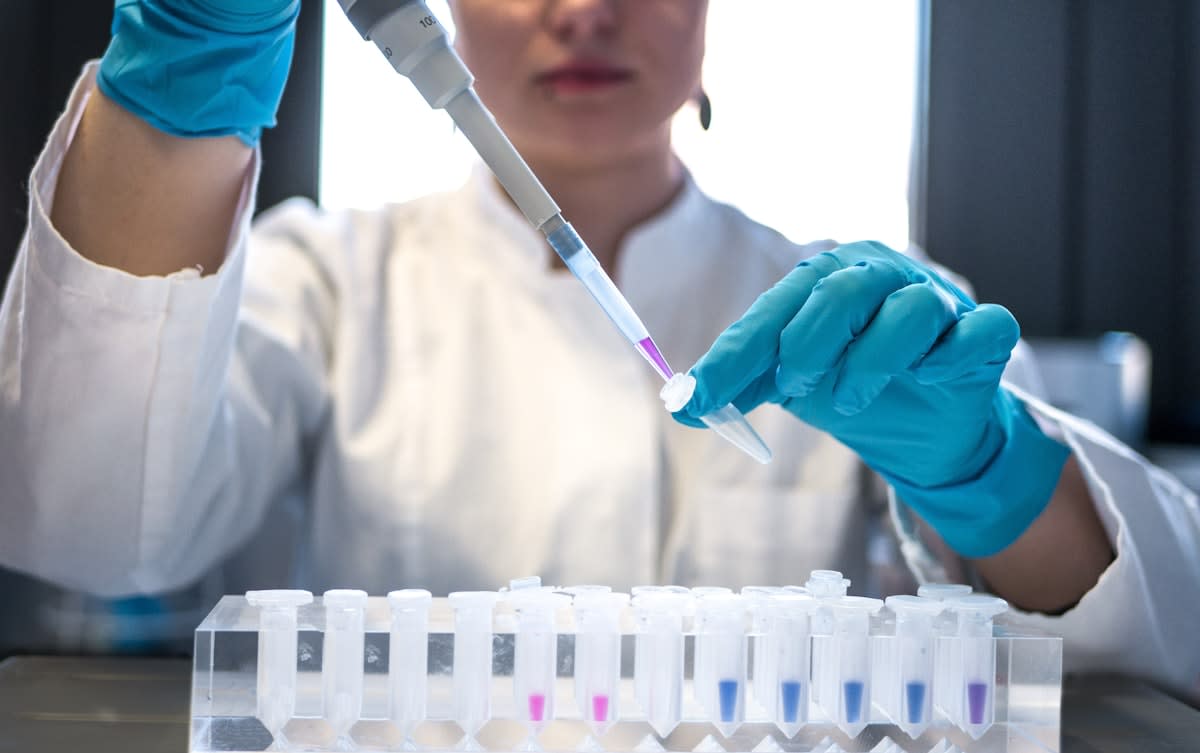
Simultaneously, the launch of Talos is solving a chronic bottleneck in rare disease diagnostics. By automating the reanalysis of genomic data, Talos is delivering a 10% overall diagnostic yield. Six months ago, this kind of reanalysis was a manual, costly luxury. Now, it is an open-source reality that can be delivered at scale.
The Diagnostic Delta
The 10% diagnostic yield from Talos means one in ten patients who previously had no answers are now getting a diagnosis through automated reanalysis.
The Danger of the 'More is Better' Myth
While the tech world chases 'more,' the medical data from June 28, 2026, warns that more can be lethal. We have long treated B vitamins as harmless supplements. However, new data suggests a dangerous imbalance. A study from Vietnam indicates that both low and excessively high B12 consumption increase cancer risk.
The numbers are jarring. Specifically, supplements of vitamin B6 and B12 correlate with a 30% to 40% increase in lung cancer risk among men, with the worst outcomes tied to higher doses and smoking. This destroys the narrative that supplements are a universal safety net.
"Researchers remain divided as to whether B12 causes or aids cancer growth, or if cancer somehow causes B12 levels to increase."— Jacksonville Journal-Courier Report
This tension between precision and generalization isn't just happening in a lab; it is playing out in clinics where patients are fighting for their lives.
Precision Beyond the Lab: Soil and Blood
The same drive for accuracy is transforming the Canadian Prairies. As of June 29, 2026, drones have moved from niche toys to central operational tools. Farmers are abandoning uniform spraying of fertilizers and pesticides in favor of drone-generated maps that target only the areas in need.

| Sector | Old 'Generalist' Method | New 'Precision' Method (June 2026) |
|---|---|---|
| Agriculture | Uniform chemical spraying | Drone-targeted precision spraying |
| Genomics | Manual data reanalysis | Automated reanalysis via Talos |
| Nutrition | Broad B-vitamin supplementation | Balanced, dose-specific intake |
| Gene Editing | Standard insertion | Retargeted Bxb1 recombinase |
But precision requires advocacy. When the system defaults to a generalist approach, people suffer. Michelle Williams spent months fighting a physician assistant who ignored her medical records and failed to investigate why her blood pressure was skyrocketing. It took an impassioned letter and a bone marrow biopsy to find the truth.
Contrast this with the resilience of the Rodgers family in Cleveland. Celebrating two years of being cancer-free for 7-year-old Lincoln, they are using their platform to fight blood shortages. Precision medicine is only as good as the blood supply and the diagnostic tenacity backing it up.