
AI Executive Summary
"This article analyzes the strategic shift in the battery industry from refining to raw material extraction as the primary constraint. It highlights how sovereign investments and alternative chemistries like sodium-ion and Faraday batteries are being deployed to ensure systemic resilience."
July 2026 marks a hard break in battery logistics. CATL now admits mining is the primary bottleneck, contradicting previous industry assumptions about refining. This admission signals a desperate move toward vertical integration.
"Processing is not the bottleneck, but mining is."— Jiang Li, Vice President of CATL
China maintains a stranglehold on refining battery minerals. Meanwhile, the Australian government injected 45 million dollars into Sicona Battery Technologies at Port Kembla. This investment targets silicon-based anodes to bypass offshore processing.
These sovereign investments contrast sharply with the current refining monopoly.
The Delta
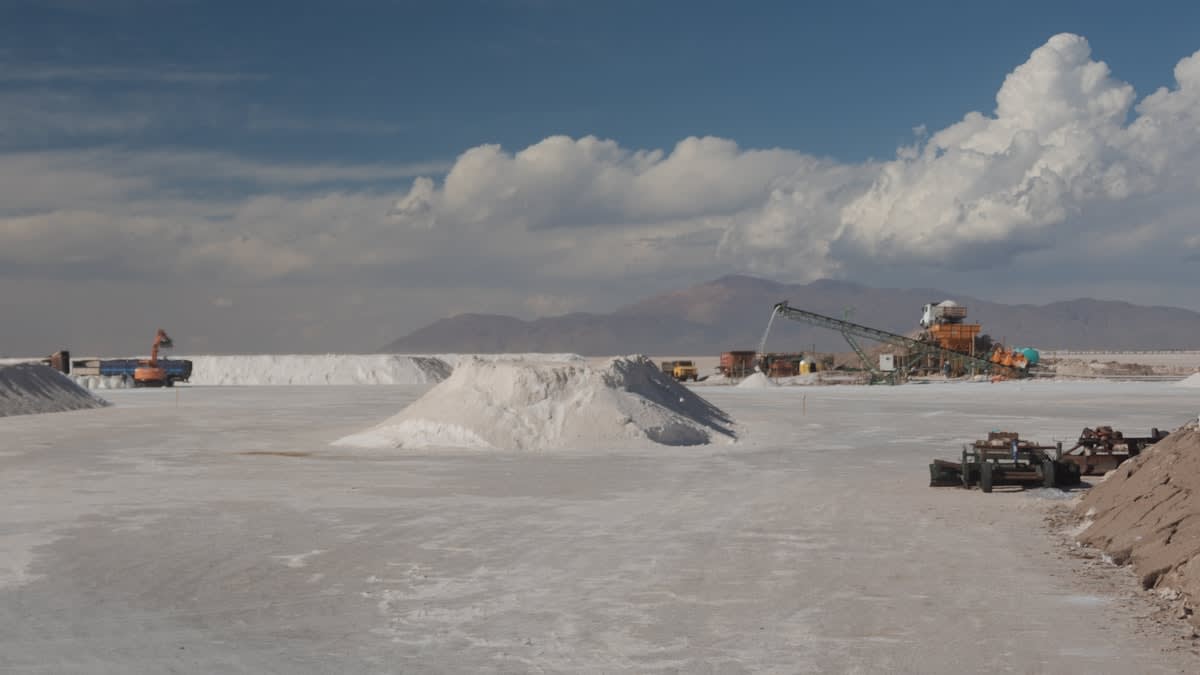
Six months ago, the industry narrative centered on refining capacity and midstream processing. Today, the focus has reverted to raw dirt and saline water extraction as the critical failure point.
Lithium prices now dictate chemistry. Sodium-ion batteries serve as the hedge when lithium costs spike. Zinc ion batteries are targeting grid infrastructure and data centers through 2035.
The market is now pricing in these alternative chemistries.
| Technology | Primary Use Case | Strategic Trigger |
|---|---|---|
| Sodium-Ion | EV Hedge | Lithium Price Spikes |
| Zinc-Ion | Grid/Data Centers | Utility-Scale Demand |
| Faraday Battery | AI Datacenters | Spiky Power Loads |
| Silicon Anode | High-Capacity EV | Sovereign Manufacturing |
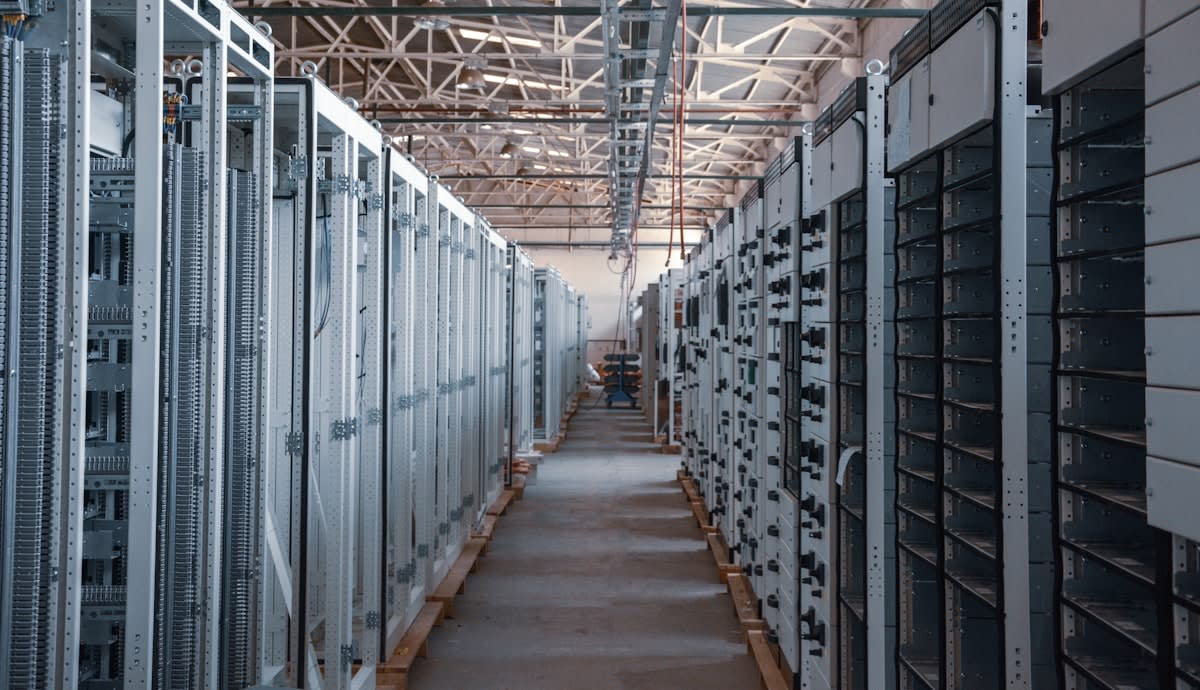
AI training creates spiky power loads. Superdielectrics' Faraday battery outperforms lithium-ion in these high-power, sub-zero environments. QinetiQ confirmed these results at the pouch cell level.
Chemistry changes are meaningless without a way to get the materials.
Extraction is moving to the molecular level. University of Chicago researchers are using lithium cobalt oxide to filter ions from saline water. Electrochemistry replaces traditional evaporation ponds.
Sicona Production Scaling Target
Executive Insight
+18.4%
YTD Growth
- Mining access replaces refining as the primary industry bottleneck
- AI data centers driving demand for non-lithium Faraday cells
- Sovereign capacity increases (e.g., Sicona 300x scale-up)
- Direct lithium extraction from saline water via electrochemistry
Production scales remain the final hurdle. Sicona aims to increase capacity by 300 times to make silicon anodes viable. Failure to scale these alternatives leaves the world dependent on a precarious mining chain.