AI Executive Summary
"This article provides a strategic blueprint for shifting Alzheimer's care from reactive treatment to proactive defense. It synthesizes emerging data on genetic stratification and metabolic health to offer a precision-medicine approach to cognitive longevity."
The New Architecture of Cognitive Defense
For decades, the medical community treated Alzheimer's as an inevitable decline, a biological clock that could not be slowed once the gears began to turn. That paradigm is shifting. We are entering an era of precision medicine where the goal is not to treat symptoms of dementia, but to engineer a brain that is fundamentally resistant to them. This requires a move away from broad-spectrum health advice toward targeted interventions based on an individual's genetic blueprint and metabolic profile. The focus has shifted toward neurovascular protection and the preservation of brain microstructure long before the first lapse in memory occurs.
The Precision Pivot
The shift from 'treatment' to 'defense' relies on identifying high-risk genotypes, such as APOE4/4, and deploying pharmacological and lifestyle interventions that maintain the brain's structural integrity.
Prerequisites for a Preventative Protocol
You cannot defend against a threat you have not mapped. A science-backed defense begins with a comprehensive biological baseline. Generic wellness routines are insufficient for those with a high genetic predisposition. To build a truly personalized defense, you need specific data points that dictate which interventions will actually move the needle on your cognitive longevity. This isn't about general health; it is about identifying the specific vulnerabilities of your neural architecture.
- Genomic Sequencing: Specifically identifying the APOE status (e.g., APOE4/4) to determine susceptibility to amyloid plaque accumulation.
- Metabolic Screening: Evaluating insulin sensitivity and systemic inflammation markers, as metabolic health directly correlates with neuro-inflammation.
- Neurovascular Baseline: Utilizing advanced imaging, such as volumetric MRI (vMRI) or diffusion tensor imaging (DTI), to assess brain microstructure.
- Access to Precision Pharmacotherapy: Identifying availability of emerging oral therapies that target neurovascular protection.
The Defense Protocol: A Four-Stage Implementation
- Genetic Stratification: Identifying the APOE4/4 risk profile to prioritize neurovascular protection.
- Metabolic Stabilization: Leveraging GLP-1 receptor agonists to reduce neuro-inflammation and metabolic risk.
- Structural Preservation: Implementing oral maintenance therapies to protect brain microstructure.
- Resilience Cultivation: Supporting the survival of immature neurons to maintain cognitive function despite damage.
The first stage of defense is Genetic Stratification. For individuals carrying the APOE4/4 genotype, the risk profile is significantly different from the general population. Research presented at the AAIC 2026 conference in London highlights the importance of this precision approach. Specifically, the development of oral therapies like valiltramiprosate is designed for these high-risk patients. By focusing on the APOE4/4 population, clinicians can move beyond one-size-fits-all treatments and target the specific biological mechanisms that drive disease progression in these individuals.
| Feature | Traditional Anti-Amyloid Antibodies | Valiltramiprosate (Oral Therapy) |
|---|---|---|
| Administration | Infusion | Oral |
| ARIA Risk (Bleed/Edema) | Higher Risk | Low Risk |
| Primary Goal | Plaque Clearance | Neurovascular Protection & Maintenance |
| Target Population | Broad AD Patients | APOE4/4 Precision Group |
Once the genetic risk is mapped, the second stage involves Metabolic Stabilization. The intersection of metabolic health and brain health is where some of the most promising preventative data currently resides. GLP-1 receptor agonist medications, originally designed for diabetes and weight loss, are being evaluated for their ability to slow Alzheimer's progression. Observational research from 2025 indicates that GLP-1 use is associated with a reduced risk of Alzheimer's and dementia compared to the use of dipeptidyl peptidase-4 (DPP-4) inhibitors. The mechanism here is likely the reduction of systemic inflammation, a known driver of neurodegeneration.
"Perhaps they can add new brain cells to a network that is degenerating."— Salta, Netherlands Institute for Neuroscience
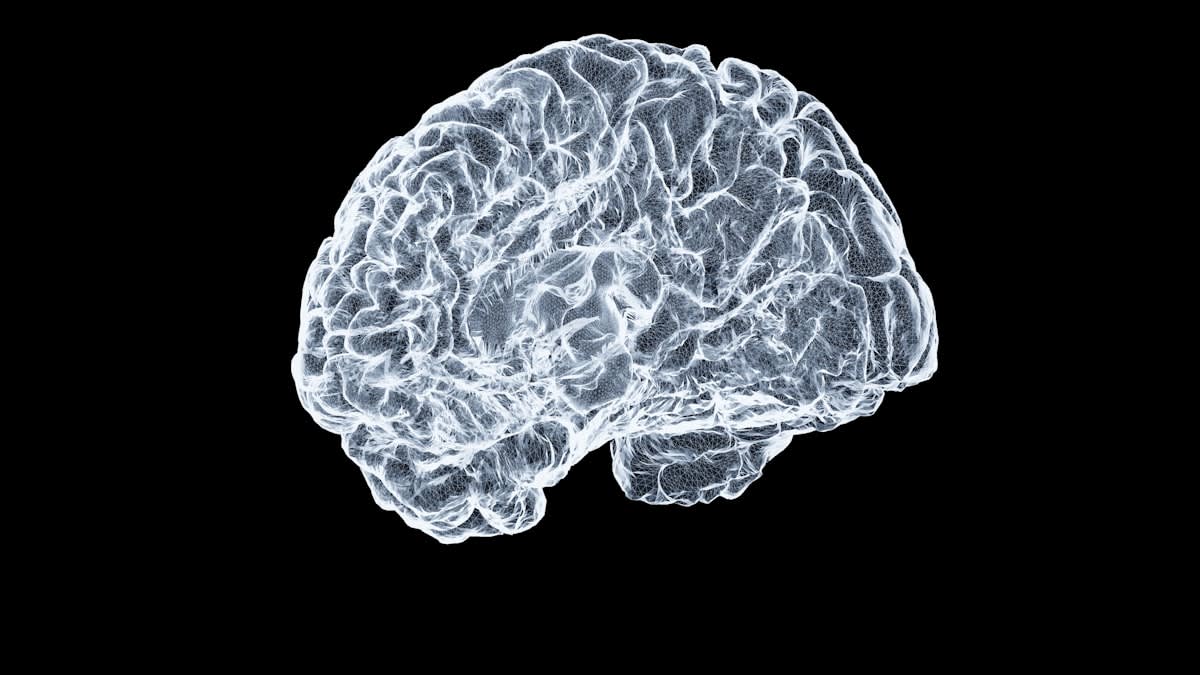
The third stage, Structural Preservation, focuses on the physical integrity of the brain's wiring. Data from Phase 3 APOLLOE4 and Phase 2 biomarker trials suggest that oral maintenance therapies can provide neurovascular protection and preserve brain microstructure. Using diffusion tensor imaging (DTI) and volumetric MRI (vMRI), researchers have found correlations between these structural preserves and better clinical outcomes. This suggests that the goal should be a 'foundational oral therapy' that maintains the brain's physical architecture, potentially serving as a maintenance phase after initial plaque clearance.

Finally, the protocol concludes with Resilience Cultivation. Not every brain with Alzheimer's pathology develops dementia. The Netherlands Institute for Neuroscience has discovered that some brains resist the disease by helping a rare group of immature neurons survive damage. These cells, located in the brain's memory center, can potentially integrate into degenerating networks, allowing the brain to continue functioning despite the presence of pathology. Understanding this natural resilience provides a blueprint for future therapies aimed at boosting the survival of these critical cells.
The Policy Friction: Evidence vs. Access
As these preventative tools emerge, a systemic conflict is arising between the push for expanded access and the requirement for scientific evidence. Recent efforts by political figures, such as RFK Jr., aim to force insurers to cover Alzheimer's testing to boost preventive care. However, this has sparked a debate within the medical community. Organizations like AcademyHealth have warned that reforming the preventive services task force in a way that is no longer evidence-based could lead to the coverage of tests that provide little value or potentially cause more harm than good.
The Diagnostic Dilemma
The tension lies in the balance between early detection and diagnostic accuracy. Testing without a clear, evidence-based clinical pathway for intervention can create psychological distress without providing medical benefit.
Common Pitfalls in Early Defense
- Relying on Non-Specific Diagnostics: Using tests that are not evidence-based or lack clinical correlation with the APOE4/4 genotype.
- Ignoring Metabolic Inflammation: Focusing solely on amyloid plaques while neglecting the systemic inflammation that GLP-1s are shown to mitigate.
- Overlooking Brain Microstructure: Assuming that plaque clearance is the only metric of success, while ignoring the neurovascular protection provided by maintenance therapies.
- Passive Monitoring: Waiting for the first sign of memory loss rather than implementing a structural defense based on genetic risk.
Building a defense against Alzheimer's is no longer a matter of hope, but a matter of strategic biological management. By integrating genomic stratification, metabolic optimization through agents like semaglutide, and structural preservation via oral therapies, we can move the needle from reaction to prevention. The evidence from the AAIC 2026 conference and the Netherlands Institute for Neuroscience proves that the brain possesses innate and inducible mechanisms of resilience. The challenge now is the precise application of these tools to the right patients at the right time.